
About This Book
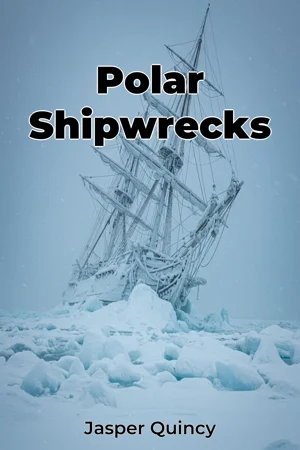
What secrets lie entombed beneath the ice of the Arctic and Antarctic, guarded by frigid waters and unforgiving landscapes? "Polar Shipwrecks" unveils the captivating stories of vessels lost in these extreme environments, exploring the confluence of human ambition, technological limitations, and the raw power of nature. This book examines the historical context, the intricate causes of these maritime disasters, and the ongoing efforts to locate and understand these time capsules of polar exploration and commerce. "Polar Shipwrecks" delves into three principal areas: the accounts of significant polar shipwrecks; the factors that contributed to their sinking, encompassing environmental challenges, navigational errors, and design flaws; and the modern endeavors to discover, document, and potentially preserve these submerged historical sites. These investigations are important because they offer crucial insights into the history of polar exploration, the perils faced by those who ventured into these regions, and the lessons learned in naval architecture, navigation, and survival. The book provides essential historical context by examining the eras of intense polar exploration and commercial activity, beginning with early expeditions aimed at discovering new trade routes in the Arctic and the later pursuit of scientific knowledge and resource exploitation in both polar regions. It highlights the technological limitations of ships during these periods and the evolving understanding of polar environments. Readers should ideally have a general interest in maritime history, polar exploration, or environmental studies to fully appreciate the book’s content. The central argument of "Polar Shipwrecks" is that each shipwreck serves as a microcosm of its time, reflecting the prevailing technologies, navigational practices, and societal attitudes toward risk and exploration. Further, the study of these wrecks enhances our comprehension of the environmental vulnerabilities in polar regions and the impact of climate change on their preservation. The book begins by introducing the geographical and historical context of polar shipwrecks. It then presents detailed accounts of several notable wrecks, such as those from early whaling expeditions, ill-fated attempts to find the Northwest Passage, and ships lost during Antarctic exploration. Each case study examines the events leading to the sinking, analyzes the conditions faced by the crew, and discusses any subsequent search or recovery efforts. These accounts lead to a broader discussion of the common causes of polar shipwrecks, including ice entrapment, navigational errors in poorly charted waters, and structural weaknesses exacerbated by extreme cold. The concluding chapters assess the ethical and practical challenges of locating and preserving shipwrecks in these remote and fragile environments, considering the impact of climate change and the potential for disturbing human remains and artifacts. The book relies on a variety of evidence, including archival documents, ships' logs, survivor accounts, and archaeological surveys. Unique data sources include sonar scans and remotely operated vehicle (ROV) footage of recently discovered wreck sites. "Polar Shipwrecks" connects to various fields, including maritime archaeology, climate science, and environmental ethics. It also has relevance to naval history and exploration studies, providing a multi-faceted view of the human relationship with polar environments. This book adopts a narrative non-fiction approach, blending historical research with compelling storytelling to engage a broad audience. The writing style is accessible yet authoritative, appealing to both casual readers and subject-matter experts. The target audience includes maritime history enthusiasts, polar explorers (armchair and otherwise), environmental scientists, and anyone interested in the intersection of human history and natural environments. The book will appeal to readers who enjoy stories of adventure, survival, and historical discovery. As a work of 'History World, Adventure, World History', “Polar Shipwrecks” adheres to the standards of historical accuracy and thorough research expected in these genres. It also incorporates elements of adventure and exploration, creating a compelling narrative that brings the history of polar shipwrecks to life. The book focuses primarily on shipwrecks in the Arctic and Antarctic regions and their immediate historical context. It does not delve into broader aspects of maritime history or naval strategy unless directly relevant to the specific wrecks. The information in "Polar Shipwrecks" has real-world applications for understanding the challenges of operating in extreme environments, informing current maritime safety practices, and developing strategies for preserving underwater cultural heritage in the face of climate change. While factual history is the core of the book, where appropriate it mentions debates, such as discussions surrounding the ethics of disturbing wreck sites, and preserving them versus leaving them undisturbed in their icy graves.
What secrets lie entombed beneath the ice of the Arctic and Antarctic, guarded by frigid waters and unforgiving landscapes? "Polar Shipwrecks" unveils the captivating stories of vessels lost in these extreme environments, exploring the confluence of human ambition, technological limitations, and the raw power of nature. This book examines the historical context, the intricate causes of these maritime disasters, and the ongoing efforts to locate and understand these time capsules of polar exploration and commerce. "Polar Shipwrecks" delves into three principal areas: the accounts of significant polar shipwrecks; the factors that contributed to their sinking, encompassing environmental challenges, navigational errors, and design flaws; and the modern endeavors to discover, document, and potentially preserve these submerged historical sites. These investigations are important because they offer crucial insights into the history of polar exploration, the perils faced by those who ventured into these regions, and the lessons learned in naval architecture, navigation, and survival. The book provides essential historical context by examining the eras of intense polar exploration and commercial activity, beginning with early expeditions aimed at discovering new trade routes in the Arctic and the later pursuit of scientific knowledge and resource exploitation in both polar regions. It highlights the technological limitations of ships during these periods and the evolving understanding of polar environments. Readers should ideally have a general interest in maritime history, polar exploration, or environmental studies to fully appreciate the book’s content. The central argument of "Polar Shipwrecks" is that each shipwreck serves as a microcosm of its time, reflecting the prevailing technologies, navigational practices, and societal attitudes toward risk and exploration. Further, the study of these wrecks enhances our comprehension of the environmental vulnerabilities in polar regions and the impact of climate change on their preservation. The book begins by introducing the geographical and historical context of polar shipwrecks. It then presents detailed accounts of several notable wrecks, such as those from early whaling expeditions, ill-fated attempts to find the Northwest Passage, and ships lost during Antarctic exploration. Each case study examines the events leading to the sinking, analyzes the conditions faced by the crew, and discusses any subsequent search or recovery efforts. These accounts lead to a broader discussion of the common causes of polar shipwrecks, including ice entrapment, navigational errors in poorly charted waters, and structural weaknesses exacerbated by extreme cold. The concluding chapters assess the ethical and practical challenges of locating and preserving shipwrecks in these remote and fragile environments, considering the impact of climate change and the potential for disturbing human remains and artifacts. The book relies on a variety of evidence, including archival documents, ships' logs, survivor accounts, and archaeological surveys. Unique data sources include sonar scans and remotely operated vehicle (ROV) footage of recently discovered wreck sites. "Polar Shipwrecks" connects to various fields, including maritime archaeology, climate science, and environmental ethics. It also has relevance to naval history and exploration studies, providing a multi-faceted view of the human relationship with polar environments. This book adopts a narrative non-fiction approach, blending historical research with compelling storytelling to engage a broad audience. The writing style is accessible yet authoritative, appealing to both casual readers and subject-matter experts. The target audience includes maritime history enthusiasts, polar explorers (armchair and otherwise), environmental scientists, and anyone interested in the intersection of human history and natural environments. The book will appeal to readers who enjoy stories of adventure, survival, and historical discovery. As a work of 'History World, Adventure, World History', “Polar Shipwrecks” adheres to the standards of historical accuracy and thorough research expected in these genres. It also incorporates elements of adventure and exploration, creating a compelling narrative that brings the history of polar shipwrecks to life. The book focuses primarily on shipwrecks in the Arctic and Antarctic regions and their immediate historical context. It does not delve into broader aspects of maritime history or naval strategy unless directly relevant to the specific wrecks. The information in "Polar Shipwrecks" has real-world applications for understanding the challenges of operating in extreme environments, informing current maritime safety practices, and developing strategies for preserving underwater cultural heritage in the face of climate change. While factual history is the core of the book, where appropriate it mentions debates, such as discussions surrounding the ethics of disturbing wreck sites, and preserving them versus leaving them undisturbed in their icy graves.
"Polar Shipwrecks" explores the gripping stories of vessels lost to the unforgiving Arctic and Antarctic, blending maritime history with tales of adventure and historical discovery. These maritime disasters, often resulting from environmental challenges and navigational errors, serve as time capsules, offering insights into past polar exploration and the limitations of early naval architecture. Readers will discover how each shipwreck reflects the technologies, practices, and attitudes of its time. The book progresses from introducing the historical context of polar exploration to detailing specific wrecks, such as those from early whaling expeditions and ill-fated Northwest Passage attempts. By examining archival documents, survivor accounts, and archaeological surveys, "Polar Shipwrecks" uncovers the causes of these sinkings, including ice entrapment and structural weaknesses. Furthermore, it highlights the ongoing efforts to locate and document these underwater cultural heritage sites, raising ethical questions about preservation in the face of climate change. Ultimately, this book provides a multi-faceted view of humanity's relationship with extreme environments, appealing to enthusiasts of maritime history, polar exploration, and environmental studies alike.
Book Details
ISBN
9788235249241
Publisher
Publifye AS
Your Licenses
You don't own any licenses for this book
Purchase a license below to unlock this book and download the EPUB.
Purchase License
Select a tier to unlock this book
Need bulk licensing?
Contact us for enterprise agreements.