
About This Book
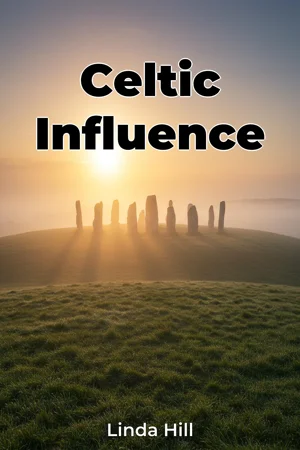
Were the ancient Celts merely barbarians at the edge of the Roman Empire, or did they leave a far more profound and lasting impression on the tapestry of European civilization? "Celtic Influence" delves into the multifaceted legacy of these tribes, revealing their significant impact on European language, culture, and historical development – an influence often underestimated and misunderstood. This book aims to explore and illuminate the depth and breadth of Celtic contributions, moving beyond simplistic portrayals to uncover their complex and enduring presence. We will primarily examine three core areas: the linguistic heritage of Celtic languages, the cultural impact evident in art, folklore, and societal structures, and the historical role played by Celtic tribes in shaping the political landscape of Europe. Understanding these areas is crucial because the Celtic influence permeates many aspects of modern European identity, from the languages spoken in Brittany and Wales to the enduring myths and legends that continue to inspire artists and writers. A basic understanding of European history and geography will be helpful for the reader. The central argument of "Celtic Influence" is that the various Celtic tribes, far from being a marginal historical footnote, played a pivotal role in the formation of European identity through their unique linguistic contributions, distinct cultural practices, and sustained interactions with other groups, including the Romans and Germanic peoples. This argument challenges traditional narratives that center solely on Roman or Germanic influences, offering a more balanced and nuanced understanding of European history. The book is structured to guide the reader through a comprehensive exploration of Celtic civilization. First, we introduce the origins and dispersal of the Celtic tribes across Europe, from their heartland in Central Europe to their settlements in the British Isles and beyond. Secondly, the core of the book uncovers the intricacies of Celtic language families, tracing their evolution and influence on other languages, including English and French. Further chapters examine Celtic social structures, religious beliefs, and artistic achievements, highlighting their unique characteristics and contributions. Next, the book analyzes the historical interactions between Celtic tribes and the Roman Empire, as well as their subsequent relationships with emerging Germanic kingdoms, to culminate in a discussion of the survival and revival of Celtic cultures in the modern era. Finally, we consider the lasting implications of Celtic heritage on contemporary European identity. This analysis relies on a range of evidence derived from archaeological findings, linguistic analysis of ancient texts, and comparative studies of cultural practices. Unique data sources include newly translated inscriptions and recently excavated archaeological sites that shed light on previously unknown aspects of Celtic life. "Celtic Influence" also connects to other fields such as archaeology, linguistics, and anthropology. By integrating these disciplines, the book provides a holistic understanding of Celtic civilization. It offers an innovative analytical approach, challenging existing historical paradigms with fresh interpretations of available evidence. The book adopts a fact-based, analytical tone, presenting information objectively and drawing conclusions based on evidence. It is aimed toward students, history buffs, and anyone interested in understanding the cultural roots of Europe. This book provides a valuable resource for those seeking a more comprehensive and nuanced understanding of Celtic civilization and its impact on the world. The scope of "Celtic Influence" encompasses the period from the early Iron Age to the present day, focusing primarily on the regions where Celtic languages and cultures have persisted. While the book strives for broad coverage, it acknowledges the limitations of available historical evidence, particularly for the earlier periods. The information presented in "Celtic Influence" can be applied practically to fields such as historical tourism, language preservation, and cultural studies. It also sheds light on contemporary debates surrounding national identity and cultural heritage in Europe. The book also addresses controversies surrounding the interpretation of archaeological and linguistic data related to the Celts.
Were the ancient Celts merely barbarians at the edge of the Roman Empire, or did they leave a far more profound and lasting impression on the tapestry of European civilization? "Celtic Influence" delves into the multifaceted legacy of these tribes, revealing their significant impact on European language, culture, and historical development – an influence often underestimated and misunderstood. This book aims to explore and illuminate the depth and breadth of Celtic contributions, moving beyond simplistic portrayals to uncover their complex and enduring presence. We will primarily examine three core areas: the linguistic heritage of Celtic languages, the cultural impact evident in art, folklore, and societal structures, and the historical role played by Celtic tribes in shaping the political landscape of Europe. Understanding these areas is crucial because the Celtic influence permeates many aspects of modern European identity, from the languages spoken in Brittany and Wales to the enduring myths and legends that continue to inspire artists and writers. A basic understanding of European history and geography will be helpful for the reader. The central argument of "Celtic Influence" is that the various Celtic tribes, far from being a marginal historical footnote, played a pivotal role in the formation of European identity through their unique linguistic contributions, distinct cultural practices, and sustained interactions with other groups, including the Romans and Germanic peoples. This argument challenges traditional narratives that center solely on Roman or Germanic influences, offering a more balanced and nuanced understanding of European history. The book is structured to guide the reader through a comprehensive exploration of Celtic civilization. First, we introduce the origins and dispersal of the Celtic tribes across Europe, from their heartland in Central Europe to their settlements in the British Isles and beyond. Secondly, the core of the book uncovers the intricacies of Celtic language families, tracing their evolution and influence on other languages, including English and French. Further chapters examine Celtic social structures, religious beliefs, and artistic achievements, highlighting their unique characteristics and contributions. Next, the book analyzes the historical interactions between Celtic tribes and the Roman Empire, as well as their subsequent relationships with emerging Germanic kingdoms, to culminate in a discussion of the survival and revival of Celtic cultures in the modern era. Finally, we consider the lasting implications of Celtic heritage on contemporary European identity. This analysis relies on a range of evidence derived from archaeological findings, linguistic analysis of ancient texts, and comparative studies of cultural practices. Unique data sources include newly translated inscriptions and recently excavated archaeological sites that shed light on previously unknown aspects of Celtic life. "Celtic Influence" also connects to other fields such as archaeology, linguistics, and anthropology. By integrating these disciplines, the book provides a holistic understanding of Celtic civilization. It offers an innovative analytical approach, challenging existing historical paradigms with fresh interpretations of available evidence. The book adopts a fact-based, analytical tone, presenting information objectively and drawing conclusions based on evidence. It is aimed toward students, history buffs, and anyone interested in understanding the cultural roots of Europe. This book provides a valuable resource for those seeking a more comprehensive and nuanced understanding of Celtic civilization and its impact on the world. The scope of "Celtic Influence" encompasses the period from the early Iron Age to the present day, focusing primarily on the regions where Celtic languages and cultures have persisted. While the book strives for broad coverage, it acknowledges the limitations of available historical evidence, particularly for the earlier periods. The information presented in "Celtic Influence" can be applied practically to fields such as historical tourism, language preservation, and cultural studies. It also sheds light on contemporary debates surrounding national identity and cultural heritage in Europe. The book also addresses controversies surrounding the interpretation of archaeological and linguistic data related to the Celts.
"Celtic Influence" explores the often-overlooked impact of Celtic tribes on European civilization, challenging traditional narratives that emphasize solely Roman or Germanic influences. The book delves into the linguistic heritage of Celtic languages, revealing how they've shaped modern languages like English and French. It also examines Celtic culture, from art and folklore to social structures and religious beliefs. The book is structured to guide readers through the origins and dispersal of Celtic tribes across Europe, examining their interactions with the Roman Empire and Germanic kingdoms. Discoveries from archaeology and linguistics provide new insights into Celtic life, offering a comprehensive understanding of Celtic civilization from the Iron Age to the present day. By integrating archaeology, linguistics, and anthropology, "Celtic Influence" offers a holistic view, valuable for students, history enthusiasts, and anyone interested in Europe's cultural roots.
Book Details
ISBN
9788235249166
Publisher
Publifye AS
Your Licenses
You don't own any licenses for this book
Purchase a license below to unlock this book and download the EPUB.
Purchase License
Select a tier to unlock this book
Need bulk licensing?
Contact us for enterprise agreements.