
About This Book
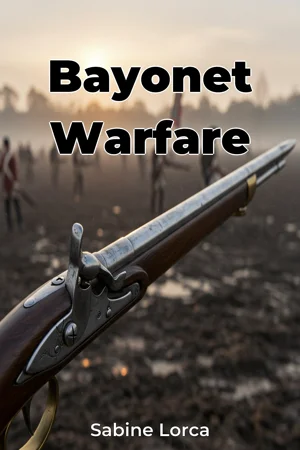
Can a simple blade attached to a firearm truly shape the course of military history? "Bayonet Warfare" examines the evolution, impact, and enduring legacy of the bayonet, a weapon that transformed close-quarters combat from the late 17th century to the modern era. This book will explore the bayonet's technical development, its influence on battlefield tactics, and its profound psychological effects on soldiers and warfare. This study is important because understanding the bayonet’s role provides insights into broader trends in military technology, strategy, and the human experience of war. By examining its rise and relative decline, we gain a deeper appreciation for the complex interaction between weaponry and the socio-political landscape of conflict. "Bayonet Warfare" provides a meticulous historical account, beginning with the weapon's inception alongside early muskets. It explores the shift from plug bayonets to socket bayonets, allowing soldiers to fire their weapons with the bayonet fixed. Tactical adaptations, such as the linear formations of the 18th century and the shock tactics of the Napoleonic era, are analyzed, showing how the bayonet shaped infantry combat. The book also addresses the weapon's evolving role during the industrialization of war in the 19th century, its continued significance in World War I despite technological advancements, and its eventual decline in favor of firearms. The central argument is that the bayonet, while seemingly antiquated in the age of modern weaponry, played a pivotal role in shaping military doctrines, soldier psychology, and the very nature of close-quarters combat for centuries. Its effectiveness transcended mere physical attributes, influencing morale and serving as a constant threat that profoundly shaped battlefield engagements. The book is structured chronologically and thematically. First, it introduces the bayonet's origins and early development. Second, major chapters detail the bayonet's impact during the 18th, 19th, and 20th centuries, focusing on specific conflicts and tactical innovations. Third, the argument culminates with an analysis of the bayonet's psychological influence and its transition to a ceremonial role, assessing its lasting impact on military culture. Evidence is drawn from primary sources, including military manuals, soldiers’ letters and diaries, and battlefield reports. Secondary sources encompass military histories, technical analyses of weaponry, and psychological studies of combat. The narrative synthesizes quantitative data on casualties and weapon effectiveness with qualitative insights into soldier experiences. "Bayonet Warfare" connects to other fields such as military psychology, technological history, and social studies of war. Military psychology informs the analysis of the bayonet's psychological effect on soldiers. Technological history provides context for the weapon's development and its relationship to other innovations. Social studies of war offer insights into how the bayonet shaped military culture and the experience of combat. This book offers a unique perspective by combining a detailed account of the bayonet’s technical and tactical evolution with an in-depth exploration of its psychological impact. It moves beyond a purely descriptive history to offer a nuanced analysis of the weapon’s place in the broader context of military history. The tone is academic yet accessible, balancing rigorous research with clear and engaging prose. The writing style is designed to appeal to military history enthusiasts, scholars, and anyone interested in the evolution of warfare. The target audience includes military history buffs, students of military science, historians, and anyone interested in the evolution of warfare. The book would be valuable to them by providing a comprehensive and insightful analysis of a weapon that played a significant, yet often overlooked, role in shaping military history. As a work of military history, "Bayonet Warfare" adheres to the genre's conventions by presenting a meticulously researched and fact-based account of its subject. It addresses the historical context, key figures, and relevant battles, while also providing analysis and interpretation. The book's scope is intentionally limited to the study of the bayonet and its impact on warfare, excluding other forms of close combat. The focus is primarily on Western military history, with some attention given to other regions where the bayonet played a significant role. The information can be applied practically to understand modern military strategies, the psychological aspects of combat, and the continuing relevance of close-quarters battle. It can also be used to inform discussions about weapon development and the ethical considerations of warfare. Finally, the book addresses ongoing debates about the relative importance of technology versus human factors in warfare, using the bayonet as a case study to explore this complex relationship.
Can a simple blade attached to a firearm truly shape the course of military history? "Bayonet Warfare" examines the evolution, impact, and enduring legacy of the bayonet, a weapon that transformed close-quarters combat from the late 17th century to the modern era. This book will explore the bayonet's technical development, its influence on battlefield tactics, and its profound psychological effects on soldiers and warfare. This study is important because understanding the bayonet’s role provides insights into broader trends in military technology, strategy, and the human experience of war. By examining its rise and relative decline, we gain a deeper appreciation for the complex interaction between weaponry and the socio-political landscape of conflict. "Bayonet Warfare" provides a meticulous historical account, beginning with the weapon's inception alongside early muskets. It explores the shift from plug bayonets to socket bayonets, allowing soldiers to fire their weapons with the bayonet fixed. Tactical adaptations, such as the linear formations of the 18th century and the shock tactics of the Napoleonic era, are analyzed, showing how the bayonet shaped infantry combat. The book also addresses the weapon's evolving role during the industrialization of war in the 19th century, its continued significance in World War I despite technological advancements, and its eventual decline in favor of firearms. The central argument is that the bayonet, while seemingly antiquated in the age of modern weaponry, played a pivotal role in shaping military doctrines, soldier psychology, and the very nature of close-quarters combat for centuries. Its effectiveness transcended mere physical attributes, influencing morale and serving as a constant threat that profoundly shaped battlefield engagements. The book is structured chronologically and thematically. First, it introduces the bayonet's origins and early development. Second, major chapters detail the bayonet's impact during the 18th, 19th, and 20th centuries, focusing on specific conflicts and tactical innovations. Third, the argument culminates with an analysis of the bayonet's psychological influence and its transition to a ceremonial role, assessing its lasting impact on military culture. Evidence is drawn from primary sources, including military manuals, soldiers’ letters and diaries, and battlefield reports. Secondary sources encompass military histories, technical analyses of weaponry, and psychological studies of combat. The narrative synthesizes quantitative data on casualties and weapon effectiveness with qualitative insights into soldier experiences. "Bayonet Warfare" connects to other fields such as military psychology, technological history, and social studies of war. Military psychology informs the analysis of the bayonet's psychological effect on soldiers. Technological history provides context for the weapon's development and its relationship to other innovations. Social studies of war offer insights into how the bayonet shaped military culture and the experience of combat. This book offers a unique perspective by combining a detailed account of the bayonet’s technical and tactical evolution with an in-depth exploration of its psychological impact. It moves beyond a purely descriptive history to offer a nuanced analysis of the weapon’s place in the broader context of military history. The tone is academic yet accessible, balancing rigorous research with clear and engaging prose. The writing style is designed to appeal to military history enthusiasts, scholars, and anyone interested in the evolution of warfare. The target audience includes military history buffs, students of military science, historians, and anyone interested in the evolution of warfare. The book would be valuable to them by providing a comprehensive and insightful analysis of a weapon that played a significant, yet often overlooked, role in shaping military history. As a work of military history, "Bayonet Warfare" adheres to the genre's conventions by presenting a meticulously researched and fact-based account of its subject. It addresses the historical context, key figures, and relevant battles, while also providing analysis and interpretation. The book's scope is intentionally limited to the study of the bayonet and its impact on warfare, excluding other forms of close combat. The focus is primarily on Western military history, with some attention given to other regions where the bayonet played a significant role. The information can be applied practically to understand modern military strategies, the psychological aspects of combat, and the continuing relevance of close-quarters battle. It can also be used to inform discussions about weapon development and the ethical considerations of warfare. Finally, the book addresses ongoing debates about the relative importance of technology versus human factors in warfare, using the bayonet as a case study to explore this complex relationship.
"Bayonet Warfare" delves into the surprisingly significant role of the bayonet in military history, examining its evolution from a simple blade to an instrument that profoundly influenced close-quarters combat. This historical account explores how the bayonet's development, including the transition to socket bayonets allowing soldiers to fire with the bayonet fixed, shaped battlefield tactics and soldier psychology. Despite its apparent simplicity, the bayonet served not only as a physical weapon but also as a psychological tool, impacting troop morale and influencing the dynamics of warfare for centuries. The book meticulously progresses chronologically and thematically, beginning with the bayonet's origins and tracing its impact through the 18th, 19th, and 20th centuries. By drawing on primary sources such as military manuals and soldiers' letters, the book offers insights into the weapon's influence during specific conflicts and tactical innovations. It argues that the bayonet's effectiveness extended beyond its physical attributes, shaping military doctrines and the nature of infantry combat, even amid the rise of more advanced military technology. This unique perspective combines technical analysis with an exploration of the bayonet's psychological impact, making it valuable for military history enthusiasts and scholars alike.
Book Details
ISBN
9788235249081
Publisher
Publifye AS
Your Licenses
You don't own any licenses for this book
Purchase a license below to unlock this book and download the EPUB.
Purchase License
Select a tier to unlock this book
Need bulk licensing?
Contact us for enterprise agreements.