
About This Book
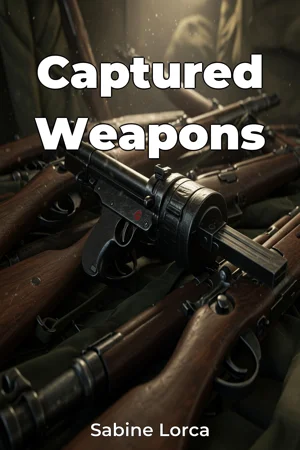
How often have military victories been won not just with superior forces, but with the clever adaptation of the enemy's own tools? "Captured Weapons" delves into the complex and often overlooked history of how military forces have seized, repurposed, and ultimately benefited from enemy weapons, equipment, and technology throughout recorded conflicts. This book explores not only the technical aspects of captured weaponry but also the strategic, logistical, and intelligence implications of such practices. The book examines three primary areas: identification and assessment, adaptation and implementation, and the long-term technological impact. The first involves how armies identify valuable enemy technology, assess its capabilities and vulnerabilities, and determine its potential for integration into their own forces. The second concerns the practical challenges of adapting foreign weapons, including reverse engineering, retraining personnel, and overcoming logistical hurdles related to ammunition and maintenance. The third analyzes the lasting influence of captured technology on military innovation, doctrine, and the overall balance of power. Historical context is crucial to understanding the significance of captured weapons. Throughout history, technological disparities have often dictated the outcome of battles and wars. The ability to quickly understand and utilize enemy technology has provided a significant advantage to the side that could master it, either by leveling the playing field or by gaining a technological edge. The book assumes a general understanding of military history but offers sufficient background information on specific conflicts and technologies to remain accessible to a wide audience. The central argument is that the effective capture and adaptation of enemy weapons has been a consistently underestimated but pivotal factor in military success. The book presents historical examples and case studies to show that this is often more than simply acquiring a new weapon, it is about gaining crucial intelligence, driving innovation, and ultimately reshaping the battlefield. "Captured Weapons" is structured to provide a comprehensive overview. The book begins with an introduction to the core concepts and a discussion of the motivations behind capturing and repurposing enemy technology. It then explores several key historical periods and conflicts, examining specific instances where captured weapons played a significant role. These case studies will include examples from ancient warfare, the Napoleonic Wars, both World Wars, and modern conflicts. The book culminates in an analysis of the long-term implications of captured weapons, including their influence on military doctrine, technological development, and international relations. Practical implications are explored, focusing on how modern military forces can improve their strategies for capturing, assessing, and utilizing enemy technology. The book draws upon a wide range of primary and secondary sources, including military archives, technical manuals, historical reports, and academic studies. It uses technical data, battlefield reports, and firsthand accounts to support its arguments. "Captured Weapons" connects to several other fields of study, including technology management, intelligence analysis, and international relations. Analyzing the capture and repurposing of weapons involves understanding the technology itself, the intelligence needed to assess its value, and the international context in which these activities occur. These interdisciplinary connections enrich the book's analysis and demonstrate the multifaceted nature of the topic. This book offers a unique perspective by focusing on the systemic and strategic implications of captured weapons, rather than simply cataloging individual weapons systems. It provides a comprehensive framework for understanding how captured technology can be a force multiplier on the battlefield. The tone is factual and analytical, avoiding sensationalism and focusing on presenting a balanced and well-researched account. The target audience includes military historians, defense professionals, technology enthusiasts, and anyone interested in the intersection of military strategy and technological innovation. The book provides valuable insights for those seeking to understand the dynamics of military competition and the importance of technological adaptation. This book adheres to the conventions of military history, including rigorous sourcing, clear presentation of evidence, and a focus on strategic and operational implications. The scope of "Captured Weapons" is intentionally broad, covering a wide range of historical periods and conflicts. However, it focuses primarily on the capture and adaptation of tangible weapons and equipment, rather than broader concepts such as intelligence gathering or psychological warfare. The information in "Captured Weapons" can be applied practically by military strategists, defense analysts, and policymakers seeking to improve their understanding of technological adaptation and military competition. It will allow a deeper comprehension of how military innovation occurs in practice. While the concept of capturing and utilizing enemy technology is generally accepted as a pragmatic military strategy, debates exist regarding the ethical implications of using such weapons, particularly if they are indiscriminate or violate international agreements. The book will acknowledge these debates and present a balanced perspective on the ethical considerations involved.
How often have military victories been won not just with superior forces, but with the clever adaptation of the enemy's own tools? "Captured Weapons" delves into the complex and often overlooked history of how military forces have seized, repurposed, and ultimately benefited from enemy weapons, equipment, and technology throughout recorded conflicts. This book explores not only the technical aspects of captured weaponry but also the strategic, logistical, and intelligence implications of such practices. The book examines three primary areas: identification and assessment, adaptation and implementation, and the long-term technological impact. The first involves how armies identify valuable enemy technology, assess its capabilities and vulnerabilities, and determine its potential for integration into their own forces. The second concerns the practical challenges of adapting foreign weapons, including reverse engineering, retraining personnel, and overcoming logistical hurdles related to ammunition and maintenance. The third analyzes the lasting influence of captured technology on military innovation, doctrine, and the overall balance of power. Historical context is crucial to understanding the significance of captured weapons. Throughout history, technological disparities have often dictated the outcome of battles and wars. The ability to quickly understand and utilize enemy technology has provided a significant advantage to the side that could master it, either by leveling the playing field or by gaining a technological edge. The book assumes a general understanding of military history but offers sufficient background information on specific conflicts and technologies to remain accessible to a wide audience. The central argument is that the effective capture and adaptation of enemy weapons has been a consistently underestimated but pivotal factor in military success. The book presents historical examples and case studies to show that this is often more than simply acquiring a new weapon, it is about gaining crucial intelligence, driving innovation, and ultimately reshaping the battlefield. "Captured Weapons" is structured to provide a comprehensive overview. The book begins with an introduction to the core concepts and a discussion of the motivations behind capturing and repurposing enemy technology. It then explores several key historical periods and conflicts, examining specific instances where captured weapons played a significant role. These case studies will include examples from ancient warfare, the Napoleonic Wars, both World Wars, and modern conflicts. The book culminates in an analysis of the long-term implications of captured weapons, including their influence on military doctrine, technological development, and international relations. Practical implications are explored, focusing on how modern military forces can improve their strategies for capturing, assessing, and utilizing enemy technology. The book draws upon a wide range of primary and secondary sources, including military archives, technical manuals, historical reports, and academic studies. It uses technical data, battlefield reports, and firsthand accounts to support its arguments. "Captured Weapons" connects to several other fields of study, including technology management, intelligence analysis, and international relations. Analyzing the capture and repurposing of weapons involves understanding the technology itself, the intelligence needed to assess its value, and the international context in which these activities occur. These interdisciplinary connections enrich the book's analysis and demonstrate the multifaceted nature of the topic. This book offers a unique perspective by focusing on the systemic and strategic implications of captured weapons, rather than simply cataloging individual weapons systems. It provides a comprehensive framework for understanding how captured technology can be a force multiplier on the battlefield. The tone is factual and analytical, avoiding sensationalism and focusing on presenting a balanced and well-researched account. The target audience includes military historians, defense professionals, technology enthusiasts, and anyone interested in the intersection of military strategy and technological innovation. The book provides valuable insights for those seeking to understand the dynamics of military competition and the importance of technological adaptation. This book adheres to the conventions of military history, including rigorous sourcing, clear presentation of evidence, and a focus on strategic and operational implications. The scope of "Captured Weapons" is intentionally broad, covering a wide range of historical periods and conflicts. However, it focuses primarily on the capture and adaptation of tangible weapons and equipment, rather than broader concepts such as intelligence gathering or psychological warfare. The information in "Captured Weapons" can be applied practically by military strategists, defense analysts, and policymakers seeking to improve their understanding of technological adaptation and military competition. It will allow a deeper comprehension of how military innovation occurs in practice. While the concept of capturing and utilizing enemy technology is generally accepted as a pragmatic military strategy, debates exist regarding the ethical implications of using such weapons, particularly if they are indiscriminate or violate international agreements. The book will acknowledge these debates and present a balanced perspective on the ethical considerations involved.
"Captured Weapons" explores the underappreciated role of weapon adaptation in military history, revealing how seizing and repurposing enemy technology has consistently shaped the outcomes of conflicts. This book examines the strategic and logistical aspects of weapon adaptation, highlighting how armies identify, assess, and implement captured technology into their own forces. Understanding enemy weapons can provide a crucial technological edge, as seen throughout history where disparities in technology often dictated battle outcomes. The book's approach is comprehensive, progressing from the initial capture and assessment of enemy technology to the long-term impact on military innovation and doctrine. It dives into the practical challenges of reverse engineering and retraining personnel, using historical examples like the Napoleonic Wars and World Wars to illustrate the significant role captured weapons have played. By analyzing these instances, "Captured Weapons" emphasizes that gaining crucial intelligence from these captures drives innovation and reshapes the battlefield. Structured to provide a broad overview, the book begins with core concepts before delving into key historical periods to examine specific instances of weapon adaptation. Ultimately, the book’s value lies in its unique perspective, focusing on the systemic implications of captured weapons rather than simply cataloging individual systems, and offering practical implications for modern military forces.
Book Details
ISBN
9788235248534
Publisher
Publifye AS
Your Licenses
You don't own any licenses for this book
Purchase a license below to unlock this book and download the EPUB.
Purchase License
Select a tier to unlock this book
Need bulk licensing?
Contact us for enterprise agreements.