
About This Book
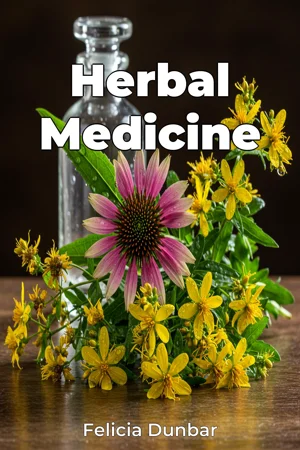
Can herbs unlock a pathway to enhanced well-being and resilience? This book, "Herbal Medicine," delves into the multifaceted world of botanical remedies, exploring their significance in both historical healing practices and contemporary medical applications. We examine how herbs can support the body's innate healing capabilities, bolster the immune system, and contribute to overall wellness. This exploration necessitates an understanding of traditional knowledge systems, alongside modern scientific research. The book's central argument posits that herbal medicine, when approached with informed understanding and respect for its complexities, can serve as a valuable component of an integrative healthcare strategy. The book is structured to provide a comprehensive overview of herbal medicine. It begins by introducing fundamental concepts, defining key terms, and establishing a historical context, tracing the use of herbs across various cultures and time periods. We outline the chemical constituents of herbs, explaining how these compounds interact with the human body. The core of the book then develops these ideas, focusing on specific categories of herbs and their applications. Individual chapters are dedicated to: a) Herbs for Immune Support: Detailing herbs with antiviral, antibacterial, and anti-inflammatory properties. We explore their mechanisms of action and examine evidence-based applications for common ailments. b) Herbs for Stress Management and Mental Wellness: Addressing the increasing prevalence of stress-related disorders, this section investigates adaptogenic herbs and their neuroprotective effects. We explore how these herbs can modulate the stress response and promote emotional equilibrium. c) Herbs for Digestive Health: Analyzing herbs that promote healthy digestion, alleviate gastrointestinal discomfort, and support the gut microbiome. We detail their specific actions and provide guidance on their safe and effective use. The culmination of the book presents a framework for integrating herbal medicine into modern healthcare practices, emphasizing the importance of individualized approaches, safety considerations, and collaboration between healthcare professionals and patients. Practical applications are highlighted through case studies and detailed guides on preparing herbal remedies, such as teas, tinctures, and salves. To support these arguments, the book draws upon a wide range of evidence, including peer-reviewed scientific studies, clinical trials, and traditional medical texts. We critically evaluate the available research, acknowledging both the strengths and limitations of the evidence base. Specifically, we will reference ethnobotanical surveys, pharmacological studies, and meta-analyses relating to the efficacy and safety of herbal interventions. "Herbal Medicine" connects to several interdisciplinary fields, including: a) Pharmacology: Examining the biochemical interactions of herbal compounds with the body's physiological systems. b) Nutrition: Exploring the synergistic relationship between herbal medicine and dietary choices in promoting health and preventing disease. c) Public Health: Investigating the potential role of herbal medicine in addressing global health challenges, such as infectious diseases and chronic conditions. This book distinguishes itself by providing a balanced perspective, integrating both traditional wisdom and scientific rigor. It's not solely a catalog of herbs and their uses, but also a critical analysis of their effectiveness and safety, recognizing the importance of proper identification, dosage, and potential interactions with conventional medications. The tone of the book is informative and accessible, striving to make complex scientific concepts understandable to a broad audience. While grounded in scientific evidence, the writing style is engaging and avoids excessive jargon. The target audience includes healthcare professionals seeking to expand their knowledge of integrative medicine, students in related fields, and individuals interested in exploring natural approaches to health and wellness. This book provides practical guidance on the responsible use of herbal remedies, empowering readers to make informed decisions about their health. As a non-fiction health and medical book, "Herbal Medicine" adheres to standards of accuracy, objectivity, and evidence-based recommendations. We acknowledge that the field of herbal medicine is continually evolving, and we strive to provide the most up-to-date information available while acknowledging areas of uncertainty or ongoing debate. The scope of the book is limited to commonly used and well-researched herbs. It does not cover every single plant with purported medicinal properties but focuses on those with demonstrated efficacy and safety. The information contained within this book can be applied to manage mild health conditions, support overall wellness, and complement conventional medical treatments. However, it is not intended to replace professional medical advice. The book addresses ongoing debates surrounding the regulation and quality control of herbal products, highlighting the importance of sourcing herbs from reputable suppliers and seeking guidance from qualified healthcare professionals.
Can herbs unlock a pathway to enhanced well-being and resilience? This book, "Herbal Medicine," delves into the multifaceted world of botanical remedies, exploring their significance in both historical healing practices and contemporary medical applications. We examine how herbs can support the body's innate healing capabilities, bolster the immune system, and contribute to overall wellness. This exploration necessitates an understanding of traditional knowledge systems, alongside modern scientific research. The book's central argument posits that herbal medicine, when approached with informed understanding and respect for its complexities, can serve as a valuable component of an integrative healthcare strategy. The book is structured to provide a comprehensive overview of herbal medicine. It begins by introducing fundamental concepts, defining key terms, and establishing a historical context, tracing the use of herbs across various cultures and time periods. We outline the chemical constituents of herbs, explaining how these compounds interact with the human body. The core of the book then develops these ideas, focusing on specific categories of herbs and their applications. Individual chapters are dedicated to: a) Herbs for Immune Support: Detailing herbs with antiviral, antibacterial, and anti-inflammatory properties. We explore their mechanisms of action and examine evidence-based applications for common ailments. b) Herbs for Stress Management and Mental Wellness: Addressing the increasing prevalence of stress-related disorders, this section investigates adaptogenic herbs and their neuroprotective effects. We explore how these herbs can modulate the stress response and promote emotional equilibrium. c) Herbs for Digestive Health: Analyzing herbs that promote healthy digestion, alleviate gastrointestinal discomfort, and support the gut microbiome. We detail their specific actions and provide guidance on their safe and effective use. The culmination of the book presents a framework for integrating herbal medicine into modern healthcare practices, emphasizing the importance of individualized approaches, safety considerations, and collaboration between healthcare professionals and patients. Practical applications are highlighted through case studies and detailed guides on preparing herbal remedies, such as teas, tinctures, and salves. To support these arguments, the book draws upon a wide range of evidence, including peer-reviewed scientific studies, clinical trials, and traditional medical texts. We critically evaluate the available research, acknowledging both the strengths and limitations of the evidence base. Specifically, we will reference ethnobotanical surveys, pharmacological studies, and meta-analyses relating to the efficacy and safety of herbal interventions. "Herbal Medicine" connects to several interdisciplinary fields, including: a) Pharmacology: Examining the biochemical interactions of herbal compounds with the body's physiological systems. b) Nutrition: Exploring the synergistic relationship between herbal medicine and dietary choices in promoting health and preventing disease. c) Public Health: Investigating the potential role of herbal medicine in addressing global health challenges, such as infectious diseases and chronic conditions. This book distinguishes itself by providing a balanced perspective, integrating both traditional wisdom and scientific rigor. It's not solely a catalog of herbs and their uses, but also a critical analysis of their effectiveness and safety, recognizing the importance of proper identification, dosage, and potential interactions with conventional medications. The tone of the book is informative and accessible, striving to make complex scientific concepts understandable to a broad audience. While grounded in scientific evidence, the writing style is engaging and avoids excessive jargon. The target audience includes healthcare professionals seeking to expand their knowledge of integrative medicine, students in related fields, and individuals interested in exploring natural approaches to health and wellness. This book provides practical guidance on the responsible use of herbal remedies, empowering readers to make informed decisions about their health. As a non-fiction health and medical book, "Herbal Medicine" adheres to standards of accuracy, objectivity, and evidence-based recommendations. We acknowledge that the field of herbal medicine is continually evolving, and we strive to provide the most up-to-date information available while acknowledging areas of uncertainty or ongoing debate. The scope of the book is limited to commonly used and well-researched herbs. It does not cover every single plant with purported medicinal properties but focuses on those with demonstrated efficacy and safety. The information contained within this book can be applied to manage mild health conditions, support overall wellness, and complement conventional medical treatments. However, it is not intended to replace professional medical advice. The book addresses ongoing debates surrounding the regulation and quality control of herbal products, highlighting the importance of sourcing herbs from reputable suppliers and seeking guidance from qualified healthcare professionals.
"Herbal Medicine" explores the world of botanical remedies, highlighting their historical significance and modern applications in integrative healthcare. It emphasizes how herbs can support the body's natural healing processes, offering potential benefits for immune support, stress management, and digestive health. Readers may be intrigued to learn that certain herbs possess antiviral and antibacterial properties, while others act as adaptogens, helping the body modulate its response to stress. The book provides a comprehensive overview, starting with fundamental concepts and historical context before delving into specific categories of herbs and their applications. It examines the chemical constituents of herbs and their interactions within the body. Individual chapters focus on herbs for immune support, stress management, and digestive health, providing evidence-based applications and guidance on safe and effective use. What makes this book unique is its balanced approach, integrating traditional wisdom with scientific rigor. It's not just a catalog of herbs; it critically analyzes their effectiveness and safety. The book progresses by first laying a foundation of knowledge and vocabulary, then building upon that foundation with specific applications and integrating it all into modern healthcare practices.
Book Details
ISBN
9788235248459
Publisher
Publifye AS
Your Licenses
You don't own any licenses for this book
Purchase a license below to unlock this book and download the EPUB.
Purchase License
Select a tier to unlock this book
Need bulk licensing?
Contact us for enterprise agreements.