
About This Book
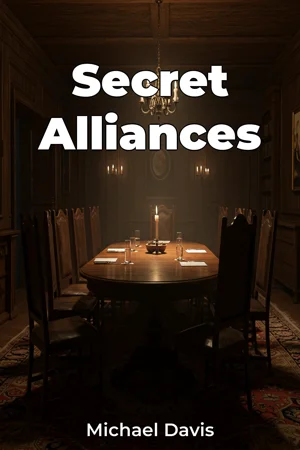
How often have seemingly inexplicable shifts in global power dynamics stemmed from agreements forged in the shadows? "Secret Alliances" delves into the clandestine political and military pacts that have shaped the course of history, influencing wars, diplomatic strategies, and the rise and fall of nations. This book examines not just the existence of these alliances, but their profound and often unforeseen consequences. The core themes explored are the anatomy of secret alliances, their impact on global conflicts, and their role in the evolution of international relations. Understanding these hidden networks is critical because they reveal the true motivations behind historical events, expose the vulnerabilities of nations, and provide insights into the complex web of power that underpins world politics. We begin by providing a historical context, tracing the origins of secret alliances from ancient times to the modern era and establishing the societal conditions that encouraged their creation. No prior knowledge of specific historical events is required; we will supply all the necessary information. Our central argument is that secret alliances, while often intended to provide strategic advantage, frequently lead to unintended consequences, destabilizing the global order and fostering an environment of mistrust and conflict. This argument is essential for understanding why global politics is often unpredictable and fraught with peril. The book's structure unfolds in three major parts. First, we will introduce the concept of secret alliances, classifying them by type (military, political, economic) and exploring the motivations behind their formation. Second, we will examine several case studies – from the alliances preceding World War I to Cold War-era pacts – analyzing their immediate impact and long-term repercussions. This section will also explore how these alliances affected smaller nations caught in the crossfire. Third, we will discuss the legacy of secret alliances in contemporary international relations, focusing on the challenges they pose to transparency, accountability, and global stability. The evidence presented will include primary source documents, such as treaties and diplomatic correspondence, as well as secondary analyses from leading historians and political scientists. Our research draws on a wide range of international archives and declassified material, providing a comprehensive and meticulously documented account. "Secret Alliances" connects to several other fields, including international law, conflict resolution, and intelligence studies. By considering the legal frameworks surrounding alliances, exploring strategies for mitigating their negative effects, and examining the role of intelligence in uncovering them, we provide a more complete understanding of their significance. The book's unique perspective lies in its focus on the unintended consequences of secret alliances. Rather than simply recounting their history, we analyze their systemic effects on global stability, offering a nuanced and critical assessment of their role in shaping the modern world. The tone is academic yet accessible. While grounded in rigorous research, the writing style is clear, concise, and engaging, making the complex dynamics of international relations understandable to a broad audience. "Secret Alliances" is intended for students of history, political science, and international relations, as well as anyone interested in understanding the hidden forces that shape global events. It offers a valuable perspective on the complexities of power, the dangers of secrecy, and the importance of transparency in international affairs. This book aligns with the conventions of non-fiction history and political science, providing a balanced, objective, and thoroughly researched account. The scope of the book is global, covering examples from various regions and historical periods. However, it is limited to alliances that were intentionally kept secret, excluding publicly acknowledged treaties and agreements. The information in this book can be applied to contemporary challenges, such as understanding the dynamics of proxy wars, assessing the risks of cyber warfare, and promoting greater transparency in international negotiations. Finally, we will address ongoing debates about the role of secret alliances in perpetuating conflict and undermining international law, offering a balanced assessment of their potential benefits and drawbacks.
How often have seemingly inexplicable shifts in global power dynamics stemmed from agreements forged in the shadows? "Secret Alliances" delves into the clandestine political and military pacts that have shaped the course of history, influencing wars, diplomatic strategies, and the rise and fall of nations. This book examines not just the existence of these alliances, but their profound and often unforeseen consequences. The core themes explored are the anatomy of secret alliances, their impact on global conflicts, and their role in the evolution of international relations. Understanding these hidden networks is critical because they reveal the true motivations behind historical events, expose the vulnerabilities of nations, and provide insights into the complex web of power that underpins world politics. We begin by providing a historical context, tracing the origins of secret alliances from ancient times to the modern era and establishing the societal conditions that encouraged their creation. No prior knowledge of specific historical events is required; we will supply all the necessary information. Our central argument is that secret alliances, while often intended to provide strategic advantage, frequently lead to unintended consequences, destabilizing the global order and fostering an environment of mistrust and conflict. This argument is essential for understanding why global politics is often unpredictable and fraught with peril. The book's structure unfolds in three major parts. First, we will introduce the concept of secret alliances, classifying them by type (military, political, economic) and exploring the motivations behind their formation. Second, we will examine several case studies – from the alliances preceding World War I to Cold War-era pacts – analyzing their immediate impact and long-term repercussions. This section will also explore how these alliances affected smaller nations caught in the crossfire. Third, we will discuss the legacy of secret alliances in contemporary international relations, focusing on the challenges they pose to transparency, accountability, and global stability. The evidence presented will include primary source documents, such as treaties and diplomatic correspondence, as well as secondary analyses from leading historians and political scientists. Our research draws on a wide range of international archives and declassified material, providing a comprehensive and meticulously documented account. "Secret Alliances" connects to several other fields, including international law, conflict resolution, and intelligence studies. By considering the legal frameworks surrounding alliances, exploring strategies for mitigating their negative effects, and examining the role of intelligence in uncovering them, we provide a more complete understanding of their significance. The book's unique perspective lies in its focus on the unintended consequences of secret alliances. Rather than simply recounting their history, we analyze their systemic effects on global stability, offering a nuanced and critical assessment of their role in shaping the modern world. The tone is academic yet accessible. While grounded in rigorous research, the writing style is clear, concise, and engaging, making the complex dynamics of international relations understandable to a broad audience. "Secret Alliances" is intended for students of history, political science, and international relations, as well as anyone interested in understanding the hidden forces that shape global events. It offers a valuable perspective on the complexities of power, the dangers of secrecy, and the importance of transparency in international affairs. This book aligns with the conventions of non-fiction history and political science, providing a balanced, objective, and thoroughly researched account. The scope of the book is global, covering examples from various regions and historical periods. However, it is limited to alliances that were intentionally kept secret, excluding publicly acknowledged treaties and agreements. The information in this book can be applied to contemporary challenges, such as understanding the dynamics of proxy wars, assessing the risks of cyber warfare, and promoting greater transparency in international negotiations. Finally, we will address ongoing debates about the role of secret alliances in perpetuating conflict and undermining international law, offering a balanced assessment of their potential benefits and drawbacks.
"Secret Alliances" explores the hidden political and military agreements that have significantly influenced global power dynamics and historical events. The book reveals how these covert alliances, often intended to create strategic advantages, have instead led to unforeseen consequences and destabilized the global order. One intriguing fact is that many alliances formed in secrecy to ensure security have paradoxically fostered an environment of mistrust, ultimately increasing the likelihood of conflict. The book begins by tracing the origins of secret alliances from ancient times to the modern era, classifying them by type and exploring the motivations behind their formation. It then examines several case studies, such as those preceding World War I and Cold War-era pacts, to analyze their immediate impacts and long-term repercussions. Readers will gain a deeper understanding of how these alliances have affected smaller nations and the complexities of international relations, offering a unique perspective on the dangers of secrecy in shaping the modern world. The book also discusses the legacy of secret alliances in contemporary international relations, addressing challenges to transparency, accountability, and global stability. By drawing on primary source documents and secondary analyses, it provides a comprehensive account of these covert pacts and their role in perpetuating conflict. This approach connects to international law and conflict resolution, offering a balanced assessment of the potential benefits and drawbacks of these hidden agreements.
Book Details
ISBN
9788235248312
Publisher
Publifye AS
Your Licenses
You don't own any licenses for this book
Purchase a license below to unlock this book and download the EPUB.
Purchase License
Select a tier to unlock this book
Need bulk licensing?
Contact us for enterprise agreements.