
About This Book
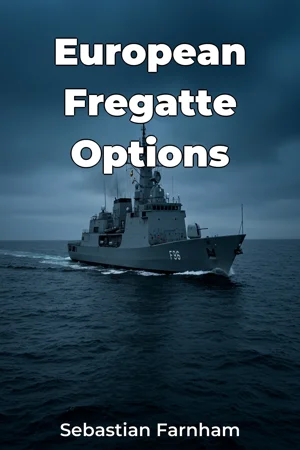
In an era defined by evolving maritime threats and geopolitical uncertainty, how can a nation like Norway, with its extensive coastline and strategic Arctic interests, best secure its naval future? "European Fregatte Options" delves into this critical question by rigorously comparing three leading European frigate designs – the British Type 26, the German F127, and the French FDI – evaluating their suitability for meeting Norway's specific defense needs. This book aims to provide a comprehensive and unbiased assessment, moving beyond nationalistic biases to offer a clear understanding of each platform's capabilities and limitations within the context of Norwegian operational requirements. Two key topics drive the book's analysis: first, the technical specifications and operational capabilities of each frigate design, including their sensor suites, weapon systems, and endurance. Second, the strategic alignment of each platform with Norway's defense policy, focusing on its ability to contribute to both national defense and international collaborations within NATO. These topics are crucial because the selection of a new frigate is not merely a procurement decision; it represents a long-term investment in national security with wide-ranging implications for defense strategy and international relations. The book will offer a brief overview of the historical context of modern frigate design, tracing the evolution of these warships from Cold War anti-submarine platforms to the multi-mission assets of today. It will also explore the changing nature of maritime threats, including the rise of submarine warfare, the proliferation of anti-ship missiles, and the growing importance of cyber warfare, providing a backdrop against which to evaluate the capabilities of the three frigate designs. The central argument of "European Fregatte Options" is that the optimal frigate choice for Norway must be based on a holistic assessment that considers not only technical specifications but also strategic fit, industrial cooperation opportunities, and long-term cost-effectiveness. This argument is significant because it challenges the often-simplistic approach to defense procurement that focuses solely on headline capabilities or political considerations. The book unfolds in three distinct parts. Part 1 introduces the Type 26, F127, and FDI frigates, detailing their design philosophies, key performance characteristics, and development histories. Part 2 then shifts to an analysis of Norway's specific operational requirements, including its geographical challenges, threat environment, and defense policy objectives. This section includes detailed examples of potential operational scenarios and highlights the capabilities most relevant to Norway's security needs. Part 3 provides a comparative assessment of the three frigates against these requirements, analyzing their strengths and weaknesses in areas such as anti-submarine warfare (ASW), anti-surface warfare (ASuW), air defense, and command and control. The book concludes by outlining the key considerations for Norway’s decision-makers, presenting a balanced perspective on each option. The analysis presented in the book will be supported by a range of evidence, including open-source intelligence, technical specifications from manufacturers, reports from defense analysts, and academic studies on naval warfare. The book also draws upon comparative analysis of similar frigate procurement programs in other countries, offering insights into the potential pitfalls and best practices of such projects. This book connects to several fields, including political science through its discussion of defense policy and international relations, economics through its analysis of procurement costs and industrial benefits, and engineering through its examination of the technical capabilities of each frigate. These interdisciplinary connections enrich the analysis by providing a more comprehensive understanding of the factors influencing frigate selection. "European Fregatte Options" adopts a neutral and analytical tone, presenting information in a clear and accessible manner suitable for both specialists and non-specialists. The book is aimed at defense professionals, policymakers, academics, and anyone with an interest in naval affairs. It will be particularly valuable to those seeking an unbiased and in-depth assessment of the frigate options available to Norway. As a non-fiction work within the genres of politics, military history and military science, the book adheres to standards of accuracy, objectivity, and evidence-based analysis. The scope of the book is limited to a detailed comparison of the Type 26, F127, and FDI frigates within the specific context of Norway's defense needs. It does not attempt to provide a comprehensive overview of all frigate designs worldwide or to delve into the broader aspects of naval warfare. The information presented in the book can be applied by readers in a variety of ways. Defense professionals can use it to inform their analysis of frigate capabilities and procurement strategies. Policymakers can use it to make informed decisions about defense investments. Academics can use it as a resource for research on naval warfare and defense policy. The selection of a new frigate is often subject to intense debate, with various stakeholders advocating for different options based on their own interests and perspectives. This book seeks to contribute to this debate by providing a rigorous and unbiased assessment that can help to inform a more rational and evidence-based decision-making process. For example, different nations may press Norway to buy their product citing greater interoperability or defense treaties. This book will address those claims with available facts.
In an era defined by evolving maritime threats and geopolitical uncertainty, how can a nation like Norway, with its extensive coastline and strategic Arctic interests, best secure its naval future? "European Fregatte Options" delves into this critical question by rigorously comparing three leading European frigate designs – the British Type 26, the German F127, and the French FDI – evaluating their suitability for meeting Norway's specific defense needs. This book aims to provide a comprehensive and unbiased assessment, moving beyond nationalistic biases to offer a clear understanding of each platform's capabilities and limitations within the context of Norwegian operational requirements. Two key topics drive the book's analysis: first, the technical specifications and operational capabilities of each frigate design, including their sensor suites, weapon systems, and endurance. Second, the strategic alignment of each platform with Norway's defense policy, focusing on its ability to contribute to both national defense and international collaborations within NATO. These topics are crucial because the selection of a new frigate is not merely a procurement decision; it represents a long-term investment in national security with wide-ranging implications for defense strategy and international relations. The book will offer a brief overview of the historical context of modern frigate design, tracing the evolution of these warships from Cold War anti-submarine platforms to the multi-mission assets of today. It will also explore the changing nature of maritime threats, including the rise of submarine warfare, the proliferation of anti-ship missiles, and the growing importance of cyber warfare, providing a backdrop against which to evaluate the capabilities of the three frigate designs. The central argument of "European Fregatte Options" is that the optimal frigate choice for Norway must be based on a holistic assessment that considers not only technical specifications but also strategic fit, industrial cooperation opportunities, and long-term cost-effectiveness. This argument is significant because it challenges the often-simplistic approach to defense procurement that focuses solely on headline capabilities or political considerations. The book unfolds in three distinct parts. Part 1 introduces the Type 26, F127, and FDI frigates, detailing their design philosophies, key performance characteristics, and development histories. Part 2 then shifts to an analysis of Norway's specific operational requirements, including its geographical challenges, threat environment, and defense policy objectives. This section includes detailed examples of potential operational scenarios and highlights the capabilities most relevant to Norway's security needs. Part 3 provides a comparative assessment of the three frigates against these requirements, analyzing their strengths and weaknesses in areas such as anti-submarine warfare (ASW), anti-surface warfare (ASuW), air defense, and command and control. The book concludes by outlining the key considerations for Norway’s decision-makers, presenting a balanced perspective on each option. The analysis presented in the book will be supported by a range of evidence, including open-source intelligence, technical specifications from manufacturers, reports from defense analysts, and academic studies on naval warfare. The book also draws upon comparative analysis of similar frigate procurement programs in other countries, offering insights into the potential pitfalls and best practices of such projects. This book connects to several fields, including political science through its discussion of defense policy and international relations, economics through its analysis of procurement costs and industrial benefits, and engineering through its examination of the technical capabilities of each frigate. These interdisciplinary connections enrich the analysis by providing a more comprehensive understanding of the factors influencing frigate selection. "European Fregatte Options" adopts a neutral and analytical tone, presenting information in a clear and accessible manner suitable for both specialists and non-specialists. The book is aimed at defense professionals, policymakers, academics, and anyone with an interest in naval affairs. It will be particularly valuable to those seeking an unbiased and in-depth assessment of the frigate options available to Norway. As a non-fiction work within the genres of politics, military history and military science, the book adheres to standards of accuracy, objectivity, and evidence-based analysis. The scope of the book is limited to a detailed comparison of the Type 26, F127, and FDI frigates within the specific context of Norway's defense needs. It does not attempt to provide a comprehensive overview of all frigate designs worldwide or to delve into the broader aspects of naval warfare. The information presented in the book can be applied by readers in a variety of ways. Defense professionals can use it to inform their analysis of frigate capabilities and procurement strategies. Policymakers can use it to make informed decisions about defense investments. Academics can use it as a resource for research on naval warfare and defense policy. The selection of a new frigate is often subject to intense debate, with various stakeholders advocating for different options based on their own interests and perspectives. This book seeks to contribute to this debate by providing a rigorous and unbiased assessment that can help to inform a more rational and evidence-based decision-making process. For example, different nations may press Norway to buy their product citing greater interoperability or defense treaties. This book will address those claims with available facts.
"European Fregatte Options" addresses Norway's critical need to modernize its naval capabilities amidst evolving maritime threats and geopolitical instability. The book offers a detailed comparison of three European frigate designs: the British Type 26, the German F127, and the French FDI, evaluating their suitability for Norway's unique defense requirements and Arctic interests. Readers will gain insights into each platform's technical specifications, operational strengths, and strategic alignment with Norway's defense policy and NATO collaborations. The book's approach is to move beyond nationalistic biases, providing an unbiased assessment of each frigate's capabilities and limitations. For instance, the analysis considers how each frigate would perform in anti-submarine warfare, crucial for protecting Norway's coastline. The book highlights how selecting a new frigate represents a long-term investment in national security, impacting defense strategy and international relations. The book begins with an overview of modern frigate design, tracing the evolution from Cold War platforms to today's multi-mission assets. It then analyzes Norway's operational requirements, geographic challenges, and defense policy objectives. Finally, it offers a comparative assessment of the three frigates, outlining key considerations for Norway’s decision-makers and presenting a balanced perspective on each option.
Book Details
ISBN
9788235248282
Publisher
Publifye AS
Your Licenses
You don't own any licenses for this book
Purchase a license below to unlock this book and download the EPUB.
Purchase License
Select a tier to unlock this book
Need bulk licensing?
Contact us for enterprise agreements.