
About This Book
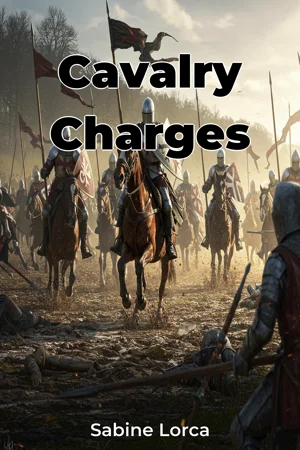
From the thunderous hooves of ancient warhorses to the rumbling tracks of modern tanks, how has the cavalry charge shaped the outcome of battles and the course of history? "Cavalry Charges" explores the multifaceted evolution of this iconic military tactic, examining its influence on battlefield victories across diverse eras and cultures. This book will dissect not only the strategies and technologies employed in cavalry charges, but also the social, economic, and political factors that influenced their development and eventual obsolescence. The central argument of this book is that the cavalry charge, while seemingly a simple maneuver, represents a complex interplay of technological innovation, tactical adaptation, and societal values. Its effectiveness depended not only on the quality of horses and the skill of riders, but also on factors such as terrain, enemy formations, and the broader strategic context. Understanding this evolution provides crucial insights into the changing nature of warfare and the enduring tension between offensive and defensive capabilities. "Cavalry Charges" begins by establishing the historical context of mounted warfare, tracing its origins from the earliest domesticated horses used for raiding and reconnaissance to the development of specialized warhorses and riding techniques in ancient civilizations. It then examines the rise of heavy cavalry in medieval Europe, focusing on the role of knights and the impact of the stirrup on combat effectiveness. We will explore the tactical doctrines that governed the use of cavalry, analyzing iconic battles such as the Battle of Crécy and the Battle of Agincourt to understand the limitations and vulnerabilities of mounted charges against disciplined infantry. The book then shifts its focus to the early modern period, examining the adaptation of cavalry tactics in response to the introduction of firearms. We will analyze how cavalry units were reorganized and retrained to operate alongside infantry and artillery, exploring the role of dragoons and other specialized cavalry types. The Napoleonic Wars provide a rich case study, as we examine the strategic use of cavalry in battles like the Battle of Borodino and the Battle of Waterloo. Finally, "Cavalry Charges" analyzes the decline of mounted charges in the 20th century and the transition to mechanized warfare. We will examine the brief resurgence of cavalry in World War I, highlighting the limitations of horses against machine guns and barbed wire. The book concludes by exploring the legacy of cavalry in modern armored warfare, arguing that the principles of mobility, firepower, and shock action remain relevant even in the age of tanks and helicopters. To support its arguments, "Cavalry Charges" draws upon a wide range of primary and secondary sources, including military treatises, battle accounts, archaeological evidence, and historical analyses. It also incorporates insights from related fields such as equine history, military technology, and social history to provide a comprehensive and nuanced understanding of the subject. This book is intended for military history enthusiasts, students of strategic studies, and anyone with an interest in the evolution of warfare. It offers a fresh perspective on a well-known topic, challenging conventional wisdom and providing new insights into the enduring importance of cavalry in military history. While the book focuses primarily on military tactics and technology, it also acknowledges the broader social, economic, and political contexts that shaped the development and use of cavalry charges. The scope of this study is limited to organized military applications of cavalry, excluding nomadic or irregular mounted warfare, in order to maintain a focused analysis. One ongoing debate within military history concerns the relative importance of cavalry in pre-modern warfare. "Cavalry Charges" addresses this debate by providing a balanced assessment of the strengths and limitations of mounted charges, arguing that their effectiveness depended on a variety of factors and that they were often decisive only when employed in conjunction with other arms. By examining the evolution of cavalry charges across diverse historical periods, "Cavalry Charges" offers a valuable contribution to our understanding of military history and the changing nature of warfare.
From the thunderous hooves of ancient warhorses to the rumbling tracks of modern tanks, how has the cavalry charge shaped the outcome of battles and the course of history? "Cavalry Charges" explores the multifaceted evolution of this iconic military tactic, examining its influence on battlefield victories across diverse eras and cultures. This book will dissect not only the strategies and technologies employed in cavalry charges, but also the social, economic, and political factors that influenced their development and eventual obsolescence. The central argument of this book is that the cavalry charge, while seemingly a simple maneuver, represents a complex interplay of technological innovation, tactical adaptation, and societal values. Its effectiveness depended not only on the quality of horses and the skill of riders, but also on factors such as terrain, enemy formations, and the broader strategic context. Understanding this evolution provides crucial insights into the changing nature of warfare and the enduring tension between offensive and defensive capabilities. "Cavalry Charges" begins by establishing the historical context of mounted warfare, tracing its origins from the earliest domesticated horses used for raiding and reconnaissance to the development of specialized warhorses and riding techniques in ancient civilizations. It then examines the rise of heavy cavalry in medieval Europe, focusing on the role of knights and the impact of the stirrup on combat effectiveness. We will explore the tactical doctrines that governed the use of cavalry, analyzing iconic battles such as the Battle of Crécy and the Battle of Agincourt to understand the limitations and vulnerabilities of mounted charges against disciplined infantry. The book then shifts its focus to the early modern period, examining the adaptation of cavalry tactics in response to the introduction of firearms. We will analyze how cavalry units were reorganized and retrained to operate alongside infantry and artillery, exploring the role of dragoons and other specialized cavalry types. The Napoleonic Wars provide a rich case study, as we examine the strategic use of cavalry in battles like the Battle of Borodino and the Battle of Waterloo. Finally, "Cavalry Charges" analyzes the decline of mounted charges in the 20th century and the transition to mechanized warfare. We will examine the brief resurgence of cavalry in World War I, highlighting the limitations of horses against machine guns and barbed wire. The book concludes by exploring the legacy of cavalry in modern armored warfare, arguing that the principles of mobility, firepower, and shock action remain relevant even in the age of tanks and helicopters. To support its arguments, "Cavalry Charges" draws upon a wide range of primary and secondary sources, including military treatises, battle accounts, archaeological evidence, and historical analyses. It also incorporates insights from related fields such as equine history, military technology, and social history to provide a comprehensive and nuanced understanding of the subject. This book is intended for military history enthusiasts, students of strategic studies, and anyone with an interest in the evolution of warfare. It offers a fresh perspective on a well-known topic, challenging conventional wisdom and providing new insights into the enduring importance of cavalry in military history. While the book focuses primarily on military tactics and technology, it also acknowledges the broader social, economic, and political contexts that shaped the development and use of cavalry charges. The scope of this study is limited to organized military applications of cavalry, excluding nomadic or irregular mounted warfare, in order to maintain a focused analysis. One ongoing debate within military history concerns the relative importance of cavalry in pre-modern warfare. "Cavalry Charges" addresses this debate by providing a balanced assessment of the strengths and limitations of mounted charges, arguing that their effectiveness depended on a variety of factors and that they were often decisive only when employed in conjunction with other arms. By examining the evolution of cavalry charges across diverse historical periods, "Cavalry Charges" offers a valuable contribution to our understanding of military history and the changing nature of warfare.
"Cavalry Charges" offers a comprehensive exploration of mounted warfare, tracing its evolution from ancient times to the modern era. It examines how cavalry charges, an iconic military tactic, have influenced battlefield outcomes and broader historical trends. The book argues that these charges represent a complex interplay of technology, tactics, and societal values, demonstrating that their success depended on factors beyond just skilled riders and quality horses. For example, the introduction of firearms forced cavalry to adapt, leading to new formations and tactics alongside infantry and artillery. The book progresses chronologically, starting with the origins of mounted warfare and the rise of knights in medieval Europe, even analyzing the limitations exposed at battles like Crécy. It then shifts to the Napoleonic Wars, highlighting cavalry's strategic role, before analyzing its decline in the 20th century and its legacy in modern armor warfare. Drawing upon diverse sources, it offers a fresh perspective on military history, challenging conventional wisdom about the enduring importance of cavalry. Did you know that cavalry saw a brief resurgence in World War I, despite the dominance of machine guns?
Book Details
ISBN
9788235248039
Publisher
Publifye AS
Your Licenses
You don't own any licenses for this book
Purchase a license below to unlock this book and download the EPUB.
Purchase License
Select a tier to unlock this book
Need bulk licensing?
Contact us for enterprise agreements.