
About This Book
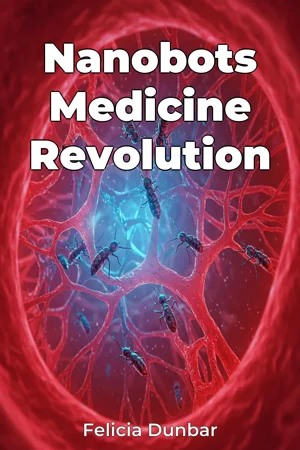
Imagine a future where the most complex surgeries are performed not by human hands, but by microscopic robots navigating through our bodies with unparalleled precision. This book, "Nanobots Medicine Revolution," delves into the rapidly evolving world of nanomedicine, exploring the design, capabilities, and potential of nanorobotic systems in revolutionizing medical treatments at the cellular level. The core focus is on how these tiny machines can offer minimally invasive solutions for a range of diseases, representing a paradigm shift in healthcare. This book addresses three critical questions: How are nanobots designed and manufactured for medical applications? What are the potential therapeutic applications of nanobots, and what challenges must be overcome to realize their full potential? What are the ethical and regulatory considerations surrounding the use of nanobots in medicine? These topics are important because nanomedicine promises earlier diagnosis, targeted drug delivery, and regenerative therapies that can significantly improve patient outcomes and quality of life. To understand the current state of nanomedicine, it’s essential to consider the historical context. The concept originated in theoretical physics and advanced materials science, with early pioneers envisioning machines capable of operating at the nanoscale. The book traces the development of nanotechnology, from the initial theoretical frameworks to the first successful demonstrations of nanoscale devices. Readers will benefit from a basic understanding of biology, chemistry, and robotics to fully grasp the concepts presented. The central argument posited in "Nanobots Medicine Revolution" is that nanobots represent a transformative technology with the potential to overcome many of the limitations of current medical treatments. The book asserts that while significant technical and regulatory hurdles remain, the potential benefits of nanomedicine justify continued research and development efforts. The book begins by introducing the fundamental principles of nanotechnology and the specific requirements for designing nanobots for medical use. It then explores key areas of application, including targeted drug delivery to cancer cells, repair of damaged tissues, and early detection of diseases through biosensing. Subsequent chapters delve into the challenges of powering and controlling nanobots within the human body, as well as the biocompatibility and potential toxicity concerns. The book culminates with a discussion of the ethical and regulatory landscape surrounding nanomedicine, and the practical implications of this technology for patients, healthcare providers, and society. The arguments presented are supported by extensive research from scientific journals, conference proceedings, and patent filings. The book analyzes data from in vitro and in vivo studies, as well as clinical trials involving nanomedicine technologies. It also includes case studies illustrating the potential impact of nanobots on various disease states. "Nanobots Medicine Revolution" connects to several interdisciplinary fields, including materials science, computer science, and bioethics. The book examines how advancements in materials science enable the creation of biocompatible and functional nanobots. It also explores the role of computer science in developing sophisticated control algorithms for nanobot navigation and operation. The ethical considerations related to privacy, safety, and equitable access to nanomedicine are also discussed. The book adopts a fact-based and analytical approach, presenting information in a clear and accessible style. It avoids sensationalism and focuses on providing a balanced assessment of the potential benefits and risks of nanomedicine. The intended audience includes medical professionals, researchers in nanotechnology and biotechnology, policymakers, and anyone interested in the future of medicine. The book provides valuable insights into the scientific, technological, and ethical considerations surrounding this groundbreaking technology. As a work of non-fiction in the medical and biotechnology genres, this book adheres to standards of accuracy, objectivity, and transparency. It cites sources meticulously and acknowledges the limitations of current knowledge. The book focuses on providing a comprehensive overview of the field, while acknowledging the complexities and uncertainties inherent in scientific research. "Nanobots Medicine Revolution" focuses on the use of nanobots within the human body for diagnostic and therapeutic purposes. While it touches on related areas such as nanobiotechnology and bionanotechnology, its primary focus remains on the design, development, and application of nanorobotic systems for medicine. The book highlights the significant potential for personalized medicine. Nanobots offer the ability to deliver drugs directly to the site of disease, reducing side effects and improving treatment efficacy. They can also be used to monitor a patient's health in real-time, providing valuable data for personalized treatment plans. The book addresses ongoing debates surrounding the safety and efficacy of nanomedicine. It examines the potential for nanobots to cause unintended harm to the body, as well as the challenges of regulating this emerging technology. It also acknowledges the concerns about the cost and accessibility of nanomedicine, and the need for equitable distribution of these potentially life-saving technologies. The aim is to provide a balanced perspective on the promises and challenges of nanomedicine, fostering informed discussion and responsible innovation.
Imagine a future where the most complex surgeries are performed not by human hands, but by microscopic robots navigating through our bodies with unparalleled precision. This book, "Nanobots Medicine Revolution," delves into the rapidly evolving world of nanomedicine, exploring the design, capabilities, and potential of nanorobotic systems in revolutionizing medical treatments at the cellular level. The core focus is on how these tiny machines can offer minimally invasive solutions for a range of diseases, representing a paradigm shift in healthcare. This book addresses three critical questions: How are nanobots designed and manufactured for medical applications? What are the potential therapeutic applications of nanobots, and what challenges must be overcome to realize their full potential? What are the ethical and regulatory considerations surrounding the use of nanobots in medicine? These topics are important because nanomedicine promises earlier diagnosis, targeted drug delivery, and regenerative therapies that can significantly improve patient outcomes and quality of life. To understand the current state of nanomedicine, it’s essential to consider the historical context. The concept originated in theoretical physics and advanced materials science, with early pioneers envisioning machines capable of operating at the nanoscale. The book traces the development of nanotechnology, from the initial theoretical frameworks to the first successful demonstrations of nanoscale devices. Readers will benefit from a basic understanding of biology, chemistry, and robotics to fully grasp the concepts presented. The central argument posited in "Nanobots Medicine Revolution" is that nanobots represent a transformative technology with the potential to overcome many of the limitations of current medical treatments. The book asserts that while significant technical and regulatory hurdles remain, the potential benefits of nanomedicine justify continued research and development efforts. The book begins by introducing the fundamental principles of nanotechnology and the specific requirements for designing nanobots for medical use. It then explores key areas of application, including targeted drug delivery to cancer cells, repair of damaged tissues, and early detection of diseases through biosensing. Subsequent chapters delve into the challenges of powering and controlling nanobots within the human body, as well as the biocompatibility and potential toxicity concerns. The book culminates with a discussion of the ethical and regulatory landscape surrounding nanomedicine, and the practical implications of this technology for patients, healthcare providers, and society. The arguments presented are supported by extensive research from scientific journals, conference proceedings, and patent filings. The book analyzes data from in vitro and in vivo studies, as well as clinical trials involving nanomedicine technologies. It also includes case studies illustrating the potential impact of nanobots on various disease states. "Nanobots Medicine Revolution" connects to several interdisciplinary fields, including materials science, computer science, and bioethics. The book examines how advancements in materials science enable the creation of biocompatible and functional nanobots. It also explores the role of computer science in developing sophisticated control algorithms for nanobot navigation and operation. The ethical considerations related to privacy, safety, and equitable access to nanomedicine are also discussed. The book adopts a fact-based and analytical approach, presenting information in a clear and accessible style. It avoids sensationalism and focuses on providing a balanced assessment of the potential benefits and risks of nanomedicine. The intended audience includes medical professionals, researchers in nanotechnology and biotechnology, policymakers, and anyone interested in the future of medicine. The book provides valuable insights into the scientific, technological, and ethical considerations surrounding this groundbreaking technology. As a work of non-fiction in the medical and biotechnology genres, this book adheres to standards of accuracy, objectivity, and transparency. It cites sources meticulously and acknowledges the limitations of current knowledge. The book focuses on providing a comprehensive overview of the field, while acknowledging the complexities and uncertainties inherent in scientific research. "Nanobots Medicine Revolution" focuses on the use of nanobots within the human body for diagnostic and therapeutic purposes. While it touches on related areas such as nanobiotechnology and bionanotechnology, its primary focus remains on the design, development, and application of nanorobotic systems for medicine. The book highlights the significant potential for personalized medicine. Nanobots offer the ability to deliver drugs directly to the site of disease, reducing side effects and improving treatment efficacy. They can also be used to monitor a patient's health in real-time, providing valuable data for personalized treatment plans. The book addresses ongoing debates surrounding the safety and efficacy of nanomedicine. It examines the potential for nanobots to cause unintended harm to the body, as well as the challenges of regulating this emerging technology. It also acknowledges the concerns about the cost and accessibility of nanomedicine, and the need for equitable distribution of these potentially life-saving technologies. The aim is to provide a balanced perspective on the promises and challenges of nanomedicine, fostering informed discussion and responsible innovation.
Imagine microscopic robots revolutionizing healthcare. "Nanobots Medicine Revolution" explores the potential of nanomedicine, where tiny machines navigate our bodies to treat diseases at the cellular level. Nanobots could offer minimally invasive solutions, such as targeted drug delivery directly to cancer cells, minimizing side effects and maximizing effectiveness. These advancements promise earlier disease detection through advanced biosensing and regenerative therapies, potentially transforming patient outcomes. The book investigates nanobot design and manufacturing, therapeutic applications, and ethical considerations. It traces nanotechnology's evolution, from theoretical concepts to real-world applications. Chapters cover fundamental principles, applications like tissue repair, challenges in powering and controlling nanobots, and regulatory issues. This approach provides a comprehensive understanding of the scientific, ethical, and practical implications of nanomedicine. The book emphasizes personalized medicine through nanobots, enabling real-time health monitoring and customized treatment plans. While acknowledging safety and efficacy debates, "Nanobots Medicine Revolution" provides a balanced perspective on the promises and challenges of this emerging biotechnology, making it valuable for medical professionals, researchers, and anyone interested in the future of healthcare.
Book Details
ISBN
9788235248008
Publisher
Publifye AS
Your Licenses
You don't own any licenses for this book
Purchase a license below to unlock this book and download the EPUB.
Purchase License
Select a tier to unlock this book
Need bulk licensing?
Contact us for enterprise agreements.