
About This Book
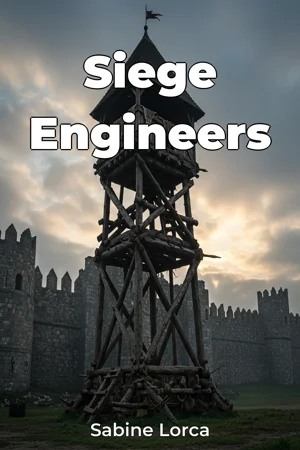
How did ancient and medieval societies overcome seemingly insurmountable defensive structures? This book, *Siege Engineers*, delves into the minds and methods of the military engineers who designed the siege weapons that breached castle walls, constructed the fortifications that defended cities, and developed the military technology that shaped warfare from antiquity through the Middle Ages. This is a history of innovation under pressure, where ingenuity determined survival. The core of this book focuses on three critical areas: the evolution of siege weaponry, the principles of defensive fortification, and the interplay between these offensive and defensive technologies in shaping military outcomes. Understanding these elements is crucial because they illuminate not only the technical skills of past societies but also the strategic thinking, resource management, and social organization required to wage war effectively. Without appreciating the sophisticated engineering behind military operations, the outcomes of battles and sieges remain largely inexplicable. To understand these developments, we'll explore the historical context of warfare, starting with the rudimentary siege techniques of the ancient Near East and progressing through the refined strategies of the Roman Empire, the innovations of the medieval period, and the eventual decline of traditional siege warfare with the advent of gunpowder. A basic understanding of geometry, physics, and materials science will enhance the reader’s appreciation of the complexities involved, though the book is designed to be accessible to those without specialized technical knowledge. The central argument of *Siege Engineers* is that military engineering was not merely a practical application of existing knowledge but a dynamic field of innovation that drove technological advancement and profoundly influenced the course of history. By examining the specific challenges faced by military engineers and the solutions they devised, we can gain a deeper understanding of the technological capabilities, strategic thinking, and societal priorities of past civilizations. The book is structured as follows: First, an introduction establishes the fundamental principles of siege warfare and fortification, outlining the key challenges and constraints faced by military engineers. The narrative then unfolds chronologically. It includes chapters that consider the siege technologies of antiquity, focusing on the battering rams, siege towers, and catapults employed by the Greeks, Romans, and other ancient powers. A following section examines the evolution of fortifications, from simple earthen ramparts to complex stone castles, analyzing the principles of design and construction that made these structures so formidable. A subsequent section details medieval siege warfare, highlighting the development of trebuchets, mangonels, and other powerful siege engines, as well as the corresponding advances in defensive architecture. The book culminates with an examination of the societal impact of military engineering, exploring its connections to other fields such as architecture, mathematics, and metallurgy, and its role in shaping the political and economic landscape of the ancient and medieval world. The evidence presented in *Siege Engineers* draws from a variety of sources, including archaeological findings, contemporary accounts of sieges and battles, technical treatises on military engineering, and iconographic representations of siege weapons and fortifications. Emphasis will be given to interpreting material evidence in light of historical and textual sources to provide a comprehensive and nuanced understanding of military engineering practices. *Siege Engineers* also connects to other disciplines, such as archaeology, architectural history, and social history. By examining the material remains of military engineering projects, archaeologists can provide insights into the technologies and techniques employed. By situating military engineering within its broader social and political context, social historians can illuminate the ways in which military technology shaped the lives of soldiers, civilians, and rulers. What sets this book apart is its focus on the engineers themselves—the individuals who conceived, designed, and built the machines and structures that defined ancient and medieval warfare. By exploring their motivations, challenges, and innovations, this book offers a fresh perspective on military history, moving beyond the traditional focus on battles and campaigns to examine the underlying technological and human factors that determined victory and defeat. The tone of this book is informative and accessible, aiming to engage a broad audience while maintaining scholarly rigor. It is intended for military history enthusiasts, students of technology and engineering, and anyone interested in the history of warfare. The book provides value by offering a comprehensive and insightful overview of a topic that is often overlooked in traditional military histories. This book adheres to the conventions of military history and technology studies, providing detailed descriptions of weapons and fortifications, rigorous analysis of historical evidence, and clear explanations of technical concepts. The scope of *Siege Engineers* is limited to ancient and medieval warfare, focusing on the period before the widespread adoption of gunpowder artillery. While gunpowder revolutionized siege warfare, the earlier period represents a distinct and fascinating era of technological innovation and strategic thinking. The information presented in this book has real-world applications for understanding the principles of engineering design, project management, and problem-solving. By studying the successes and failures of military engineers in the past, we can gain insights into the challenges of innovation and the importance of adapting to changing circumstances. Finally, *Siege Engineers* addresses ongoing debates in the field, such as the relative effectiveness of different siege weapons, the impact of fortifications on military strategy, and the role of technology in shaping military outcomes. By presenting a balanced and nuanced perspective on these issues, this book aims to contribute to a deeper understanding of ancient and medieval warfare.
How did ancient and medieval societies overcome seemingly insurmountable defensive structures? This book, *Siege Engineers*, delves into the minds and methods of the military engineers who designed the siege weapons that breached castle walls, constructed the fortifications that defended cities, and developed the military technology that shaped warfare from antiquity through the Middle Ages. This is a history of innovation under pressure, where ingenuity determined survival. The core of this book focuses on three critical areas: the evolution of siege weaponry, the principles of defensive fortification, and the interplay between these offensive and defensive technologies in shaping military outcomes. Understanding these elements is crucial because they illuminate not only the technical skills of past societies but also the strategic thinking, resource management, and social organization required to wage war effectively. Without appreciating the sophisticated engineering behind military operations, the outcomes of battles and sieges remain largely inexplicable. To understand these developments, we'll explore the historical context of warfare, starting with the rudimentary siege techniques of the ancient Near East and progressing through the refined strategies of the Roman Empire, the innovations of the medieval period, and the eventual decline of traditional siege warfare with the advent of gunpowder. A basic understanding of geometry, physics, and materials science will enhance the reader’s appreciation of the complexities involved, though the book is designed to be accessible to those without specialized technical knowledge. The central argument of *Siege Engineers* is that military engineering was not merely a practical application of existing knowledge but a dynamic field of innovation that drove technological advancement and profoundly influenced the course of history. By examining the specific challenges faced by military engineers and the solutions they devised, we can gain a deeper understanding of the technological capabilities, strategic thinking, and societal priorities of past civilizations. The book is structured as follows: First, an introduction establishes the fundamental principles of siege warfare and fortification, outlining the key challenges and constraints faced by military engineers. The narrative then unfolds chronologically. It includes chapters that consider the siege technologies of antiquity, focusing on the battering rams, siege towers, and catapults employed by the Greeks, Romans, and other ancient powers. A following section examines the evolution of fortifications, from simple earthen ramparts to complex stone castles, analyzing the principles of design and construction that made these structures so formidable. A subsequent section details medieval siege warfare, highlighting the development of trebuchets, mangonels, and other powerful siege engines, as well as the corresponding advances in defensive architecture. The book culminates with an examination of the societal impact of military engineering, exploring its connections to other fields such as architecture, mathematics, and metallurgy, and its role in shaping the political and economic landscape of the ancient and medieval world. The evidence presented in *Siege Engineers* draws from a variety of sources, including archaeological findings, contemporary accounts of sieges and battles, technical treatises on military engineering, and iconographic representations of siege weapons and fortifications. Emphasis will be given to interpreting material evidence in light of historical and textual sources to provide a comprehensive and nuanced understanding of military engineering practices. *Siege Engineers* also connects to other disciplines, such as archaeology, architectural history, and social history. By examining the material remains of military engineering projects, archaeologists can provide insights into the technologies and techniques employed. By situating military engineering within its broader social and political context, social historians can illuminate the ways in which military technology shaped the lives of soldiers, civilians, and rulers. What sets this book apart is its focus on the engineers themselves—the individuals who conceived, designed, and built the machines and structures that defined ancient and medieval warfare. By exploring their motivations, challenges, and innovations, this book offers a fresh perspective on military history, moving beyond the traditional focus on battles and campaigns to examine the underlying technological and human factors that determined victory and defeat. The tone of this book is informative and accessible, aiming to engage a broad audience while maintaining scholarly rigor. It is intended for military history enthusiasts, students of technology and engineering, and anyone interested in the history of warfare. The book provides value by offering a comprehensive and insightful overview of a topic that is often overlooked in traditional military histories. This book adheres to the conventions of military history and technology studies, providing detailed descriptions of weapons and fortifications, rigorous analysis of historical evidence, and clear explanations of technical concepts. The scope of *Siege Engineers* is limited to ancient and medieval warfare, focusing on the period before the widespread adoption of gunpowder artillery. While gunpowder revolutionized siege warfare, the earlier period represents a distinct and fascinating era of technological innovation and strategic thinking. The information presented in this book has real-world applications for understanding the principles of engineering design, project management, and problem-solving. By studying the successes and failures of military engineers in the past, we can gain insights into the challenges of innovation and the importance of adapting to changing circumstances. Finally, *Siege Engineers* addresses ongoing debates in the field, such as the relative effectiveness of different siege weapons, the impact of fortifications on military strategy, and the role of technology in shaping military outcomes. By presenting a balanced and nuanced perspective on these issues, this book aims to contribute to a deeper understanding of ancient and medieval warfare.
"Siege Engineers" explores the crucial role of military engineering in ancient and medieval warfare, highlighting the ingenuity behind siege weapons and fortifications. The book delves into how engineers overcame defensive structures, examining the evolution of siege weaponry like battering rams and trebuchets, and the principles of defensive fortifications, from earthen ramparts to complex stone castles. Understanding these elements reveals not only the technical skills of past societies but also their strategic thinking and resource management. The book progresses chronologically, starting with rudimentary ancient techniques and moving through Roman strategies, medieval innovations, and the decline of traditional siege warfare. It emphasizes that military engineering was a dynamic field driving technological advancement and influencing history. For example, the development of the trebuchet significantly altered siege capabilities during the Middle Ages. What sets "Siege Engineers" apart is its focus on the engineers themselves, offering a fresh perspective beyond battles to examine the technological and human factors determining victory. By exploring their motivations and innovations, the book provides an insightful overview of a topic often overlooked in traditional military histories, connecting it to fields like archaeology and architectural history.
Book Details
ISBN
9788235247827
Publisher
Publifye AS
Your Licenses
You don't own any licenses for this book
Purchase a license below to unlock this book and download the EPUB.
Purchase License
Select a tier to unlock this book
Need bulk licensing?
Contact us for enterprise agreements.