
About This Book
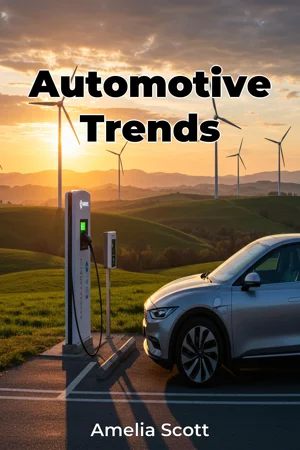
As the roar of the internal combustion engine gradually fades, what will drive the future of global transportation? "Automotive Trends" navigates the complex landscape of the rapidly evolving auto industry, focusing on pivotal innovations in electric vehicles (EVs), automation, and sustainability, and their profound impact on global transportation markets. These three interconnected forces are reshaping not only how vehicles are designed, manufactured, and powered, but also the economic, social, and environmental frameworks within which transportation operates. This book argues that the successful integration of EVs, automation, and sustainable practices is crucial for the future of mobility, requiring a coordinated effort across technological development, policy implementation, and consumer adoption. The core of this argument rests on the idea that each of these innovations is not merely a technological upgrade, but represents a fundamental shift in how we interact with transportation. "Automotive Trends" provides a comprehensive examination of these trends, beginning with an introduction to the current state of the automotive industry and the pressing need for innovation. The book then unfolds in three major sections. First, it analyzes the rise of electric vehicles, exploring battery technology advancements, charging infrastructure challenges, and the economic implications of transitioning away from fossil fuels. Second, it delves into the world of autonomous driving, examining the technological breakthroughs, ethical dilemmas, and regulatory hurdles associated with self-driving cars. This section covers the spectrum of automation, from driver-assistance systems to fully autonomous vehicles, and their potential to revolutionize urban planning and logistics. Third, the book addresses sustainability in the automotive sector, investigating the materials used in vehicle production, the environmental impact of manufacturing processes, and the development of circular economy models for end-of-life vehicle management. This section examines the life cycle of vehicles and emphasizes the move toward reducing the carbon footprint of the entire automotive industry. The evidence presented throughout the book draws from a variety of sources, including industry reports, academic research, government data, and case studies of leading automotive companies. It incorporates quantitative analysis of market trends, technological performance, and environmental impact, as well as qualitative insights from expert interviews and industry analyses. The themes examined extend beyond the automotive industry itself, connecting to other fields such as energy, urban planning, and environmental science. The advent of EVs is intrinsically linked to developments in renewable energy and the modernization of electrical grids. Automated vehicles necessitate the redesign of urban infrastructure and raise complex questions about liability and ethics. The push for sustainability drives innovation in materials science and the implementation of circular economy principles. What distinguishes "Automotive Trends" is its holistic approach, which considers the interplay between technological advancements, economic realities, and environmental imperatives. It offers a balanced perspective, acknowledging both the opportunities and the challenges associated with these transformative trends. Written in a style accessible to both industry professionals and general readers interested in the future of transportation, "Automotive Trends" is aimed at policymakers, investors, engineers, and anyone seeking a deeper understanding of the forces shaping the automotive industry. It provides insights into the strategic decisions facing automotive companies, the policy choices facing governments, and the investment opportunities emerging in this dynamic sector. Readers will gain a deeper understanding of the technologies, economics, and environmental considerations that drive the industry. While the book provides a broad overview, it primarily focuses on passenger vehicles and light-duty trucks, acknowledging that heavy-duty transportation and niche vehicle markets require distinct analyses. The book also addresses controversies such as the pace of EV adoption, the safety of autonomous vehicles, and the effectiveness of different sustainability strategies. The book examines competing perspectives, presenting the evidence and arguments surrounding these debates in a balanced and informative manner. Ultimately, "Automotive Trends" offers a roadmap for navigating the complex terrain of the automotive industry, providing readers with the knowledge and insights needed to understand and shape the future of transportation.
As the roar of the internal combustion engine gradually fades, what will drive the future of global transportation? "Automotive Trends" navigates the complex landscape of the rapidly evolving auto industry, focusing on pivotal innovations in electric vehicles (EVs), automation, and sustainability, and their profound impact on global transportation markets. These three interconnected forces are reshaping not only how vehicles are designed, manufactured, and powered, but also the economic, social, and environmental frameworks within which transportation operates. This book argues that the successful integration of EVs, automation, and sustainable practices is crucial for the future of mobility, requiring a coordinated effort across technological development, policy implementation, and consumer adoption. The core of this argument rests on the idea that each of these innovations is not merely a technological upgrade, but represents a fundamental shift in how we interact with transportation. "Automotive Trends" provides a comprehensive examination of these trends, beginning with an introduction to the current state of the automotive industry and the pressing need for innovation. The book then unfolds in three major sections. First, it analyzes the rise of electric vehicles, exploring battery technology advancements, charging infrastructure challenges, and the economic implications of transitioning away from fossil fuels. Second, it delves into the world of autonomous driving, examining the technological breakthroughs, ethical dilemmas, and regulatory hurdles associated with self-driving cars. This section covers the spectrum of automation, from driver-assistance systems to fully autonomous vehicles, and their potential to revolutionize urban planning and logistics. Third, the book addresses sustainability in the automotive sector, investigating the materials used in vehicle production, the environmental impact of manufacturing processes, and the development of circular economy models for end-of-life vehicle management. This section examines the life cycle of vehicles and emphasizes the move toward reducing the carbon footprint of the entire automotive industry. The evidence presented throughout the book draws from a variety of sources, including industry reports, academic research, government data, and case studies of leading automotive companies. It incorporates quantitative analysis of market trends, technological performance, and environmental impact, as well as qualitative insights from expert interviews and industry analyses. The themes examined extend beyond the automotive industry itself, connecting to other fields such as energy, urban planning, and environmental science. The advent of EVs is intrinsically linked to developments in renewable energy and the modernization of electrical grids. Automated vehicles necessitate the redesign of urban infrastructure and raise complex questions about liability and ethics. The push for sustainability drives innovation in materials science and the implementation of circular economy principles. What distinguishes "Automotive Trends" is its holistic approach, which considers the interplay between technological advancements, economic realities, and environmental imperatives. It offers a balanced perspective, acknowledging both the opportunities and the challenges associated with these transformative trends. Written in a style accessible to both industry professionals and general readers interested in the future of transportation, "Automotive Trends" is aimed at policymakers, investors, engineers, and anyone seeking a deeper understanding of the forces shaping the automotive industry. It provides insights into the strategic decisions facing automotive companies, the policy choices facing governments, and the investment opportunities emerging in this dynamic sector. Readers will gain a deeper understanding of the technologies, economics, and environmental considerations that drive the industry. While the book provides a broad overview, it primarily focuses on passenger vehicles and light-duty trucks, acknowledging that heavy-duty transportation and niche vehicle markets require distinct analyses. The book also addresses controversies such as the pace of EV adoption, the safety of autonomous vehicles, and the effectiveness of different sustainability strategies. The book examines competing perspectives, presenting the evidence and arguments surrounding these debates in a balanced and informative manner. Ultimately, "Automotive Trends" offers a roadmap for navigating the complex terrain of the automotive industry, providing readers with the knowledge and insights needed to understand and shape the future of transportation.
"Automotive Trends" explores the confluence of electric vehicles (EVs), automation, and sustainability, which are revolutionizing the automotive industry and global transportation markets. The book argues that integrating these elements is crucial for the future of mobility. Interestingly, the transition to EVs is intrinsically linked to advancements in renewable energy, and automated vehicles are forcing a redesign of urban infrastructure. The book begins by assessing the current state of the automotive industry. It then examines the rise of EVs, delving into battery technology and charging infrastructure. Next, it explores autonomous vehicles, from driver-assistance systems to self-driving cars, and their impact on urban planning. Finally, the book addresses sustainability, focusing on vehicle production materials and circular economy models. It uses industry reports, academic research, and case studies to support its arguments. This book distinguishes itself through its holistic approach, balancing technological advancements, economic realities, and environmental needs. "Automotive Trends" offers a roadmap for understanding and shaping the future of transportation, valuable to policymakers, investors, and anyone interested in automotive technology and economics.
Book Details
ISBN
9788235247643
Publisher
Publifye AS
Your Licenses
You don't own any licenses for this book
Purchase a license below to unlock this book and download the EPUB.
Purchase License
Select a tier to unlock this book
Need bulk licensing?
Contact us for enterprise agreements.