
About This Book
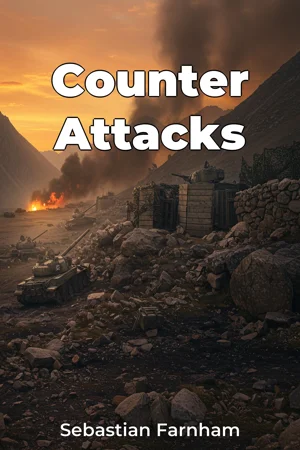
Can the seemingly weaker force strategically exploit an opponent's aggression to achieve victory? "Counter Attacks" delves into the art and science of turning defensive postures into potent offensive opportunities, examining historical and modern military strategies where perceived vulnerabilities become the fulcrum for decisive triumphs. This book transcends a mere chronicle of battles; it is an insightful study of asymmetrical warfare, strategic thinking, and the exploitation of predictable behavior. The core of our analysis centers on three pivotal concepts: strategic misdirection, the calculated use of terrain and technology to amplify defensive capabilities, and the psychological manipulation of the enemy's decision-making process. These elements, when harmonized, transform defense from a reactive measure into a proactive catalyst for offensive action. Understanding these principles is crucial for military strategists, policymakers, and anyone interested in the dynamics of conflict and power. To fully appreciate the power of counter-attacks, it's essential to grasp fundamental military concepts, including logistics, intelligence gathering, and the principles of maneuver warfare. We will explore examples throughout history, ranging from ancient battles to contemporary conflicts, providing context and illustrating how these strategies have evolved. The central argument of "Counter Attacks" posits that successful implementation of defensive-offensive strategies hinges on a deep understanding of the adversary's doctrines, capabilities, and inherent biases. By anticipating and exploiting these factors, a defender can lure an attacker into a strategically disadvantageous position, thereby converting defense into a devastating counter-offensive. This argument challenges conventional notions of military strength, emphasizing the importance of adaptability, foresight, and psychological warfare. "Counter Attacks" is structured to progressively build upon these concepts. Initially, we introduce the theoretical framework of defensive-offensive strategies, drawing on historical examples to illustrate key principles. Then, we delve into specific case studies, analyzing battles and campaigns where counter-attacks proved decisive. The book culminates in an examination of modern military doctrines, exploring how these principles are being adapted to address the challenges of contemporary warfare, and detailing practical implications for defense policy and force structure. Our analysis relies on a diverse range of sources, including primary accounts from military leaders, battlefield analyses, intelligence reports, and simulations. We also incorporate insights from game theory and behavioral economics to understand the decision-making processes that underpin successful counter-attack strategies. The study of counter-attacks intersects with several other fields, including psychology, political science, and economics. Psychological warfare is crucial in manipulating an adversary's perceptions, while political considerations often dictate the strategic objectives of a conflict. Economic factors, such as resource allocation and technological development, also influence the feasibility and effectiveness of different military strategies. "Counter Attacks" offers a unique perspective by emphasizing the proactive nature of defensive strategies. It moves beyond traditional analyses of defensive warfare, which often focus on static fortifications and attrition, to explore how defense can be used as a springboard for offensive action. Written in an accessible style, "Counter Attacks" targets military professionals, historians, political scientists, and anyone interested in understanding the complexities of military strategy and conflict resolution. The book provides valuable insights into the dynamics of power, the importance of strategic thinking, and the art of turning adversity into opportunity. In terms of genre, "Counter Attacks" adheres to the conventions of military history and political analysis, presenting factual information, rigorous analysis, and well-supported arguments. The scope of "Counter Attacks" is intentionally broad, covering a wide range of historical periods and geographical regions. However, it is primarily focused on conventional military conflicts, with limited discussion of insurgencies or asymmetric warfare. The principles outlined in "Counter Attacks" have practical applications beyond the military sphere. They can be applied to business negotiations, political campaigns, and even personal relationships, where understanding and exploiting an opponent's weaknesses can lead to success. While the effectiveness of counter-attack strategies is widely acknowledged, there is ongoing debate about the optimal balance between defense and offense. Some argue that a strong offense is the best defense, while others emphasize the importance of maintaining a robust defensive posture. "Counter Attacks" addresses these controversies by examining the conditions under which defensive-offensive strategies are most likely to succeed.
Can the seemingly weaker force strategically exploit an opponent's aggression to achieve victory? "Counter Attacks" delves into the art and science of turning defensive postures into potent offensive opportunities, examining historical and modern military strategies where perceived vulnerabilities become the fulcrum for decisive triumphs. This book transcends a mere chronicle of battles; it is an insightful study of asymmetrical warfare, strategic thinking, and the exploitation of predictable behavior. The core of our analysis centers on three pivotal concepts: strategic misdirection, the calculated use of terrain and technology to amplify defensive capabilities, and the psychological manipulation of the enemy's decision-making process. These elements, when harmonized, transform defense from a reactive measure into a proactive catalyst for offensive action. Understanding these principles is crucial for military strategists, policymakers, and anyone interested in the dynamics of conflict and power. To fully appreciate the power of counter-attacks, it's essential to grasp fundamental military concepts, including logistics, intelligence gathering, and the principles of maneuver warfare. We will explore examples throughout history, ranging from ancient battles to contemporary conflicts, providing context and illustrating how these strategies have evolved. The central argument of "Counter Attacks" posits that successful implementation of defensive-offensive strategies hinges on a deep understanding of the adversary's doctrines, capabilities, and inherent biases. By anticipating and exploiting these factors, a defender can lure an attacker into a strategically disadvantageous position, thereby converting defense into a devastating counter-offensive. This argument challenges conventional notions of military strength, emphasizing the importance of adaptability, foresight, and psychological warfare. "Counter Attacks" is structured to progressively build upon these concepts. Initially, we introduce the theoretical framework of defensive-offensive strategies, drawing on historical examples to illustrate key principles. Then, we delve into specific case studies, analyzing battles and campaigns where counter-attacks proved decisive. The book culminates in an examination of modern military doctrines, exploring how these principles are being adapted to address the challenges of contemporary warfare, and detailing practical implications for defense policy and force structure. Our analysis relies on a diverse range of sources, including primary accounts from military leaders, battlefield analyses, intelligence reports, and simulations. We also incorporate insights from game theory and behavioral economics to understand the decision-making processes that underpin successful counter-attack strategies. The study of counter-attacks intersects with several other fields, including psychology, political science, and economics. Psychological warfare is crucial in manipulating an adversary's perceptions, while political considerations often dictate the strategic objectives of a conflict. Economic factors, such as resource allocation and technological development, also influence the feasibility and effectiveness of different military strategies. "Counter Attacks" offers a unique perspective by emphasizing the proactive nature of defensive strategies. It moves beyond traditional analyses of defensive warfare, which often focus on static fortifications and attrition, to explore how defense can be used as a springboard for offensive action. Written in an accessible style, "Counter Attacks" targets military professionals, historians, political scientists, and anyone interested in understanding the complexities of military strategy and conflict resolution. The book provides valuable insights into the dynamics of power, the importance of strategic thinking, and the art of turning adversity into opportunity. In terms of genre, "Counter Attacks" adheres to the conventions of military history and political analysis, presenting factual information, rigorous analysis, and well-supported arguments. The scope of "Counter Attacks" is intentionally broad, covering a wide range of historical periods and geographical regions. However, it is primarily focused on conventional military conflicts, with limited discussion of insurgencies or asymmetric warfare. The principles outlined in "Counter Attacks" have practical applications beyond the military sphere. They can be applied to business negotiations, political campaigns, and even personal relationships, where understanding and exploiting an opponent's weaknesses can lead to success. While the effectiveness of counter-attack strategies is widely acknowledged, there is ongoing debate about the optimal balance between defense and offense. Some argue that a strong offense is the best defense, while others emphasize the importance of maintaining a robust defensive posture. "Counter Attacks" addresses these controversies by examining the conditions under which defensive-offensive strategies are most likely to succeed.
"Counter Attacks" explores how a weaker military force can strategically exploit an opponent's aggression to achieve victory by transforming defensive positions into offensive opportunities. It's not just a history of battles, but a study in asymmetrical warfare and strategic thinking. The book highlights concepts such as strategic misdirection, using terrain and technology to boost defense, and psychologically influencing enemy decisions. The book emphasizes understanding an adversary's doctrines and biases to lure them into disadvantageous positions, thereby turning defense into a counter-offensive. It challenges conventional notions by stressing adaptability and foresight. Beginning with a theoretical framework and historical examples, the book progresses to specific case studies and concludes with modern military doctrines and their implications for defense policy. This book offers a unique perspective by focusing on the proactive elements of defensive strategies, analyzing how defense can initiate offensive actions. It is valuable to military professionals, historians, and anyone interested in military strategy, political analysis, and conflict resolution.
Book Details
ISBN
9788235247490
Publisher
Publifye AS
Your Licenses
You don't own any licenses for this book
Purchase a license below to unlock this book and download the EPUB.
Purchase License
Select a tier to unlock this book
Need bulk licensing?
Contact us for enterprise agreements.