
About This Book
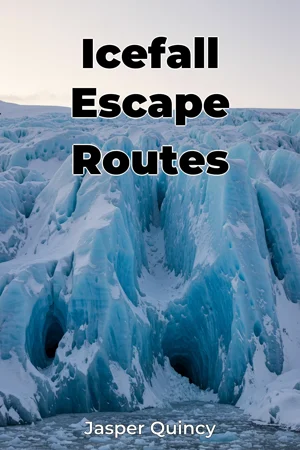
One misstep, one unforeseen shift, and the glacial landscape transforms from a breathtaking vista into a deadly trap. How do highly skilled teams navigate these treacherous environments? *Icefall Escape Routes* delves into the intricate strategies and techniques employed by those who dare to traverse glacial regions and icefalls, where survival hinges on a mastery of ropework, precise timing, and crystal-clear communication. This book examines three critical facets of glacial traversal: understanding glacial dynamics, mastering technical rescue skills, and implementing effective team protocols. These elements are vital because glacier travel inherently involves significant risk. Glacial regions are dynamic systems, prone to sudden changes and catastrophic failures. A comprehensive grasp of these factors, coupled with proficiency in rescue techniques and streamlined teamwork, is essential for mitigating risk and ensuring the safety of escape teams. The book provides a contextual foundation by exploring the geological processes that shape glaciers and icefalls, including ice flow, crevasse formation, and the mechanics of ice avalanches. We will examine historical accounts of both successful and unsuccessful glacier crossings, drawing lessons learned from past experiences which underscore the need for rigorous safety protocols. The central argument of *Icefall Escape Routes* is that successful navigation of glacial environments requires a holistic approach integrating scientific knowledge of glacial behavior with practical skills in ropework and rescue, all underpinned by robust communication and decision-making protocols. This integrated approach is paramount for minimizing risk and maximizing the chances of a safe passage. The book begins by introducing the fundamentals of glaciology and the specific hazards associated with icefalls and crevassed areas. It then progresses to detailed explanations of rope systems, anchor placements, and crevasse rescue techniques, including self-rescue methods. A significant portion of the book is dedicated to communication strategies, standardized signals, and team management during high-stress situations. The culmination demonstrates how these elements converge to create effective escape and rescue plans, with real-world case studies illustrating the application of these principles. Finally, the book addresses the implications of climate change on glacier stability and the adaptation of escape routes to accommodate these changes. The analysis presented in this book relies on a combination of scientific literature, field observations, and expert interviews with glaciologists, mountain guides, and search and rescue professionals. We will be utilizing photographic and video data to illustrate key concepts and techniques. The book also incorporates data from accident reports and incident analyses to highlight common errors and potential pitfalls in glacier travel. *Icefall Escape Routes* connects to several interdisciplinary fields, including earth sciences, engineering, and human psychology. The geological aspects of glacier formation and movement are intertwined with the engineering principles behind rope systems and anchor design. The psychological elements of risk assessment, decision-making under pressure, and team dynamics are also explored. A unique perspective offered by this book concerns the integration of predictive modelling of glacial behavior with real-time risk assessment on the ground. By combining scientific forecasts with observational data, escape teams can adapt their strategies to changing conditions. The tone and writing style are intended to be informative and accessible, balancing technical accuracy with clear explanations suitable for a broad audience. The book aims to be both a practical guide for practitioners and an engaging read for anyone interested in the science and adventure of glacier travel. The target audience includes mountaineers, climbers, skiers, search and rescue personnel, and anyone who works or recreates in glacial environments. It will also appeal to earth science students and professionals seeking a comprehensive overview of glacial hazards and safety practices. The book follows the conventions of adventure non-fiction, blending scientific exposition with compelling narratives of real-world experiences. The scope of the book is limited to practical techniques and knowledge relevant to escape and rescue in icefall and glacier environments. It does not delve into the broader aspects of glaciology or climate change beyond their direct impact on glacier stability and safety. The information presented in *Icefall Escape Routes* can be applied directly to planning and executing safe glacier crossings, developing rescue protocols, and improving risk management in glacial environments. Ongoing debates within the glaciological community concerning the predictability of ice avalanches and the impact of climate change on glacier stability are addressed, acknowledging the uncertainties and ongoing research in these areas.
One misstep, one unforeseen shift, and the glacial landscape transforms from a breathtaking vista into a deadly trap. How do highly skilled teams navigate these treacherous environments? *Icefall Escape Routes* delves into the intricate strategies and techniques employed by those who dare to traverse glacial regions and icefalls, where survival hinges on a mastery of ropework, precise timing, and crystal-clear communication. This book examines three critical facets of glacial traversal: understanding glacial dynamics, mastering technical rescue skills, and implementing effective team protocols. These elements are vital because glacier travel inherently involves significant risk. Glacial regions are dynamic systems, prone to sudden changes and catastrophic failures. A comprehensive grasp of these factors, coupled with proficiency in rescue techniques and streamlined teamwork, is essential for mitigating risk and ensuring the safety of escape teams. The book provides a contextual foundation by exploring the geological processes that shape glaciers and icefalls, including ice flow, crevasse formation, and the mechanics of ice avalanches. We will examine historical accounts of both successful and unsuccessful glacier crossings, drawing lessons learned from past experiences which underscore the need for rigorous safety protocols. The central argument of *Icefall Escape Routes* is that successful navigation of glacial environments requires a holistic approach integrating scientific knowledge of glacial behavior with practical skills in ropework and rescue, all underpinned by robust communication and decision-making protocols. This integrated approach is paramount for minimizing risk and maximizing the chances of a safe passage. The book begins by introducing the fundamentals of glaciology and the specific hazards associated with icefalls and crevassed areas. It then progresses to detailed explanations of rope systems, anchor placements, and crevasse rescue techniques, including self-rescue methods. A significant portion of the book is dedicated to communication strategies, standardized signals, and team management during high-stress situations. The culmination demonstrates how these elements converge to create effective escape and rescue plans, with real-world case studies illustrating the application of these principles. Finally, the book addresses the implications of climate change on glacier stability and the adaptation of escape routes to accommodate these changes. The analysis presented in this book relies on a combination of scientific literature, field observations, and expert interviews with glaciologists, mountain guides, and search and rescue professionals. We will be utilizing photographic and video data to illustrate key concepts and techniques. The book also incorporates data from accident reports and incident analyses to highlight common errors and potential pitfalls in glacier travel. *Icefall Escape Routes* connects to several interdisciplinary fields, including earth sciences, engineering, and human psychology. The geological aspects of glacier formation and movement are intertwined with the engineering principles behind rope systems and anchor design. The psychological elements of risk assessment, decision-making under pressure, and team dynamics are also explored. A unique perspective offered by this book concerns the integration of predictive modelling of glacial behavior with real-time risk assessment on the ground. By combining scientific forecasts with observational data, escape teams can adapt their strategies to changing conditions. The tone and writing style are intended to be informative and accessible, balancing technical accuracy with clear explanations suitable for a broad audience. The book aims to be both a practical guide for practitioners and an engaging read for anyone interested in the science and adventure of glacier travel. The target audience includes mountaineers, climbers, skiers, search and rescue personnel, and anyone who works or recreates in glacial environments. It will also appeal to earth science students and professionals seeking a comprehensive overview of glacial hazards and safety practices. The book follows the conventions of adventure non-fiction, blending scientific exposition with compelling narratives of real-world experiences. The scope of the book is limited to practical techniques and knowledge relevant to escape and rescue in icefall and glacier environments. It does not delve into the broader aspects of glaciology or climate change beyond their direct impact on glacier stability and safety. The information presented in *Icefall Escape Routes* can be applied directly to planning and executing safe glacier crossings, developing rescue protocols, and improving risk management in glacial environments. Ongoing debates within the glaciological community concerning the predictability of ice avalanches and the impact of climate change on glacier stability are addressed, acknowledging the uncertainties and ongoing research in these areas.
"Icefall Escape Routes" explores the high-stakes world of glacier travel, focusing on the techniques and strategies essential for safe passage through treacherous glacial landscapes. It emphasizes a holistic approach to navigating these environments, integrating a deep understanding of glacial dynamics with practical ropework and rescue skills, underpinned by clear communication. Discover how icefalls form and the mechanics of ice avalanches, or how expert teams use specific rope systems and communication protocols to mitigate risks. The book uniquely combines scientific knowledge of glacial behavior with real-time risk assessment, allowing teams to adapt to changing conditions. It presents a blend of scientific insights, field observations, and expert interviews to illustrate key concepts. Beginning with glaciology fundamentals and icefall hazards, the book progresses through rope systems, rescue techniques, and team management strategies, culminating in real-world case studies. This guide is valuable for mountaineers, search and rescue teams, and earth science enthusiasts, offering a comprehensive overview of glacial hazards and safety practices. By examining both successful and unsuccessful glacier crossings, the book underscores the need for rigorous safety protocols in these dynamic and potentially deadly environments.
Book Details
ISBN
9788235247452
Publisher
Publifye AS
Your Licenses
You don't own any licenses for this book
Purchase a license below to unlock this book and download the EPUB.
Purchase License
Select a tier to unlock this book
Need bulk licensing?
Contact us for enterprise agreements.