
About This Book
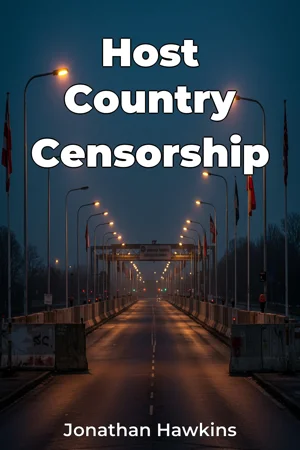
Can knowing where you stand on LGBTQ rights truly prepare you for travel abroad? "Host Country Censorship" delves into the complex landscape of content restrictions faced by LGBTQ travelers, exploring how laws and cultural norms regarding literature, websites, and social media access vary significantly across the globe, and the practical implications for those planning international trips. This book addresses key topics: the legal censorship of LGBTQ-related content, the self-censorship practices adopted by travelers, and the impact of these restrictions on personal safety and freedom of expression. These topics are critical because, while global acceptance of LGBTQ rights has increased in some regions, many countries still criminalize or severely restrict the expression of LGBTQ identities, making it essential for travelers to understand the risks involved. Understanding historical contexts is crucial. Many countries' laws reflect colonial-era legislation or religious conservatism that continues to suppress LGBTQ rights. Socially, varying degrees of acceptance or rejection of LGBTQ identities are influenced by cultural traditions, religious beliefs, and political ideologies. Therefore, travelers must be aware of the specific historical and social environments of their destinations to avoid inadvertent violations of local laws or customs. The central argument of this book is that a comprehensive understanding of a host country's censorship policies and cultural attitudes towards LGBTQ content is vital for ensuring the safety and well-being of LGBTQ travelers, as well as for promoting informed and responsible travel practices. This argument is important because it moves beyond simple awareness to actionable knowledge that can empower individuals to navigate potentially hostile environments. "Host Country Censorship" unfolds logically, beginning with an introduction to the core concepts of censorship, LGBTQ rights, and international travel. It clarifies the legal framework in various countries, detailing which nations have explicit laws restricting LGBTQ content and how these laws are enforced. The book then develops its argument through three major sections. The first examines the legal landscape, providing case studies of countries with stringent censorship laws and analyzing the rationale behind these regulations. The second delves into the digital sphere, assessing how governments monitor and restrict internet access, block websites, and surveil social media activity that promotes or discusses LGBTQ issues. The third explores the personal impact of censorship, sharing anecdotes and experiences of LGBTQ travelers who have encountered difficulties or dangers due to content restrictions. The culmination of the argument lies in offering practical strategies for travelers to mitigate risks, including using VPNs, practicing self-censorship when necessary, and accessing offline resources for information and support. The book relies on a variety of evidence, including legal documents, governmental reports, academic research, and firsthand accounts from LGBTQ travelers and human rights organizations. Unique data sources include analyses of internet censorship practices in different countries, drawing from reports by organizations such as Freedom House and Reporters Without Borders, as well as interviews with individuals who have directly experienced censorship while traveling. "Host Country Censorship" connects to several other fields. It draws from political science to understand the motivations behind censorship laws, from sociology to analyze the cultural contexts that shape attitudes towards LGBTQ rights, and from international relations to explore the role of human rights organizations in advocating for LGBTQ equality. These interdisciplinary connections enrich the book's argument by providing a more holistic understanding of the complexities involved. This book adopts a fact-based and analytical writing style, carefully presenting information without sensationalizing or oversimplifying the issues. The tone is informative and empathetic, acknowledging the challenges faced by LGBTQ travelers while offering practical advice and resources. The target audience includes LGBTQ individuals who travel internationally, as well as travel professionals, human rights advocates, and policymakers interested in promoting safe and inclusive travel. As a work of non-fiction in the genres of Politics and Travel, "Host Country Censorship" seeks to provide reliable and actionable information rather than offering personal opinions or fictional narratives. It focuses on presenting a clear and balanced overview of the topic. The book's scope is intentionally limited to addressing content restrictions and their impact on LGBTQ travelers, omitting broader discussions of discrimination or other human rights issues. The information can be applied practically by travelers planning international trips, enabling them to make informed decisions about their destinations, prepare for potential challenges, and navigate restrictive environments safely and responsibly. The book also addresses ongoing debates surrounding freedom of expression, government censorship, and the balance between national sovereignty and international human rights standards, offering a nuanced perspective on these complex issues.
Can knowing where you stand on LGBTQ rights truly prepare you for travel abroad? "Host Country Censorship" delves into the complex landscape of content restrictions faced by LGBTQ travelers, exploring how laws and cultural norms regarding literature, websites, and social media access vary significantly across the globe, and the practical implications for those planning international trips. This book addresses key topics: the legal censorship of LGBTQ-related content, the self-censorship practices adopted by travelers, and the impact of these restrictions on personal safety and freedom of expression. These topics are critical because, while global acceptance of LGBTQ rights has increased in some regions, many countries still criminalize or severely restrict the expression of LGBTQ identities, making it essential for travelers to understand the risks involved. Understanding historical contexts is crucial. Many countries' laws reflect colonial-era legislation or religious conservatism that continues to suppress LGBTQ rights. Socially, varying degrees of acceptance or rejection of LGBTQ identities are influenced by cultural traditions, religious beliefs, and political ideologies. Therefore, travelers must be aware of the specific historical and social environments of their destinations to avoid inadvertent violations of local laws or customs. The central argument of this book is that a comprehensive understanding of a host country's censorship policies and cultural attitudes towards LGBTQ content is vital for ensuring the safety and well-being of LGBTQ travelers, as well as for promoting informed and responsible travel practices. This argument is important because it moves beyond simple awareness to actionable knowledge that can empower individuals to navigate potentially hostile environments. "Host Country Censorship" unfolds logically, beginning with an introduction to the core concepts of censorship, LGBTQ rights, and international travel. It clarifies the legal framework in various countries, detailing which nations have explicit laws restricting LGBTQ content and how these laws are enforced. The book then develops its argument through three major sections. The first examines the legal landscape, providing case studies of countries with stringent censorship laws and analyzing the rationale behind these regulations. The second delves into the digital sphere, assessing how governments monitor and restrict internet access, block websites, and surveil social media activity that promotes or discusses LGBTQ issues. The third explores the personal impact of censorship, sharing anecdotes and experiences of LGBTQ travelers who have encountered difficulties or dangers due to content restrictions. The culmination of the argument lies in offering practical strategies for travelers to mitigate risks, including using VPNs, practicing self-censorship when necessary, and accessing offline resources for information and support. The book relies on a variety of evidence, including legal documents, governmental reports, academic research, and firsthand accounts from LGBTQ travelers and human rights organizations. Unique data sources include analyses of internet censorship practices in different countries, drawing from reports by organizations such as Freedom House and Reporters Without Borders, as well as interviews with individuals who have directly experienced censorship while traveling. "Host Country Censorship" connects to several other fields. It draws from political science to understand the motivations behind censorship laws, from sociology to analyze the cultural contexts that shape attitudes towards LGBTQ rights, and from international relations to explore the role of human rights organizations in advocating for LGBTQ equality. These interdisciplinary connections enrich the book's argument by providing a more holistic understanding of the complexities involved. This book adopts a fact-based and analytical writing style, carefully presenting information without sensationalizing or oversimplifying the issues. The tone is informative and empathetic, acknowledging the challenges faced by LGBTQ travelers while offering practical advice and resources. The target audience includes LGBTQ individuals who travel internationally, as well as travel professionals, human rights advocates, and policymakers interested in promoting safe and inclusive travel. As a work of non-fiction in the genres of Politics and Travel, "Host Country Censorship" seeks to provide reliable and actionable information rather than offering personal opinions or fictional narratives. It focuses on presenting a clear and balanced overview of the topic. The book's scope is intentionally limited to addressing content restrictions and their impact on LGBTQ travelers, omitting broader discussions of discrimination or other human rights issues. The information can be applied practically by travelers planning international trips, enabling them to make informed decisions about their destinations, prepare for potential challenges, and navigate restrictive environments safely and responsibly. The book also addresses ongoing debates surrounding freedom of expression, government censorship, and the balance between national sovereignty and international human rights standards, offering a nuanced perspective on these complex issues.
"Host Country Censorship" examines the often-overlooked challenges LGBTQ travelers face regarding content restrictions abroad. It highlights how censorship, influenced by political and cultural norms, impacts access to information and personal safety. Many countries still have laws rooted in colonial-era or religious conservatism that suppress LGBTQ rights, creating a landscape where travelers must be acutely aware of local laws and customs. Understanding these restrictions is crucial for ensuring safe and responsible travel. The book explores censorship's legal and digital dimensions. It investigates how governments monitor internet access, restrict LGBTQ-related websites, and surveil social media. Personal stories illustrate the real-world dangers travelers face due to content restrictions. Ultimately, it provides practical strategies like using VPNs and practicing self-censorship to mitigate risks, empowering travelers to navigate potentially hostile environments. The book progresses logically, starting with core concepts and legal frameworks, then delving into digital censorship and its personal impact, and concludes with actionable strategies for safe travel. By blending legal analysis, cultural insights, and personal anecdotes, "Host Country Censorship" offers a comprehensive guide for LGBTQ travelers navigating a world with varying degrees of acceptance and freedom of expression.
Book Details
ISBN
9788235247384
Publisher
Publifye AS
Your Licenses
You don't own any licenses for this book
Purchase a license below to unlock this book and download the EPUB.
Purchase License
Select a tier to unlock this book
Need bulk licensing?
Contact us for enterprise agreements.