
About This Book
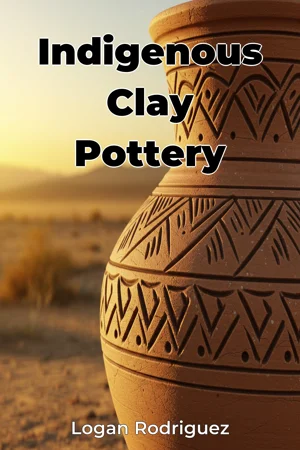
Have you ever considered the profound stories held within a simple clay pot? This book, 'Indigenous Clay Pottery,' delves into the rich history and multifaceted role of clay pottery as it was crafted and utilized by indigenous cultures across the globe. It explores the intricate techniques, artistic designs, and essential functional applications of this ancient craft for cooking, storage, and trade. We will examine how clay pottery served as a cornerstone of daily life for numerous indigenous communities. The book is structured around three key themes: the evolution of pottery-making techniques, the cultural significance embedded in pottery designs, and the practical applications of pottery in indigenous societies. These themes are central to understanding the integral role of clay in shaping these cultures. Understanding the socio-historical context is crucial. We will navigate the timelines of various indigenous groups, from the Americas to Africa and Asia, to understand how their environments and societal structures influenced their pottery traditions. Readers will benefit from a basic understanding of archaeological methods and anthropological concepts. The central thesis posits that indigenous clay pottery is far more than just utilitarian objects; they are tangible expressions of cultural identity, technological innovation, and ecological adaptation. This argument is crucial because it challenges the often-overlooked ingenuity and resourcefulness of indigenous cultures. 'Indigenous Clay Pottery' is organized to provide a comprehensive understanding of the subject. First, the book introduces the raw materials, tools, and fundamental techniques involved in creating clay pottery, tracing the evolution of these processes across different regions and time periods. Second, we investigate the symbolism and artistic expression found within indigenous pottery designs, analyzing motifs, patterns, and forms as reflections of cultural beliefs and social structures. Third, the book explores the practical applications of clay pottery, focusing on its use in cooking, food storage, water conservation, and trade. Finally, the book culminates by examining the contemporary relevance of indigenous pottery traditions and their potential for sustainable practices. The arguments presented will be supported by archaeological findings, ethnographic studies, and analyses of existing pottery collections from around the world. The book will also draw on oral histories and interviews with contemporary indigenous potters, providing firsthand accounts and insights into living traditions. This study of indigenous clay pottery connects to several disciplines, including archaeology, anthropology, art history, and environmental studies. By examining the environmental knowledge embedded in pottery techniques and using pottery as a lens to understand cultural exchange, the book enhances the understanding of human history and creativity. This book stands out by providing an interdisciplinary approach that combines archaeological data with indigenous perspectives. It aims to decolonize the study of pottery by centering indigenous voices and interpretations. The tone adopted is scholarly yet accessible, aiming to engage both academic researchers and general readers interested in indigenous cultures and material culture. The writing style balances detailed analysis with clear explanations, making complex concepts understandable to a broad audience. 'Indigenous Clay Pottery' is intended for historians, anthropologists, archaeologists, art enthusiasts, and anyone interested in learning about indigenous cultures. It will be valuable to those looking to broaden their understanding of material culture and indigenous histories. As non-fiction, the book adheres to the conventions of historical and anthropological scholarship, emphasizing accuracy, evidence-based arguments, and ethical engagement with indigenous communities. The scope will encompass a wide variety of indigenous pottery traditions from different continents and time periods, but will necessarily focus on those with the most readily available research and documentation. It acknowledges the limitations of a single volume and encourages further research into specific regional traditions. The knowledge gained from this book can be applied practically in several ways. It promotes cultural preservation by raising awareness of indigenous pottery traditions. It informs sustainable design by highlighting the ecological wisdom embedded in indigenous pottery techniques. It encourages cross-cultural understanding by fostering appreciation for the diverse ways humans interact with their environments and express their cultural identities. The book addresses debates surrounding the interpretation of archaeological evidence and the representation of indigenous cultures. It seeks to present a nuanced and respectful portrayal of indigenous pottery traditions, acknowledging the complexities and ongoing dialogues within the field.
Have you ever considered the profound stories held within a simple clay pot? This book, 'Indigenous Clay Pottery,' delves into the rich history and multifaceted role of clay pottery as it was crafted and utilized by indigenous cultures across the globe. It explores the intricate techniques, artistic designs, and essential functional applications of this ancient craft for cooking, storage, and trade. We will examine how clay pottery served as a cornerstone of daily life for numerous indigenous communities. The book is structured around three key themes: the evolution of pottery-making techniques, the cultural significance embedded in pottery designs, and the practical applications of pottery in indigenous societies. These themes are central to understanding the integral role of clay in shaping these cultures. Understanding the socio-historical context is crucial. We will navigate the timelines of various indigenous groups, from the Americas to Africa and Asia, to understand how their environments and societal structures influenced their pottery traditions. Readers will benefit from a basic understanding of archaeological methods and anthropological concepts. The central thesis posits that indigenous clay pottery is far more than just utilitarian objects; they are tangible expressions of cultural identity, technological innovation, and ecological adaptation. This argument is crucial because it challenges the often-overlooked ingenuity and resourcefulness of indigenous cultures. 'Indigenous Clay Pottery' is organized to provide a comprehensive understanding of the subject. First, the book introduces the raw materials, tools, and fundamental techniques involved in creating clay pottery, tracing the evolution of these processes across different regions and time periods. Second, we investigate the symbolism and artistic expression found within indigenous pottery designs, analyzing motifs, patterns, and forms as reflections of cultural beliefs and social structures. Third, the book explores the practical applications of clay pottery, focusing on its use in cooking, food storage, water conservation, and trade. Finally, the book culminates by examining the contemporary relevance of indigenous pottery traditions and their potential for sustainable practices. The arguments presented will be supported by archaeological findings, ethnographic studies, and analyses of existing pottery collections from around the world. The book will also draw on oral histories and interviews with contemporary indigenous potters, providing firsthand accounts and insights into living traditions. This study of indigenous clay pottery connects to several disciplines, including archaeology, anthropology, art history, and environmental studies. By examining the environmental knowledge embedded in pottery techniques and using pottery as a lens to understand cultural exchange, the book enhances the understanding of human history and creativity. This book stands out by providing an interdisciplinary approach that combines archaeological data with indigenous perspectives. It aims to decolonize the study of pottery by centering indigenous voices and interpretations. The tone adopted is scholarly yet accessible, aiming to engage both academic researchers and general readers interested in indigenous cultures and material culture. The writing style balances detailed analysis with clear explanations, making complex concepts understandable to a broad audience. 'Indigenous Clay Pottery' is intended for historians, anthropologists, archaeologists, art enthusiasts, and anyone interested in learning about indigenous cultures. It will be valuable to those looking to broaden their understanding of material culture and indigenous histories. As non-fiction, the book adheres to the conventions of historical and anthropological scholarship, emphasizing accuracy, evidence-based arguments, and ethical engagement with indigenous communities. The scope will encompass a wide variety of indigenous pottery traditions from different continents and time periods, but will necessarily focus on those with the most readily available research and documentation. It acknowledges the limitations of a single volume and encourages further research into specific regional traditions. The knowledge gained from this book can be applied practically in several ways. It promotes cultural preservation by raising awareness of indigenous pottery traditions. It informs sustainable design by highlighting the ecological wisdom embedded in indigenous pottery techniques. It encourages cross-cultural understanding by fostering appreciation for the diverse ways humans interact with their environments and express their cultural identities. The book addresses debates surrounding the interpretation of archaeological evidence and the representation of indigenous cultures. It seeks to present a nuanced and respectful portrayal of indigenous pottery traditions, acknowledging the complexities and ongoing dialogues within the field.
"Indigenous Clay Pottery" explores the profound connection between indigenous cultures and their clay pottery traditions, revealing these objects as more than just utilitarian items. The book examines pottery as tangible expressions of cultural identity, technological innovation, and ecological adaptation across diverse communities globally. From the Americas to Africa and Asia, the book traces the evolution of pottery-making techniques, highlighting how environmental factors and social structures influenced these traditions. One intriguing aspect is the role of pottery designs, where motifs, patterns, and forms reflect cultural beliefs and social structures. The book's approach is interdisciplinary, combining archaeological findings, ethnographic studies, and indigenous perspectives to decolonize the study of pottery. It begins by introducing the raw materials, tools, and fundamental techniques, then delves into the symbolism and artistic expression within pottery designs. Finally, it explores the practical applications of clay pottery, such as cooking, food storage, and trade, emphasizing its contemporary relevance and potential for sustainable practices. It argues that pottery served as a cornerstone of daily life, with some cultures utilizing specific clay mixtures for water conservation in arid environments.
Book Details
ISBN
9788235247278
Publisher
Publifye AS
Your Licenses
You don't own any licenses for this book
Purchase a license below to unlock this book and download the EPUB.
Purchase License
Select a tier to unlock this book
Need bulk licensing?
Contact us for enterprise agreements.