
About This Book
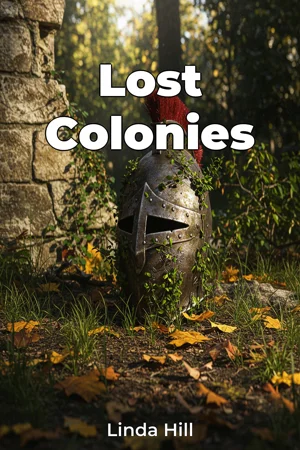
What became of the first Europeans who dared to plant their flags in the New World? *Lost Colonies* delves into the fraught, sometimes tragic, and often baffling stories of early European attempts at colonization in the Americas. It focuses on the precariousness of these ventures, the forces that worked against them, and the enduring mysteries surrounding their ultimate failures. This book examines two central themes: first, the brutal realities of early colonial life, including disease, starvation, and conflict with indigenous populations. Second, it explores the often-incomplete or contradictory historical records that shroud these settlements, leaving many questions unanswered. These topics are crucial because understanding the early colonial period reveals the complex and often violent foundations upon which later American societies were built. These trials shed light on human resilience, cultural clashes, and the perils of unchecked ambition. To fully grasp the challenges faced by these colonists, one must understand the relevant historical context: the political landscape of Europe in the 15th, 16th, and 17th centuries, the prevailing worldview that fueled exploration, and the ecological realities of the Americas. The driving thesis of *Lost Colonies* is that the failures of these early settlements were not simply isolated incidents of misfortune, but rather a consequence of systemic issues: inadequate planning, flawed assumptions about the New World, and a fundamental misunderstanding of the indigenous peoples and their societies. This argument is important because it challenges romanticized notions of colonial history, offering a more nuanced and realistic portrayal. The book is structured to guide the reader through this complex history. It begins by introducing the major players – England, Spain, France, and others– and their initial motivations for exploration and colonization. It dedicates chapters to specific case studies, such as the Roanoke Colony, the French settlement at Charlesfort, and the Spanish colony of San Miguel de Gualdape. Each case study meticulously examines the known facts surrounding each settlement, the factors contributing to its demise, and the evidence suggesting what may have transpired. The book synthesizes this information to extract common threads and overarching lessons, demonstrating how the early colonial failures inevitably shaped later colonial endeavors, and concludes by considering the lasting impact of these "lost" colonies on the cultural and historical landscape of North America. The book draws upon a wide range of primary and secondary sources, including colonial records, archaeological findings, personal accounts, and anthropological studies. The analysis of newly available archaeological data is particularly emphasized. *Lost Colonies* operates at the intersection of history, archaeology, and anthropology, offering a holistic view of complex historical events. By integrating archaeological findings with traditional historical narratives, it provides tangible evidence that complements and sometimes challenges written accounts. Furthermore, by considering the anthropological perspective of the indigenous peoples involved, the book seeks to offer a more balanced and comprehensive understanding of these colonial encounters. This book distinguishes itself through its emphasis on the ‘mystery’ element of these settlements. While academic rigor is important, it presents these cases as intriguing and unsolved puzzles in history. Written in an accessible and engaging style, *Lost Colonies* is aimed at general readers interested in history, mystery, and the untold stories of the Americas. It will also appeal to students and researchers looking for a comprehensive and up-to-date overview of this topic. As a work of history, *Lost Colonies* adheres to the conventions of factual accuracy, proper citation, and objective analysis. While it acknowledges the inherent uncertainties of historical interpretation, it strives to present a balanced and evidence-based account. The scope of *Lost Colonies* is limited to the early colonial period of the Americas, roughly from the late 15th century to the early 17th century. While it acknowledges the broader context of European colonialism, it focuses specifically on those early ventures that ended in failure or abandonment. The lessons gleaned from these early colonial failures can be applied to contemporary issues such as international development, cross-cultural relations, and risk management. By understanding the pitfalls of past endeavors, we can avoid repeating them in the present. Many of these colonial ventures are subjects of debate among historians and archaeologists. This book will acknowledge these controversies.
What became of the first Europeans who dared to plant their flags in the New World? *Lost Colonies* delves into the fraught, sometimes tragic, and often baffling stories of early European attempts at colonization in the Americas. It focuses on the precariousness of these ventures, the forces that worked against them, and the enduring mysteries surrounding their ultimate failures. This book examines two central themes: first, the brutal realities of early colonial life, including disease, starvation, and conflict with indigenous populations. Second, it explores the often-incomplete or contradictory historical records that shroud these settlements, leaving many questions unanswered. These topics are crucial because understanding the early colonial period reveals the complex and often violent foundations upon which later American societies were built. These trials shed light on human resilience, cultural clashes, and the perils of unchecked ambition. To fully grasp the challenges faced by these colonists, one must understand the relevant historical context: the political landscape of Europe in the 15th, 16th, and 17th centuries, the prevailing worldview that fueled exploration, and the ecological realities of the Americas. The driving thesis of *Lost Colonies* is that the failures of these early settlements were not simply isolated incidents of misfortune, but rather a consequence of systemic issues: inadequate planning, flawed assumptions about the New World, and a fundamental misunderstanding of the indigenous peoples and their societies. This argument is important because it challenges romanticized notions of colonial history, offering a more nuanced and realistic portrayal. The book is structured to guide the reader through this complex history. It begins by introducing the major players – England, Spain, France, and others– and their initial motivations for exploration and colonization. It dedicates chapters to specific case studies, such as the Roanoke Colony, the French settlement at Charlesfort, and the Spanish colony of San Miguel de Gualdape. Each case study meticulously examines the known facts surrounding each settlement, the factors contributing to its demise, and the evidence suggesting what may have transpired. The book synthesizes this information to extract common threads and overarching lessons, demonstrating how the early colonial failures inevitably shaped later colonial endeavors, and concludes by considering the lasting impact of these "lost" colonies on the cultural and historical landscape of North America. The book draws upon a wide range of primary and secondary sources, including colonial records, archaeological findings, personal accounts, and anthropological studies. The analysis of newly available archaeological data is particularly emphasized. *Lost Colonies* operates at the intersection of history, archaeology, and anthropology, offering a holistic view of complex historical events. By integrating archaeological findings with traditional historical narratives, it provides tangible evidence that complements and sometimes challenges written accounts. Furthermore, by considering the anthropological perspective of the indigenous peoples involved, the book seeks to offer a more balanced and comprehensive understanding of these colonial encounters. This book distinguishes itself through its emphasis on the ‘mystery’ element of these settlements. While academic rigor is important, it presents these cases as intriguing and unsolved puzzles in history. Written in an accessible and engaging style, *Lost Colonies* is aimed at general readers interested in history, mystery, and the untold stories of the Americas. It will also appeal to students and researchers looking for a comprehensive and up-to-date overview of this topic. As a work of history, *Lost Colonies* adheres to the conventions of factual accuracy, proper citation, and objective analysis. While it acknowledges the inherent uncertainties of historical interpretation, it strives to present a balanced and evidence-based account. The scope of *Lost Colonies* is limited to the early colonial period of the Americas, roughly from the late 15th century to the early 17th century. While it acknowledges the broader context of European colonialism, it focuses specifically on those early ventures that ended in failure or abandonment. The lessons gleaned from these early colonial failures can be applied to contemporary issues such as international development, cross-cultural relations, and risk management. By understanding the pitfalls of past endeavors, we can avoid repeating them in the present. Many of these colonial ventures are subjects of debate among historians and archaeologists. This book will acknowledge these controversies.
*Lost Colonies* explores the enigmatic fates of early European settlements in the Americas, focusing on the precarious nature of colonial life and the historical mysteries surrounding their disappearances. The book examines the harsh realities faced by colonists, such as disease and conflict with indigenous peoples, and delves into how incomplete records contribute to unanswered questions. For example, the Roanoke Colony vanished leaving behind only the cryptic word "Croatoan," and the Spanish colony of San Miguel de Gualdape, one of the earliest European attempts at settlement in North America, quickly dissolved due to disease, famine, and internal conflict. The book analyzes these colonial ventures as not merely isolated incidents but as consequences of systemic issues like inadequate planning and misunderstandings of the New World and its inhabitants. Chapters are dedicated to specific case studies, including Charlesfort, meticulously examining the known facts, demise factors, and evidence suggesting what may have happened. By integrating historical narratives with archaeological findings and anthropological perspectives, *Lost Colonies* provides a more holistic understanding of these colonial encounters. The book progresses by first introducing the major European powers and their motivations, then examining specific colonial failures, and finally drawing overarching lessons from these experiences.
Book Details
ISBN
9788235247216
Publisher
Publifye AS
Your Licenses
You don't own any licenses for this book
Purchase a license below to unlock this book and download the EPUB.
Purchase License
Select a tier to unlock this book
Need bulk licensing?
Contact us for enterprise agreements.