
About This Book
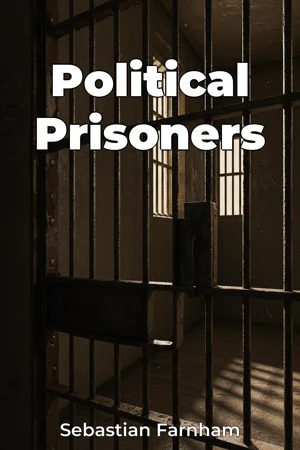
What does it mean to be silenced, imprisoned for one's beliefs, and yet to ignite movements that reshape the course of history? "Political Prisoners" delves into the compelling and often harrowing stories of individuals who have been incarcerated for their political convictions, examining the conditions of their imprisonment and their profound impact on resistance movements worldwide. This book is vital because it sheds light on the human cost of political repression and the enduring power of the human spirit. This study explores three core themes: the diverse experiences of political prisoners across various historical and cultural contexts, the tangible realities of their confinement, and the ways in which their struggles have fueled and shaped resistance movements. Understanding these themes is crucial for comprehending the dynamics of political dissent, state power, and social change. To provide context, "Political Prisoners" draws upon a multidisciplinary approach, integrating historical analysis with sociological and political science perspectives. It presumes the reader has a basic understanding of 20th and 21st-century political history, including major social movements and geopolitical events. The central argument of "Political Prisoners" is that the experiences of these individuals, while diverse, reveal consistent patterns of state control, resilience, and the transformative potential of resistance. Their imprisonment, intended to silence dissent, often inadvertently amplifies their voices and galvanizes broader movements for social and political change. This argument is significant because it challenges conventional narratives of power and highlights the agency of individuals in the face of oppression. "Political Prisoners" is structured to provide a comprehensive overview of the topic. It begins by introducing the concept of political imprisonment, defining key terms, and establishing a theoretical framework. The book then moves into a detailed examination of case studies, organized around key historical periods and geopolitical regions. These case studies illustrate the diverse conditions of imprisonment and the varied forms of resistance employed by political prisoners. Following this, the book synthesizes the case studies to identify common themes and patterns, exploring the psychological impact of imprisonment, the role of international advocacy, and the long-term consequences of political incarceration on individuals and societies. The book culminates in a discussion of the implications of these findings for contemporary political activism and human rights advocacy. The book relies on a wide range of evidence, including primary source materials such as letters, diaries, and memoirs of political prisoners; reports from human rights organizations; and government documents. It also incorporates secondary scholarship from history, political science, sociology, and legal studies. Unique data sources include oral histories collected from former political prisoners and their families, providing intimate and often untold accounts of their experiences. "Political Prisoners" intersects with several other fields of study, including human rights law, social movement theory, and postcolonial studies. These interdisciplinary connections enrich the book's analysis by providing diverse perspectives on the causes and consequences of political imprisonment. This book offers a nuanced perspective by focusing on the lived experiences of political prisoners, rather than solely on the political ideologies they represent. It moves beyond a purely legal or political analysis to explore the human dimensions of political repression. The tone is scholarly but accessible, aiming to engage both academic and general readers. The writing style is clear, concise, and empathetic. The target audience includes students and scholars of history, political science, sociology, and human rights, as well as activists, journalists, and anyone interested in understanding the dynamics of political dissent and resistance. The book offers valuable insights into the human cost of political repression and the enduring power of the human spirit. As a work of non-fiction, "Political Prisoners" adheres to the principles of accuracy, objectivity, and evidence-based analysis. It strives to present a balanced and nuanced account of a complex and often controversial topic. While the book aims to provide a global perspective on political imprisonment, it acknowledges that it cannot cover every case or region in exhaustive detail. The focus is on providing representative examples that illustrate key themes and patterns. The information presented in "Political Prisoners" can be applied practically by readers in various ways, including informing advocacy efforts, promoting human rights awareness, and supporting organizations that work to protect political prisoners. The issue of political imprisonment is often intertwined with debates about the definition of "political prisoner" and the legitimacy of state power. This book engages with these debates by presenting diverse perspectives and encouraging critical reflection on the relationship between the individual and the state.
What does it mean to be silenced, imprisoned for one's beliefs, and yet to ignite movements that reshape the course of history? "Political Prisoners" delves into the compelling and often harrowing stories of individuals who have been incarcerated for their political convictions, examining the conditions of their imprisonment and their profound impact on resistance movements worldwide. This book is vital because it sheds light on the human cost of political repression and the enduring power of the human spirit. This study explores three core themes: the diverse experiences of political prisoners across various historical and cultural contexts, the tangible realities of their confinement, and the ways in which their struggles have fueled and shaped resistance movements. Understanding these themes is crucial for comprehending the dynamics of political dissent, state power, and social change. To provide context, "Political Prisoners" draws upon a multidisciplinary approach, integrating historical analysis with sociological and political science perspectives. It presumes the reader has a basic understanding of 20th and 21st-century political history, including major social movements and geopolitical events. The central argument of "Political Prisoners" is that the experiences of these individuals, while diverse, reveal consistent patterns of state control, resilience, and the transformative potential of resistance. Their imprisonment, intended to silence dissent, often inadvertently amplifies their voices and galvanizes broader movements for social and political change. This argument is significant because it challenges conventional narratives of power and highlights the agency of individuals in the face of oppression. "Political Prisoners" is structured to provide a comprehensive overview of the topic. It begins by introducing the concept of political imprisonment, defining key terms, and establishing a theoretical framework. The book then moves into a detailed examination of case studies, organized around key historical periods and geopolitical regions. These case studies illustrate the diverse conditions of imprisonment and the varied forms of resistance employed by political prisoners. Following this, the book synthesizes the case studies to identify common themes and patterns, exploring the psychological impact of imprisonment, the role of international advocacy, and the long-term consequences of political incarceration on individuals and societies. The book culminates in a discussion of the implications of these findings for contemporary political activism and human rights advocacy. The book relies on a wide range of evidence, including primary source materials such as letters, diaries, and memoirs of political prisoners; reports from human rights organizations; and government documents. It also incorporates secondary scholarship from history, political science, sociology, and legal studies. Unique data sources include oral histories collected from former political prisoners and their families, providing intimate and often untold accounts of their experiences. "Political Prisoners" intersects with several other fields of study, including human rights law, social movement theory, and postcolonial studies. These interdisciplinary connections enrich the book's analysis by providing diverse perspectives on the causes and consequences of political imprisonment. This book offers a nuanced perspective by focusing on the lived experiences of political prisoners, rather than solely on the political ideologies they represent. It moves beyond a purely legal or political analysis to explore the human dimensions of political repression. The tone is scholarly but accessible, aiming to engage both academic and general readers. The writing style is clear, concise, and empathetic. The target audience includes students and scholars of history, political science, sociology, and human rights, as well as activists, journalists, and anyone interested in understanding the dynamics of political dissent and resistance. The book offers valuable insights into the human cost of political repression and the enduring power of the human spirit. As a work of non-fiction, "Political Prisoners" adheres to the principles of accuracy, objectivity, and evidence-based analysis. It strives to present a balanced and nuanced account of a complex and often controversial topic. While the book aims to provide a global perspective on political imprisonment, it acknowledges that it cannot cover every case or region in exhaustive detail. The focus is on providing representative examples that illustrate key themes and patterns. The information presented in "Political Prisoners" can be applied practically by readers in various ways, including informing advocacy efforts, promoting human rights awareness, and supporting organizations that work to protect political prisoners. The issue of political imprisonment is often intertwined with debates about the definition of "political prisoner" and the legitimacy of state power. This book engages with these debates by presenting diverse perspectives and encouraging critical reflection on the relationship between the individual and the state.
"Political Prisoners" explores the compelling stories of individuals imprisoned for their beliefs and their impact on resistance movements. It sheds light on the human cost of political repression, examining how imprisonment, intended to silence dissent, often amplifies voices and galvanizes social change. The book highlights the diverse experiences of political prisoners, illustrating the realities of their confinement and the ways their struggles have fueled resistance globally. The book offers a multidisciplinary approach, integrating historical analysis with sociological and political science perspectives. Organized around historical periods and geopolitical regions, case studies reveal patterns of state control and resilience. For example, primary source materials such as letters and diaries offer intimate accounts of these experiences, providing unique insights into the transformative potential of resistance movements. The study culminates in a discussion of implications for contemporary political activism and human rights advocacy. By focusing on lived experiences rather than solely political ideologies, "Political Prisoners" offers a nuanced perspective, making it valuable for students, scholars, activists, and anyone interested in understanding political dissent, state power, and social change.
Book Details
ISBN
9788235247056
Publisher
Publifye AS
Your Licenses
You don't own any licenses for this book
Purchase a license below to unlock this book and download the EPUB.
Purchase License
Select a tier to unlock this book
Need bulk licensing?
Contact us for enterprise agreements.