
About This Book
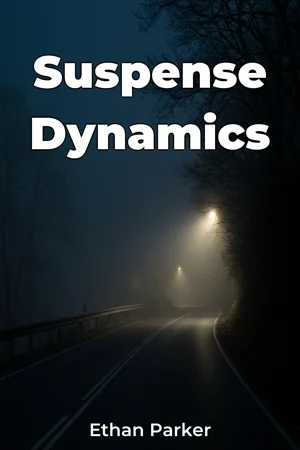
What distinguishes a captivating film or television show from one that fades into obscurity? The answer lies in the deliberate manipulation of suspense, a craft expertly explored in "Suspense Dynamics." This book delves into the core elements of timing, pacing, and uncertainty, revealing how they function as vital tools for maintaining intense reader engagement within both Film & Television and Language Arts General contexts. The significance of understanding these dynamics extends beyond mere appreciation; it provides practical insight for creators and analysts alike. "Suspense Dynamics" argues that skillful deployment of timing, pacing, and uncertainty can significantly impact how viewers or readers process and respond to narrative content. The book examines how these elements create emotional resonance, influence interpretation, and drive audience investment in a story. This is crucial because, in today's media landscape, capturing and retaining audience attention is more challenging than ever. A deep understanding of suspense dynamics allows creators to craft narratives that are inherently compelling. The book is structured to systematically explore these concepts. It begins by defining suspense itself, differentiating it from related emotional states like surprise and fear, and examining psychological underpinnings, drawing from research in cognitive psychology and media studies. Key concepts such as the "Zeigarnik effect" (the tendency to remember incomplete tasks better than completed ones) are introduced to provide a theoretical foundation. From there, "Suspense Dynamics" dedicates individual sections to each of the core elements: timing, pacing, and uncertainty. The section on timing analyzes how delayed reveals, strategic pauses, and the manipulation of duration can amplify suspense. The pacing section explores how the rate at which information is delivered influences viewer engagement, examining the use of accelerations and decelerations, and the impact of rhythm and tempo on emotional response. The uncertainty section investigates the power of ambiguity, misdirection, and incomplete information in generating suspense, with a focus on how these techniques create anticipation and fuel speculation. The arguments are supported by careful analysis of a diverse range of film and television examples, from classic thrillers to contemporary dramas. Frame-by-frame analyses demonstrate how specific directorial and writing choices contribute to heightened suspense. Furthermore, the book draws on audience reception studies to provide empirical evidence of how viewers respond to different suspense techniques. Interviews with industry professionals offer practical insights into how suspense is intentionally crafted in the creative process. The book makes interdisciplinary connections, drawing on both psychology and communication studies. Psychological principles assist in understanding how viewers process suspense, while communication theories explain how narrative structures convey suspenseful information. The book also connects to the field of game design, exploring how similar suspense dynamics are used to create engaging interactive experiences. "Suspense Dynamics" takes a practical approach. Each chapter concludes with actionable guidelines for writers, directors, and editors. These sections provide concrete strategies for applying the discussed principles to create more suspenseful narratives. The book addresses the ongoing debate about the role of predictability in suspense. While some argue that complete unpredictability is essential, "Suspense Dynamics" posits that a balance of the known and the unknown is more effective in creating lasting engagement. The target audience includes film students, aspiring screenwriters, television producers, and educators in film and language arts programs. The book offers valuable insights for anyone seeking to understand the mechanics of compelling storytelling. While the book focuses primarily on film and television narratives, its core principles could apply more broadly to other narrative forms, such as literature and video games. The tone of the book is educational and analytical, balancing academic rigor with accessibility. While the subject matter is complex, the writing style is clear and engaging, avoiding jargon where possible. "Suspense Dynamics" is intended to be a practical resource and a scholarly contribution to the field of media studies. It acknowledges the limitations of any single analysis, emphasizing the importance of context and audience in determining the effectiveness of specific suspense techniques.
What distinguishes a captivating film or television show from one that fades into obscurity? The answer lies in the deliberate manipulation of suspense, a craft expertly explored in "Suspense Dynamics." This book delves into the core elements of timing, pacing, and uncertainty, revealing how they function as vital tools for maintaining intense reader engagement within both Film & Television and Language Arts General contexts. The significance of understanding these dynamics extends beyond mere appreciation; it provides practical insight for creators and analysts alike. "Suspense Dynamics" argues that skillful deployment of timing, pacing, and uncertainty can significantly impact how viewers or readers process and respond to narrative content. The book examines how these elements create emotional resonance, influence interpretation, and drive audience investment in a story. This is crucial because, in today's media landscape, capturing and retaining audience attention is more challenging than ever. A deep understanding of suspense dynamics allows creators to craft narratives that are inherently compelling. The book is structured to systematically explore these concepts. It begins by defining suspense itself, differentiating it from related emotional states like surprise and fear, and examining psychological underpinnings, drawing from research in cognitive psychology and media studies. Key concepts such as the "Zeigarnik effect" (the tendency to remember incomplete tasks better than completed ones) are introduced to provide a theoretical foundation. From there, "Suspense Dynamics" dedicates individual sections to each of the core elements: timing, pacing, and uncertainty. The section on timing analyzes how delayed reveals, strategic pauses, and the manipulation of duration can amplify suspense. The pacing section explores how the rate at which information is delivered influences viewer engagement, examining the use of accelerations and decelerations, and the impact of rhythm and tempo on emotional response. The uncertainty section investigates the power of ambiguity, misdirection, and incomplete information in generating suspense, with a focus on how these techniques create anticipation and fuel speculation. The arguments are supported by careful analysis of a diverse range of film and television examples, from classic thrillers to contemporary dramas. Frame-by-frame analyses demonstrate how specific directorial and writing choices contribute to heightened suspense. Furthermore, the book draws on audience reception studies to provide empirical evidence of how viewers respond to different suspense techniques. Interviews with industry professionals offer practical insights into how suspense is intentionally crafted in the creative process. The book makes interdisciplinary connections, drawing on both psychology and communication studies. Psychological principles assist in understanding how viewers process suspense, while communication theories explain how narrative structures convey suspenseful information. The book also connects to the field of game design, exploring how similar suspense dynamics are used to create engaging interactive experiences. "Suspense Dynamics" takes a practical approach. Each chapter concludes with actionable guidelines for writers, directors, and editors. These sections provide concrete strategies for applying the discussed principles to create more suspenseful narratives. The book addresses the ongoing debate about the role of predictability in suspense. While some argue that complete unpredictability is essential, "Suspense Dynamics" posits that a balance of the known and the unknown is more effective in creating lasting engagement. The target audience includes film students, aspiring screenwriters, television producers, and educators in film and language arts programs. The book offers valuable insights for anyone seeking to understand the mechanics of compelling storytelling. While the book focuses primarily on film and television narratives, its core principles could apply more broadly to other narrative forms, such as literature and video games. The tone of the book is educational and analytical, balancing academic rigor with accessibility. While the subject matter is complex, the writing style is clear and engaging, avoiding jargon where possible. "Suspense Dynamics" is intended to be a practical resource and a scholarly contribution to the field of media studies. It acknowledges the limitations of any single analysis, emphasizing the importance of context and audience in determining the effectiveness of specific suspense techniques.
"Suspense Dynamics" explores the art of captivating audiences through the strategic use of suspense in film and television. It argues that timing, pacing, and uncertainty are vital tools for narrative engagement. The book delves into how these elements shape emotional responses and drive audience investment, offering insights applicable to both Film & Television and Language Arts General contexts. For example, the book highlights how delayed reveals and strategic pauses can dramatically amplify suspense, keeping viewers on the edge of their seats. The book systematically dissects each core element of suspense. It examines how the rate of information delivery, or pacing, influences viewer engagement and how uncertainty, achieved through ambiguity and misdirection, fuels anticipation. Drawing from psychology and communication studies, "Suspense Dynamics" analyzes the Zeigarnik effect. It also provides actionable guidelines for writers, directors, and editors, demonstrating how to apply these principles in practice. Through diverse film and television examples and frame-by-frame analyses, the book illustrates how specific directorial and writing choices contribute to heightened suspense. It also incorporates audience reception studies and interviews with industry professionals to offer practical insights. The book progresses from defining suspense and its psychological underpinnings to exploring timing, pacing, and uncertainty, ultimately providing a comprehensive understanding of how to craft compelling narratives.
Book Details
ISBN
9788235246950
Publisher
Publifye AS
Your Licenses
You don't own any licenses for this book
Purchase a license below to unlock this book and download the EPUB.
Purchase License
Select a tier to unlock this book
Need bulk licensing?
Contact us for enterprise agreements.