
About This Book
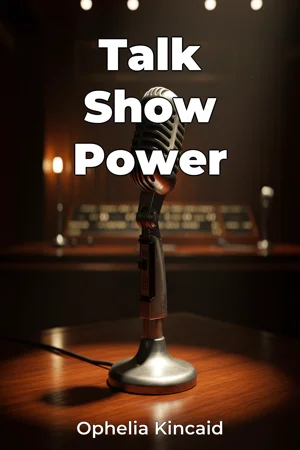
Have you ever considered the subtle yet pervasive influence of talk shows on the very fabric of our society? "Talk Show Power" delves into the multifaceted world of talk shows, examining how these programs shape public opinion, dictate trends, and meticulously manage celebrity interviews for maximum ratings impact. This book is essential for anyone seeking to understand the powerful forces at play behind the seemingly casual conversations broadcast into our homes daily. We explore two fundamental areas: the political sway wielded by talk show hosts and the strategies employed to amplify audience engagement and ratings through celebrity appearances. These areas are vital because talk shows have become integral platforms for political discourse and cultural exchange, often circumventing traditional news channels to deliver information and opinions directly to viewers. To fully appreciate the power dynamics at work, we consider the historical evolution of talk shows. From their radio beginnings to their current dominance across television and digital platforms, we trace their increasing sophistication and influence. A basic understanding of media studies and political communication is helpful, but our analysis remains accessible to all interested readers. At the heart of "Talk Show Power" lies the argument that talk shows are not merely entertainment; they are significant instruments of influence that subtly shape public perception and drive cultural trends. This influence operates through carefully curated narratives and strategically managed celebrity appearances. This is important because recognizing these mechanisms allows for a more critical and informed engagement with media content. The book's structure unfolds in distinct stages. First, we introduce the core concepts of media influence and audience engagement. Next, we examine the use of talk shows as platforms for political messaging, analyzing how hosts frame debates and influence voter sentiment with examples of successful, and unsuccessful, political interviews. Then we dissect the art of the celebrity interview, revealing how publicists and show producers collaborate to craft carefully constructed narratives. Finally, we consider the ethical implications of these practices and discuss potential avenues for individuals to become more discerning media consumers. To support our arguments, we draw upon a range of evidence including quantitative audience research data, qualitative content analysis of talk show transcripts, and case studies of specific interviews and media events. We will present original data from surveys and focus groups, offering unique insights into audience perceptions of talk shows and their hosts. "Talk Show Power" connects to several other disciplines including sociology, marketing, and public relations. The book's analysis of media effects relates directly to sociological studies of cultural norms and values. Our analysis of celebrity interviews also overlaps with marketing and public relations strategies employed to enhance brand image and manage public perception. What sets "Talk Show Power" apart is its rigorous examination of the strategic partnerships between talk show hosts, political figures, and celebrities. We offer a fresh perspective by highlighting how these collaborations are often mutually beneficial, with each party leveraging the platform to advance their respective goals. Our approach is fact-based and analytical, avoiding sensationalism and hyperbole. The writing style is accessible, aiming to inform and engage a broad readership without sacrificing academic rigor. The book targets students of media studies, political science, and communication, as well as general readers interested in understanding the forces shaping public opinion in the modern media landscape. Anyone who watches talk shows or follows celebrity culture will find this book valuable for its insights into the hidden dynamics at play. As a work in the genres of Film & Television and Politics, "Talk Show Power" adheres to the conventions of non-fiction scholarship, including rigorous research, clear argumentation, and comprehensive sourcing. The book's scope is intentionally limited to contemporary talk shows in the United States, although we acknowledge the global reach and influence of similar programs in other countries. This focus allows for a deeper and more nuanced analysis. The information in "Talk Show Power" can be applied practically by readers to become more critical consumers of media. By understanding the strategies and tactics employed by talk show hosts and their guests, individuals can better assess the validity and bias of information presented on these platforms. Finally, the book addresses ongoing debates about the role of media in shaping political discourse and influencing public opinion. We offer a balanced perspective, acknowledging both the potential benefits and the potential dangers of talk show power.
Have you ever considered the subtle yet pervasive influence of talk shows on the very fabric of our society? "Talk Show Power" delves into the multifaceted world of talk shows, examining how these programs shape public opinion, dictate trends, and meticulously manage celebrity interviews for maximum ratings impact. This book is essential for anyone seeking to understand the powerful forces at play behind the seemingly casual conversations broadcast into our homes daily. We explore two fundamental areas: the political sway wielded by talk show hosts and the strategies employed to amplify audience engagement and ratings through celebrity appearances. These areas are vital because talk shows have become integral platforms for political discourse and cultural exchange, often circumventing traditional news channels to deliver information and opinions directly to viewers. To fully appreciate the power dynamics at work, we consider the historical evolution of talk shows. From their radio beginnings to their current dominance across television and digital platforms, we trace their increasing sophistication and influence. A basic understanding of media studies and political communication is helpful, but our analysis remains accessible to all interested readers. At the heart of "Talk Show Power" lies the argument that talk shows are not merely entertainment; they are significant instruments of influence that subtly shape public perception and drive cultural trends. This influence operates through carefully curated narratives and strategically managed celebrity appearances. This is important because recognizing these mechanisms allows for a more critical and informed engagement with media content. The book's structure unfolds in distinct stages. First, we introduce the core concepts of media influence and audience engagement. Next, we examine the use of talk shows as platforms for political messaging, analyzing how hosts frame debates and influence voter sentiment with examples of successful, and unsuccessful, political interviews. Then we dissect the art of the celebrity interview, revealing how publicists and show producers collaborate to craft carefully constructed narratives. Finally, we consider the ethical implications of these practices and discuss potential avenues for individuals to become more discerning media consumers. To support our arguments, we draw upon a range of evidence including quantitative audience research data, qualitative content analysis of talk show transcripts, and case studies of specific interviews and media events. We will present original data from surveys and focus groups, offering unique insights into audience perceptions of talk shows and their hosts. "Talk Show Power" connects to several other disciplines including sociology, marketing, and public relations. The book's analysis of media effects relates directly to sociological studies of cultural norms and values. Our analysis of celebrity interviews also overlaps with marketing and public relations strategies employed to enhance brand image and manage public perception. What sets "Talk Show Power" apart is its rigorous examination of the strategic partnerships between talk show hosts, political figures, and celebrities. We offer a fresh perspective by highlighting how these collaborations are often mutually beneficial, with each party leveraging the platform to advance their respective goals. Our approach is fact-based and analytical, avoiding sensationalism and hyperbole. The writing style is accessible, aiming to inform and engage a broad readership without sacrificing academic rigor. The book targets students of media studies, political science, and communication, as well as general readers interested in understanding the forces shaping public opinion in the modern media landscape. Anyone who watches talk shows or follows celebrity culture will find this book valuable for its insights into the hidden dynamics at play. As a work in the genres of Film & Television and Politics, "Talk Show Power" adheres to the conventions of non-fiction scholarship, including rigorous research, clear argumentation, and comprehensive sourcing. The book's scope is intentionally limited to contemporary talk shows in the United States, although we acknowledge the global reach and influence of similar programs in other countries. This focus allows for a deeper and more nuanced analysis. The information in "Talk Show Power" can be applied practically by readers to become more critical consumers of media. By understanding the strategies and tactics employed by talk show hosts and their guests, individuals can better assess the validity and bias of information presented on these platforms. Finally, the book addresses ongoing debates about the role of media in shaping political discourse and influencing public opinion. We offer a balanced perspective, acknowledging both the potential benefits and the potential dangers of talk show power.
"Talk Show Power" explores the pervasive influence of talk shows on politics and cultural trends. These programs, often seen as mere entertainment, wield significant media power, shaping public opinion and voter sentiment through celebrity interviews and carefully crafted narratives. The book uncovers how talk show hosts strategically engage in political communication, influencing debates and impacting voter sentiment, sometimes circumventing traditional news outlets. The book examines the evolution of talk shows, from their humble radio beginnings to their current dominance across various platforms. It dissects how producers and publicists collaborate to manage celebrity appearances, aiming to maximize ratings and shape public perception. By presenting original data and case studies, the book reveals the strategic partnerships between talk show hosts, political figures, and celebrities, highlighting their mutually beneficial relationships. The book progresses by first introducing core concepts and then examining political messaging and celebrity interviews. It concludes by considering ethical implications, encouraging readers to become more discerning media consumers. This approach offers readers insights into the hidden dynamics at play, empowering them to critically assess the information presented on these influential platforms.
Book Details
ISBN
9788235246844
Publisher
Publifye AS
Your Licenses
You don't own any licenses for this book
Purchase a license below to unlock this book and download the EPUB.
Purchase License
Select a tier to unlock this book
Need bulk licensing?
Contact us for enterprise agreements.