
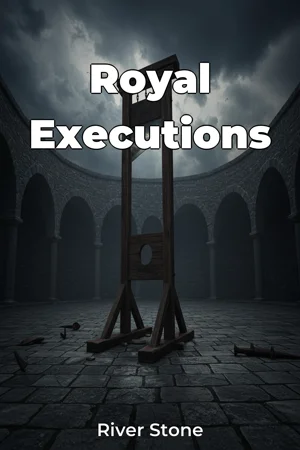
About This Book
Have monarchs ever been truly above the law? "Royal Executions" delves into the grim reality of deposed and condemned royalty, exploring the dramatic instances where the ultimate authority met the ultimate punishment. This book isn't merely a chronicle of deaths; it’s an examination of power, politics, and the precarious nature of leadership. At the heart of "Royal Executions" lie three central themes: the political machinations leading to royal downfall, the legal justifications (or lack thereof) for their executions, and the profound consequences these acts had on subsequent power structures and national identities. These executions were rarely simple acts of justice; they were complex political maneuvers designed to consolidate power, eliminate threats, or usher in new eras. Understanding these motivations provides crucial insights into the dynamics of monarchy and revolution throughout history. The historical context is essential. From ancient kingdoms to modern nation-states, the concept of divine right and hereditary rule has shaped societies. The book juxtaposes the perceived inviolability of monarchs with the brutal realities of their vulnerability, especially during periods of upheaval. Readers should have a basic understanding of European and Asian history, particularly regarding the rise and fall of dynasties. The central argument of "Royal Executions" is that the execution of a monarch is never solely a judicial act; it is always a deeply symbolic and politically charged event that reshapes the collective understanding of power and legitimacy within a nation. This argument challenges the traditional view of these events as isolated incidents, instead framing them as pivotal moments that redefine the relationship between ruler and ruled. The book unfolds in a structured manner. First, it introduces the concept of royal executions as a recurring phenomenon in history, emphasizing their symbolic weight. Next, it investigates specific case studies, such as the executions of Charles I of England, Louis XVI of France, and lesser-known examples from other regions. These chapters analyze the political climate, the legal proceedings (where applicable), and the immediate aftermath of each execution. Finally, the book culminates in an analysis of the long-term implications, examining how these events influenced political thought, social structures, and national narratives. The evidence presented is drawn from primary sources, including trial transcripts, letters, and contemporary accounts, as well as secondary scholarly analyses. The book also utilizes visual evidence, such as portraits and illustrations, to enhance the reader's understanding of the historical figures and events. Unique data sources include archival records that shed light on the private lives and political intrigues of the condemned monarchs. Interdisciplinary connections enhance the book's argument. Firstly, political science provides frameworks for understanding power dynamics and regime change. Secondly, legal history illuminates the evolution of legal systems and the justifications used for executing monarchs. Thirdly, cultural studies examines the symbolic meaning of these executions and their impact on collective memory. "Royal Executions" offers a fresh perspective by examining royal executions not as isolated acts of violence, but as integral components of broader political and social transformations. This approach moves beyond simple narratives of crime and punishment, offering a more nuanced understanding of the complex interplay between power, legitimacy, and violence. The tone is scholarly yet accessible, designed to engage both academic and general readers. The writing style aims to be clear, concise, and engaging, avoiding jargon and focusing on storytelling. The target audience includes history enthusiasts, students of political science, and anyone interested in the dynamics of power and revolution. The book provides valuable insights into the fragility of leadership and the enduring impact of political violence. As a work of history and biography, "Royal Executions" adheres to the conventions of rigorous research, factual accuracy, and objective analysis. It avoids sensationalism and focuses on providing a balanced and informed account of the events. The scope of the book is limited to cases where a reigning or formerly reigning monarch was executed, excluding instances of assassination or death in battle. This focus allows for a deeper exploration of the political and legal complexities surrounding these specific events. The information in the book can be applied to understanding contemporary political events, particularly in regions undergoing political transitions. By examining historical precedents, readers can gain a better understanding of the challenges and opportunities associated with regime change. The book engages with ongoing debates surrounding the legitimacy of political violence and the role of justice in times of revolution. By presenting a range of perspectives, it encourages readers to critically examine their own assumptions about power, authority, and the rule of law.
Have monarchs ever been truly above the law? "Royal Executions" delves into the grim reality of deposed and condemned royalty, exploring the dramatic instances where the ultimate authority met the ultimate punishment. This book isn't merely a chronicle of deaths; it’s an examination of power, politics, and the precarious nature of leadership. At the heart of "Royal Executions" lie three central themes: the political machinations leading to royal downfall, the legal justifications (or lack thereof) for their executions, and the profound consequences these acts had on subsequent power structures and national identities. These executions were rarely simple acts of justice; they were complex political maneuvers designed to consolidate power, eliminate threats, or usher in new eras. Understanding these motivations provides crucial insights into the dynamics of monarchy and revolution throughout history. The historical context is essential. From ancient kingdoms to modern nation-states, the concept of divine right and hereditary rule has shaped societies. The book juxtaposes the perceived inviolability of monarchs with the brutal realities of their vulnerability, especially during periods of upheaval. Readers should have a basic understanding of European and Asian history, particularly regarding the rise and fall of dynasties. The central argument of "Royal Executions" is that the execution of a monarch is never solely a judicial act; it is always a deeply symbolic and politically charged event that reshapes the collective understanding of power and legitimacy within a nation. This argument challenges the traditional view of these events as isolated incidents, instead framing them as pivotal moments that redefine the relationship between ruler and ruled. The book unfolds in a structured manner. First, it introduces the concept of royal executions as a recurring phenomenon in history, emphasizing their symbolic weight. Next, it investigates specific case studies, such as the executions of Charles I of England, Louis XVI of France, and lesser-known examples from other regions. These chapters analyze the political climate, the legal proceedings (where applicable), and the immediate aftermath of each execution. Finally, the book culminates in an analysis of the long-term implications, examining how these events influenced political thought, social structures, and national narratives. The evidence presented is drawn from primary sources, including trial transcripts, letters, and contemporary accounts, as well as secondary scholarly analyses. The book also utilizes visual evidence, such as portraits and illustrations, to enhance the reader's understanding of the historical figures and events. Unique data sources include archival records that shed light on the private lives and political intrigues of the condemned monarchs. Interdisciplinary connections enhance the book's argument. Firstly, political science provides frameworks for understanding power dynamics and regime change. Secondly, legal history illuminates the evolution of legal systems and the justifications used for executing monarchs. Thirdly, cultural studies examines the symbolic meaning of these executions and their impact on collective memory. "Royal Executions" offers a fresh perspective by examining royal executions not as isolated acts of violence, but as integral components of broader political and social transformations. This approach moves beyond simple narratives of crime and punishment, offering a more nuanced understanding of the complex interplay between power, legitimacy, and violence. The tone is scholarly yet accessible, designed to engage both academic and general readers. The writing style aims to be clear, concise, and engaging, avoiding jargon and focusing on storytelling. The target audience includes history enthusiasts, students of political science, and anyone interested in the dynamics of power and revolution. The book provides valuable insights into the fragility of leadership and the enduring impact of political violence. As a work of history and biography, "Royal Executions" adheres to the conventions of rigorous research, factual accuracy, and objective analysis. It avoids sensationalism and focuses on providing a balanced and informed account of the events. The scope of the book is limited to cases where a reigning or formerly reigning monarch was executed, excluding instances of assassination or death in battle. This focus allows for a deeper exploration of the political and legal complexities surrounding these specific events. The information in the book can be applied to understanding contemporary political events, particularly in regions undergoing political transitions. By examining historical precedents, readers can gain a better understanding of the challenges and opportunities associated with regime change. The book engages with ongoing debates surrounding the legitimacy of political violence and the role of justice in times of revolution. By presenting a range of perspectives, it encourages readers to critically examine their own assumptions about power, authority, and the rule of law.
"Royal Executions" delves into the dramatic and often grim history of monarchs who met their end not through natural causes or battlefield defeat, but by execution. This exploration of power, politics, and the precarious nature of leadership examines instances where kings and queens faced the ultimate punishment. Understanding these pivotal moments offers insights into the dynamics of monarchy, political executions, and the often brutal realities of political power. The book reveals how such executions were rarely simple acts of justice, but complex political maneuvers that reshaped power structures and national identities. The book investigates specific case studies, such as Charles I of England and Louis XVI of France, alongside lesser-known examples from both European and Asian history. It analyzes the political climate, legal proceedings, and immediate aftermath of each execution. By drawing from primary sources like trial transcripts and contemporary accounts, "Royal Executions" presents a fresh perspective, viewing royal executions as integral components of broader political and social transformations, examining the long-term implications and influence on political thought and social structures.
Book Details
ISBN
9788235246608
Publisher
Publifye AS
Your Licenses
You don't own any licenses for this book
Purchase a license below to unlock this book and download the EPUB.
Purchase License
Select a tier to unlock this book
Need bulk licensing?
Contact us for enterprise agreements.