
About This Book
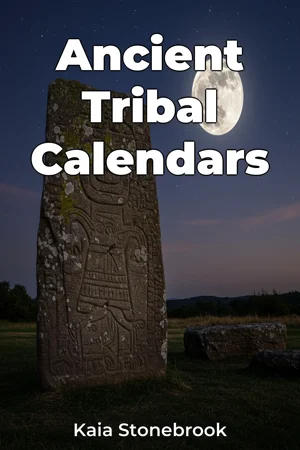
How did ancient civilizations, lacking modern technology, achieve a sophisticated understanding of time and predict seasonal changes with remarkable accuracy? "Ancient Tribal Calendars" delves into the ingenious methods developed by indigenous groups around the world to track celestial movements and align their lives with the rhythms of nature. This book explores the intricate systems these societies created, demonstrating their profound knowledge of astronomy and its practical applications. At its core, this book examines three central themes: the astronomical observations underlying these calendars, the socio-cultural role of the calendars in shaping tribal life, and the mathematical principles employed in their construction. These themes are vital because they reveal the depth of indigenous scientific thought, challenge Eurocentric views of scientific history, and offer valuable lessons about sustainable living in harmony with the environment. Understanding these calendars requires a basic grasp of astronomical concepts such as the solar year, lunar cycles, and stellar movements. However, the book moves beyond a purely scientific approach, contextualizing these calendars within the specific cultural and environmental circumstances of the tribes that developed them. The central argument is that indigenous calendars were not merely primitive timekeeping devices but sophisticated, holistic systems integrating astronomy, mathematics, and cultural practice to ensure societal survival and well-being. The book unfolds in a structured manner. First, it introduces the fundamental astronomical principles that informed these calendars, explaining how ancient observers tracked the sun, moon, and stars. Second, it explores case studies of specific tribal calendars from diverse regions, such as the Mayan calendar of Mesoamerica, the lunar calendars of various Native American tribes, and the seasonal markers used by Aboriginal Australians. These case studies detail the structure of each calendar, its practical uses in agriculture, ritual, and navigation, and the cultural narratives associated with it. Third, the book analyzes the mathematical underpinnings of these calendars, revealing the sophisticated calculations used to reconcile different time cycles. The culmination of the argument highlights the intellectual achievements of indigenous societies and the lessons we can learn from their sustainable practices. Finally, it discusses the implications of understanding these ancient systems for contemporary issues such as climate change and cultural preservation. The evidence presented in "Ancient Tribal Calendars" draws from a variety of sources, including archaeological findings, ethnographical accounts, and astronomical data. The analysis incorporates the interpretation of calendar artifacts, such as stone monuments and inscribed tablets; the study of traditional stories and rituals associated with calendar cycles; and the comparison of calendar dates with astronomical records. This book also connects to several other fields, including anthropology by examining the cultural context of calendar use, archaeology by interpreting physical evidence of calendar systems, and environmental studies by understanding how these calendars facilitated sustainable resource management. These interdisciplinary connections enrich the book's argument by providing a more comprehensive understanding of the significance of ancient tribal calendars. "Ancient Tribal Calendars" offers a unique perspective by challenging the common perception of indigenous knowledge as primitive or unsophisticated. It demonstrates the intellectual rigor and practical wisdom embedded in these ancient systems. The book is written in a clear, accessible style, suitable for both academic and general audiences. The target audience includes students and scholars of history, science, and anthropology, as well as anyone interested in indigenous cultures, astronomy, or sustainable living. Readers seeking a deeper understanding of the intellectual achievements of non-Western societies will find this book particularly valuable. As a fact-based, non-fiction work, "Ancient Tribal Calendars" adheres to the genre's standards of accuracy, objectivity, and thorough research. It avoids speculation and presents a balanced account of the available evidence. The scope of the book is broad, covering a range of tribal calendars from different regions, but it is also limited by the availability of reliable data and the complexity of the subject matter. The information presented in this book has practical applications for contemporary society. By studying these ancient calendars, we can gain a greater appreciation for the importance of aligning our lives with natural cycles and develop more sustainable approaches to resource management. While this book delves into established and accepted theories, it also acknowledges ongoing debates in the field, such as the interpretation of certain calendar artifacts and the precise dating of calendar systems.
How did ancient civilizations, lacking modern technology, achieve a sophisticated understanding of time and predict seasonal changes with remarkable accuracy? "Ancient Tribal Calendars" delves into the ingenious methods developed by indigenous groups around the world to track celestial movements and align their lives with the rhythms of nature. This book explores the intricate systems these societies created, demonstrating their profound knowledge of astronomy and its practical applications. At its core, this book examines three central themes: the astronomical observations underlying these calendars, the socio-cultural role of the calendars in shaping tribal life, and the mathematical principles employed in their construction. These themes are vital because they reveal the depth of indigenous scientific thought, challenge Eurocentric views of scientific history, and offer valuable lessons about sustainable living in harmony with the environment. Understanding these calendars requires a basic grasp of astronomical concepts such as the solar year, lunar cycles, and stellar movements. However, the book moves beyond a purely scientific approach, contextualizing these calendars within the specific cultural and environmental circumstances of the tribes that developed them. The central argument is that indigenous calendars were not merely primitive timekeeping devices but sophisticated, holistic systems integrating astronomy, mathematics, and cultural practice to ensure societal survival and well-being. The book unfolds in a structured manner. First, it introduces the fundamental astronomical principles that informed these calendars, explaining how ancient observers tracked the sun, moon, and stars. Second, it explores case studies of specific tribal calendars from diverse regions, such as the Mayan calendar of Mesoamerica, the lunar calendars of various Native American tribes, and the seasonal markers used by Aboriginal Australians. These case studies detail the structure of each calendar, its practical uses in agriculture, ritual, and navigation, and the cultural narratives associated with it. Third, the book analyzes the mathematical underpinnings of these calendars, revealing the sophisticated calculations used to reconcile different time cycles. The culmination of the argument highlights the intellectual achievements of indigenous societies and the lessons we can learn from their sustainable practices. Finally, it discusses the implications of understanding these ancient systems for contemporary issues such as climate change and cultural preservation. The evidence presented in "Ancient Tribal Calendars" draws from a variety of sources, including archaeological findings, ethnographical accounts, and astronomical data. The analysis incorporates the interpretation of calendar artifacts, such as stone monuments and inscribed tablets; the study of traditional stories and rituals associated with calendar cycles; and the comparison of calendar dates with astronomical records. This book also connects to several other fields, including anthropology by examining the cultural context of calendar use, archaeology by interpreting physical evidence of calendar systems, and environmental studies by understanding how these calendars facilitated sustainable resource management. These interdisciplinary connections enrich the book's argument by providing a more comprehensive understanding of the significance of ancient tribal calendars. "Ancient Tribal Calendars" offers a unique perspective by challenging the common perception of indigenous knowledge as primitive or unsophisticated. It demonstrates the intellectual rigor and practical wisdom embedded in these ancient systems. The book is written in a clear, accessible style, suitable for both academic and general audiences. The target audience includes students and scholars of history, science, and anthropology, as well as anyone interested in indigenous cultures, astronomy, or sustainable living. Readers seeking a deeper understanding of the intellectual achievements of non-Western societies will find this book particularly valuable. As a fact-based, non-fiction work, "Ancient Tribal Calendars" adheres to the genre's standards of accuracy, objectivity, and thorough research. It avoids speculation and presents a balanced account of the available evidence. The scope of the book is broad, covering a range of tribal calendars from different regions, but it is also limited by the availability of reliable data and the complexity of the subject matter. The information presented in this book has practical applications for contemporary society. By studying these ancient calendars, we can gain a greater appreciation for the importance of aligning our lives with natural cycles and develop more sustainable approaches to resource management. While this book delves into established and accepted theories, it also acknowledges ongoing debates in the field, such as the interpretation of certain calendar artifacts and the precise dating of calendar systems.
"Ancient Tribal Calendars" explores the sophisticated timekeeping methods of indigenous cultures, revealing their profound astronomical knowledge. These ancient civilizations, despite lacking modern technology, developed intricate calendars to predict seasonal changes and align their lives with nature’s rhythms. For example, the Mayan calendar showcases a complex understanding of celestial movements, while Aboriginal Australians used seasonal markers for navigation and resource management. These systems were not merely timekeeping devices; they were holistic integrations of astronomy, mathematics, and cultural practices crucial for societal survival. The book delves into the astronomical observations, socio-cultural roles, and mathematical principles behind these calendars. Moving beyond a purely scientific approach, the book contextualizes these calendars within specific cultural and environmental circumstances. The book progresses by first introducing fundamental astronomical principles, then exploring case studies like the Mayan calendar and Native American lunar calendars, and finally analyzing the mathematical underpinnings. By examining archaeological findings and ethnographical accounts, "Ancient Tribal Calendars" challenges Eurocentric views of scientific history and offers valuable lessons for sustainable living.
Book Details
ISBN
9788235246134
Publisher
Publifye AS
Your Licenses
You don't own any licenses for this book
Purchase a license below to unlock this book and download the EPUB.
Purchase License
Select a tier to unlock this book
Need bulk licensing?
Contact us for enterprise agreements.