
About This Book
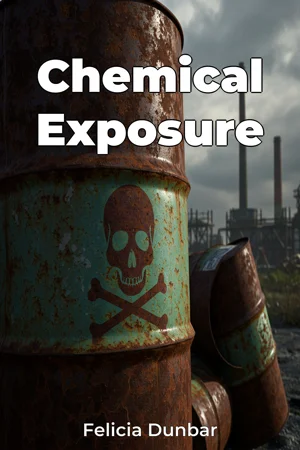
Are you prepared to act decisively and effectively when faced with a chemical exposure incident? This book, "Chemical Exposure," provides a comprehensive, practical guide to understanding, responding to, and mitigating the health consequences of chemical burns, inhalation of toxic fumes, and other hazardous material exposure incidents. It is an essential resource for anyone who works with, or may be exposed to, chemicals, including first responders, healthcare professionals, industrial workers, and concerned citizens. This book focuses on two crucial aspects of chemical exposure: immediate response and long-term health management. The significance lies in reducing immediate harm and preventing or minimizing chronic health issues that can arise from such incidents. Understanding the specific chemical involved, its mechanism of action, and appropriate decontamination protocols is paramount. Equally important is recognizing the systemic effects of exposure and implementing strategies for ongoing medical surveillance and support. The historical context of industrial disasters and environmental contamination underscores the need for heightened awareness and preparedness. From Bhopal to Flint, history teaches us that chemical exposures can have devastating consequences on individuals and communities. While a basic understanding of chemistry and toxicology will be beneficial, the book is designed to be accessible to a broad audience through clear explanations and practical examples. The central argument of "Chemical Exposure" is that proactive knowledge and preparedness are the most effective tools for minimizing the impact of chemical exposure incidents. By providing evidence-based guidelines and practical strategies, this book empowers readers to take control of their health and safety in a hazardous environment. The book begins by introducing the fundamental principles of toxicology, including routes of exposure, dose-response relationships, and mechanisms of toxicity. It then explores specific types of chemical exposures, such as acids, bases, solvents, and pesticides, detailing their unique properties and the specific hazards they pose. Subsequent chapters delve into the practical aspects of emergency response, including personal protective equipment, decontamination procedures, and first aid measures. A significant portion of the book is dedicated to the medical management of chemical injuries, covering both acute and chronic health effects. Finally, the book concludes with strategies for prevention, including risk assessment, hazard communication, and engineering controls. The content is supported by peer-reviewed scientific literature, medical case studies, and industry best practices. Data from governmental agencies, such as the Environmental Protection Agency (EPA) and the Occupational Safety and Health Administration (OSHA), are integrated to provide a comprehensive and authoritative perspective. "Chemical Exposure" draws connections to several interdisciplinary fields, including environmental science, occupational health, and emergency medicine. The book's emphasis on risk assessment and prevention aligns with principles of public health, while its discussion of medical management reflects advances in clinical toxicology. The integration of safety protocols connects it to the field of industrial hygiene, to enforce protective measures in workplaces. The book sets itself apart by combining scientific rigor with practical application. It not only explains the science behind chemical exposures but also provides actionable steps that readers can take to protect themselves and others. This approach bridges the gap between theoretical knowledge and real-world preparedness. Written in a clear, concise, and accessible style, "Chemical Exposure" is designed for a broad audience, including healthcare providers, first responders, industrial workers, safety professionals, and anyone who wants to be better informed about the risks of chemical exposure. Its value lies in providing practical guidance, evidence-based recommendations, and actionable strategies for mitigating the impact of chemical incidents. As a work within the Health & Fitness, Health Fitness, and Medical General genres, "Chemical Exposure" adheres to standards of scientific accuracy, evidence-based recommendations, and practical application. It provides a balanced and objective perspective on a complex topic, avoiding sensationalism or unsubstantiated claims. The scope of the book is limited to the health effects of chemical exposure and does not delve into the legal or regulatory aspects beyond what is necessary for understanding safety protocols. The information provided can be applied in various real-world settings, including industrial workplaces, emergency response situations, healthcare facilities, and even homes. Readers will learn how to identify chemical hazards, assess risks, implement preventive measures, and respond effectively in the event of an exposure. While there is general agreement on the basic principles of toxicology and emergency response, some debates exist regarding the long-term health effects of certain chemicals and the effectiveness of specific treatment strategies. This book acknowledges these controversies and presents a balanced view of the available evidence, encouraging readers to stay informed and consult with qualified professionals.
Are you prepared to act decisively and effectively when faced with a chemical exposure incident? This book, "Chemical Exposure," provides a comprehensive, practical guide to understanding, responding to, and mitigating the health consequences of chemical burns, inhalation of toxic fumes, and other hazardous material exposure incidents. It is an essential resource for anyone who works with, or may be exposed to, chemicals, including first responders, healthcare professionals, industrial workers, and concerned citizens. This book focuses on two crucial aspects of chemical exposure: immediate response and long-term health management. The significance lies in reducing immediate harm and preventing or minimizing chronic health issues that can arise from such incidents. Understanding the specific chemical involved, its mechanism of action, and appropriate decontamination protocols is paramount. Equally important is recognizing the systemic effects of exposure and implementing strategies for ongoing medical surveillance and support. The historical context of industrial disasters and environmental contamination underscores the need for heightened awareness and preparedness. From Bhopal to Flint, history teaches us that chemical exposures can have devastating consequences on individuals and communities. While a basic understanding of chemistry and toxicology will be beneficial, the book is designed to be accessible to a broad audience through clear explanations and practical examples. The central argument of "Chemical Exposure" is that proactive knowledge and preparedness are the most effective tools for minimizing the impact of chemical exposure incidents. By providing evidence-based guidelines and practical strategies, this book empowers readers to take control of their health and safety in a hazardous environment. The book begins by introducing the fundamental principles of toxicology, including routes of exposure, dose-response relationships, and mechanisms of toxicity. It then explores specific types of chemical exposures, such as acids, bases, solvents, and pesticides, detailing their unique properties and the specific hazards they pose. Subsequent chapters delve into the practical aspects of emergency response, including personal protective equipment, decontamination procedures, and first aid measures. A significant portion of the book is dedicated to the medical management of chemical injuries, covering both acute and chronic health effects. Finally, the book concludes with strategies for prevention, including risk assessment, hazard communication, and engineering controls. The content is supported by peer-reviewed scientific literature, medical case studies, and industry best practices. Data from governmental agencies, such as the Environmental Protection Agency (EPA) and the Occupational Safety and Health Administration (OSHA), are integrated to provide a comprehensive and authoritative perspective. "Chemical Exposure" draws connections to several interdisciplinary fields, including environmental science, occupational health, and emergency medicine. The book's emphasis on risk assessment and prevention aligns with principles of public health, while its discussion of medical management reflects advances in clinical toxicology. The integration of safety protocols connects it to the field of industrial hygiene, to enforce protective measures in workplaces. The book sets itself apart by combining scientific rigor with practical application. It not only explains the science behind chemical exposures but also provides actionable steps that readers can take to protect themselves and others. This approach bridges the gap between theoretical knowledge and real-world preparedness. Written in a clear, concise, and accessible style, "Chemical Exposure" is designed for a broad audience, including healthcare providers, first responders, industrial workers, safety professionals, and anyone who wants to be better informed about the risks of chemical exposure. Its value lies in providing practical guidance, evidence-based recommendations, and actionable strategies for mitigating the impact of chemical incidents. As a work within the Health & Fitness, Health Fitness, and Medical General genres, "Chemical Exposure" adheres to standards of scientific accuracy, evidence-based recommendations, and practical application. It provides a balanced and objective perspective on a complex topic, avoiding sensationalism or unsubstantiated claims. The scope of the book is limited to the health effects of chemical exposure and does not delve into the legal or regulatory aspects beyond what is necessary for understanding safety protocols. The information provided can be applied in various real-world settings, including industrial workplaces, emergency response situations, healthcare facilities, and even homes. Readers will learn how to identify chemical hazards, assess risks, implement preventive measures, and respond effectively in the event of an exposure. While there is general agreement on the basic principles of toxicology and emergency response, some debates exist regarding the long-term health effects of certain chemicals and the effectiveness of specific treatment strategies. This book acknowledges these controversies and presents a balanced view of the available evidence, encouraging readers to stay informed and consult with qualified professionals.
"Chemical Exposure" delivers essential knowledge for understanding and managing the health risks associated with hazardous materials. Emphasizing both immediate response and long-term health management, the book highlights the critical need for preparedness in handling chemical burns, toxic fumes, and other exposure incidents. Did you know that understanding a chemical's specific action is as vital as knowing decontamination protocols? Moreover, the book stresses the importance of ongoing medical surveillance to mitigate chronic health issues arising from such exposures. This comprehensive guide progresses from basic toxicology principles, including exposure routes and dose-response relationships, to practical strategies for emergency response and medical management. It uniquely combines scientific rigor with actionable steps, bridging the gap between theoretical knowledge and real-world application. Readers will learn about personal protective equipment, decontamination procedures, and risk assessment to effectively minimize the impact of chemical incidents. Drawing from peer-reviewed studies and governmental data, "Chemical Exposure" empowers healthcare professionals, first responders, industrial workers, and concerned citizens to proactively manage chemical exposure risks. It underscores that being informed and prepared is the best defense against the devastating consequences of chemical incidents.
Book Details
ISBN
9788235246042
Publisher
Publifye AS
Your Licenses
You don't own any licenses for this book
Purchase a license below to unlock this book and download the EPUB.
Purchase License
Select a tier to unlock this book
Need bulk licensing?
Contact us for enterprise agreements.