
About This Book
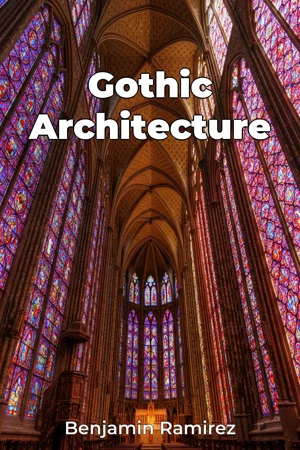
How did medieval builders reach such soaring heights, create spaces flooded with colored light, and adorn them with complex carvings that seem to defy gravity? "Gothic Architecture" explores the evolution and characteristics of this globally recognized architectural style, focusing on the innovations that made it possible and the cultural context that shaped its development. This book argues that Gothic architecture was not merely a stylistic choice, but a technological and artistic response to specific societal needs and aspirations, reflecting a profound shift in medieval thought and engineering. The book is divided into three main parts. Part One introduces the precursors to Gothic architecture, examining Romanesque building techniques and the social and religious climate of the 12th century. This section lays the groundwork for understanding the radical departures that defined the Gothic style. We’ll explore the development and implementation of key elements such as pointed arches, ribbed vaults, and flying buttresses. The cultural and economic conditions that allowed for the shift from the Romanesque style to what we know as Gothic will be examined, including the gradual consolidation of political power, population growth, and the expanding role of the Church. Part Two delves into the core features of Gothic cathedrals and other structures. This section will provide detailed analyses of iconic examples, from Notre-Dame de Paris to Cologne Cathedral. It explores the functional and aesthetic significance of architectural features like stained glass windows, which transformed the interior space with light and color, and the intricate sculptures that adorned facades, conveying religious narratives and moral lessons. A major focus will be on the engineering principles behind these structures, detailing how builders managed to create tall, slender walls and vast, open spaces that had been previously impossible. We will analyze the use of new materials, advances in quarrying methods, and the complex organizational structure of the cathedral building sites, providing a comprehensive view of the practical challenges and innovations involved in constructing these monumental buildings. Part Three examines the spread and evolution of Gothic architecture across Europe and beyond, exploring regional variations and adaptations of the style. This section will trace the influence of French Gothic on English Perpendicular Gothic, German Brick Gothic, and other regional styles, highlighting how local materials, building traditions, and cultural preferences shaped the final product. The book will also address the decline of Gothic architecture and its eventual replacement by Renaissance styles, examining the factors that led to this shift in architectural tastes. A final chapter explores the Gothic Revival of the 19th and 20th centuries, demonstrating the enduring appeal of Gothic forms and their continuing influence on contemporary architecture. The arguments presented in "Gothic Architecture" are supported by a broad range of evidence, including architectural drawings, historical documents, and archaeological findings. The book draws on primary sources, such as the writings of medieval chroniclers and the records of cathedral building projects, as well as secondary scholarship in architectural history, art history, and engineering. The book also incorporates visual analysis of key structures, providing detailed descriptions and photographs of architectural features and decorative elements. "Gothic Architecture" connects to various other fields of study, including medieval history, religious studies, and art history. By exploring the social, cultural, and religious context of Gothic architecture, the book offers a rich and nuanced understanding of this iconic style. The book takes a practical approach, blending technical and artistic perspectives to offer a holistic view of Gothic architecture. The target audience for this book includes students of architecture and art history, as well as anyone interested in medieval history and culture. The book is written in a clear and accessible style, making it suitable for both academic and general readers. The book aims to provide a comprehensive and engaging introduction to Gothic architecture, offering new insights into the technical achievements, artistic innovations, and cultural significance of this remarkable building style. The scope of the book is limited to the major developments and variations of Gothic architecture in Europe, focusing on the period from the 12th to the 16th centuries. This focus allows for an in-depth examination of the key features and regional variations of the style, providing a comprehensive overview of the Gothic architectural tradition.
How did medieval builders reach such soaring heights, create spaces flooded with colored light, and adorn them with complex carvings that seem to defy gravity? "Gothic Architecture" explores the evolution and characteristics of this globally recognized architectural style, focusing on the innovations that made it possible and the cultural context that shaped its development. This book argues that Gothic architecture was not merely a stylistic choice, but a technological and artistic response to specific societal needs and aspirations, reflecting a profound shift in medieval thought and engineering. The book is divided into three main parts. Part One introduces the precursors to Gothic architecture, examining Romanesque building techniques and the social and religious climate of the 12th century. This section lays the groundwork for understanding the radical departures that defined the Gothic style. We’ll explore the development and implementation of key elements such as pointed arches, ribbed vaults, and flying buttresses. The cultural and economic conditions that allowed for the shift from the Romanesque style to what we know as Gothic will be examined, including the gradual consolidation of political power, population growth, and the expanding role of the Church. Part Two delves into the core features of Gothic cathedrals and other structures. This section will provide detailed analyses of iconic examples, from Notre-Dame de Paris to Cologne Cathedral. It explores the functional and aesthetic significance of architectural features like stained glass windows, which transformed the interior space with light and color, and the intricate sculptures that adorned facades, conveying religious narratives and moral lessons. A major focus will be on the engineering principles behind these structures, detailing how builders managed to create tall, slender walls and vast, open spaces that had been previously impossible. We will analyze the use of new materials, advances in quarrying methods, and the complex organizational structure of the cathedral building sites, providing a comprehensive view of the practical challenges and innovations involved in constructing these monumental buildings. Part Three examines the spread and evolution of Gothic architecture across Europe and beyond, exploring regional variations and adaptations of the style. This section will trace the influence of French Gothic on English Perpendicular Gothic, German Brick Gothic, and other regional styles, highlighting how local materials, building traditions, and cultural preferences shaped the final product. The book will also address the decline of Gothic architecture and its eventual replacement by Renaissance styles, examining the factors that led to this shift in architectural tastes. A final chapter explores the Gothic Revival of the 19th and 20th centuries, demonstrating the enduring appeal of Gothic forms and their continuing influence on contemporary architecture. The arguments presented in "Gothic Architecture" are supported by a broad range of evidence, including architectural drawings, historical documents, and archaeological findings. The book draws on primary sources, such as the writings of medieval chroniclers and the records of cathedral building projects, as well as secondary scholarship in architectural history, art history, and engineering. The book also incorporates visual analysis of key structures, providing detailed descriptions and photographs of architectural features and decorative elements. "Gothic Architecture" connects to various other fields of study, including medieval history, religious studies, and art history. By exploring the social, cultural, and religious context of Gothic architecture, the book offers a rich and nuanced understanding of this iconic style. The book takes a practical approach, blending technical and artistic perspectives to offer a holistic view of Gothic architecture. The target audience for this book includes students of architecture and art history, as well as anyone interested in medieval history and culture. The book is written in a clear and accessible style, making it suitable for both academic and general readers. The book aims to provide a comprehensive and engaging introduction to Gothic architecture, offering new insights into the technical achievements, artistic innovations, and cultural significance of this remarkable building style. The scope of the book is limited to the major developments and variations of Gothic architecture in Europe, focusing on the period from the 12th to the 16th centuries. This focus allows for an in-depth examination of the key features and regional variations of the style, providing a comprehensive overview of the Gothic architectural tradition.
"Gothic Architecture" explores the origins, evolution, and lasting impact of Gothic architecture, a groundbreaking style that redefined medieval building. This book argues that Gothic architecture was more than just a design choice; it was a technological and artistic response to societal needs, made possible by innovations like ribbed vaults, pointed arches, and flying buttresses. Imagine the ingenuity required to construct soaring cathedrals like Notre-Dame de Paris, defying gravity with walls of stained glass. The book traces the transition from Romanesque to Gothic, examining the cultural and economic factors that paved the way for this architectural revolution. It delves into the core features of Gothic cathedrals, analyzing iconic examples and the engineering principles behind them. It also investigates regional variations across Europe, highlighting how local materials and traditions shaped the style. Finally, it examines the Gothic Revival, demonstrating the style's enduring appeal. Through architectural drawings, historical documents, and visual analysis, the book reveals the technical achievements, artistic innovations, and cultural significance of Gothic architecture. It adopts a practical approach, blending technical and artistic perspectives, making it valuable for students, enthusiasts, and anyone interested in architectural history.
Book Details
ISBN
9788235245878
Publisher
Publifye AS
Your Licenses
You don't own any licenses for this book
Purchase a license below to unlock this book and download the EPUB.
Purchase License
Select a tier to unlock this book
Need bulk licensing?
Contact us for enterprise agreements.