
About This Book
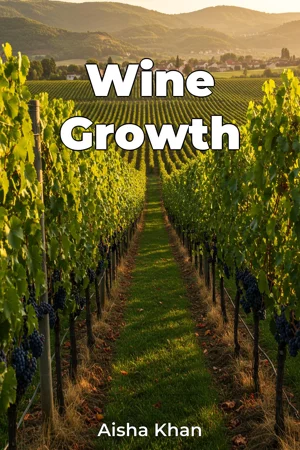
How has a simple beverage become such an entrenched part of human history and commerce, shaping cultures and economies worldwide? *Wine Growth* explores the multifaceted story of wine, from its ancient roots to its modern global industry, revealing its profound impact on societies and economies. This book examines how wine production evolved across diverse geographical locations and historical periods, focusing on the key elements that contributed to its rise and global spread. The book is structured around three central themes: the cultural significance of wine, its economic impact, and the technological advancements that have shaped its production. Understanding these themes is crucial for grasping wine’s enduring influence. Wine, beyond being a drink, has consistently played a significant role in rituals, social gatherings, and artistic expression. Economically, the wine industry has spurred regional development, trade routes, and entrepreneurial ventures. Further, the innovation in grape cultivation, fermentation, and distribution methods have continuously driven the industry forward. *Wine Growth* begins by delving into the ancient origins of winemaking, tracing its practices from early civilizations in Greece and Rome, where wine was interwoven with religious practices, social hierarchies, and trade networks. This historical context is vital for understanding the deep-seated cultural attachment to wine that persists today. The book then transitions to an analysis of the medieval period, highlighting the role of monastic orders in preserving and refining winemaking techniques, as well as the expansion of vineyards across Europe. The central argument of *Wine Growth* posits that the intersection of cultural appreciation, economic opportunity, and technological innovation has been the engine driving the wine industry's sustained global growth. This argument is important because it challenges conventional views that often overemphasize one aspect like tradition or terroir at the expense of others. The book is divided into three parts. Part 1 introduces the early foundations of winemaking and its cultural integration in ancient societies. Part 2 analyzes the development of viticulture and the wine trade through the Middle Ages and the Renaissance, examining the economic structures that supported its growth. Part 3 focuses on the modern era, detailing the technological revolution in winemaking, the emergence of New World wine regions like Napa Valley, and the globalization of the wine market. It culminates in a discussion of current trends, sustainability challenges, and the future of the industry. Throughout *Wine Growth*, evidence will be drawn from archaeological findings, historical trade records, agricultural studies, and business case studies. Primary sources, such as ancient texts, medieval manuscripts, and early business reports, will be analyzed alongside contemporary research to support the arguments. The book also establishes interdisciplinary connections with fields such as archaeology (analyzing ancient winemaking sites), economics (studying trade patterns and market dynamics), and environmental science (examining the impact of climate change on viticulture). These connections enrich the narrative and provide a more comprehensive understanding of wine's role in shaping the world. *Wine Growth* employs a balanced and analytical tone, blending historical narrative with business analysis to provide a comprehensive and accessible account of the wine industry’s evolution. The target audience includes history enthusiasts, business students, wine aficionados, and anyone interested in understanding the cultural and economic forces that have shaped our world. This book is particularly valuable for those seeking to understand the business side of wine, and the historical context in which the modern industry finds itself. In scope, *Wine Growth* covers a broad geographical range, including key wine-producing regions from Europe to the Americas. It is limited, however, in its deep dives into the technical aspects of wine production; the focus remains primarily on the historical, cultural, and economic dimensions. Readers can apply the insights gained from *Wine Growth* to understand current trends in the wine market, make informed investment decisions, and appreciate the cultural richness associated with wine consumption. The book addresses contemporary debates surrounding issues like terroir versus technology, organic versus conventional farming, and the balance between tradition and innovation in winemaking.
How has a simple beverage become such an entrenched part of human history and commerce, shaping cultures and economies worldwide? *Wine Growth* explores the multifaceted story of wine, from its ancient roots to its modern global industry, revealing its profound impact on societies and economies. This book examines how wine production evolved across diverse geographical locations and historical periods, focusing on the key elements that contributed to its rise and global spread. The book is structured around three central themes: the cultural significance of wine, its economic impact, and the technological advancements that have shaped its production. Understanding these themes is crucial for grasping wine’s enduring influence. Wine, beyond being a drink, has consistently played a significant role in rituals, social gatherings, and artistic expression. Economically, the wine industry has spurred regional development, trade routes, and entrepreneurial ventures. Further, the innovation in grape cultivation, fermentation, and distribution methods have continuously driven the industry forward. *Wine Growth* begins by delving into the ancient origins of winemaking, tracing its practices from early civilizations in Greece and Rome, where wine was interwoven with religious practices, social hierarchies, and trade networks. This historical context is vital for understanding the deep-seated cultural attachment to wine that persists today. The book then transitions to an analysis of the medieval period, highlighting the role of monastic orders in preserving and refining winemaking techniques, as well as the expansion of vineyards across Europe. The central argument of *Wine Growth* posits that the intersection of cultural appreciation, economic opportunity, and technological innovation has been the engine driving the wine industry's sustained global growth. This argument is important because it challenges conventional views that often overemphasize one aspect like tradition or terroir at the expense of others. The book is divided into three parts. Part 1 introduces the early foundations of winemaking and its cultural integration in ancient societies. Part 2 analyzes the development of viticulture and the wine trade through the Middle Ages and the Renaissance, examining the economic structures that supported its growth. Part 3 focuses on the modern era, detailing the technological revolution in winemaking, the emergence of New World wine regions like Napa Valley, and the globalization of the wine market. It culminates in a discussion of current trends, sustainability challenges, and the future of the industry. Throughout *Wine Growth*, evidence will be drawn from archaeological findings, historical trade records, agricultural studies, and business case studies. Primary sources, such as ancient texts, medieval manuscripts, and early business reports, will be analyzed alongside contemporary research to support the arguments. The book also establishes interdisciplinary connections with fields such as archaeology (analyzing ancient winemaking sites), economics (studying trade patterns and market dynamics), and environmental science (examining the impact of climate change on viticulture). These connections enrich the narrative and provide a more comprehensive understanding of wine's role in shaping the world. *Wine Growth* employs a balanced and analytical tone, blending historical narrative with business analysis to provide a comprehensive and accessible account of the wine industry’s evolution. The target audience includes history enthusiasts, business students, wine aficionados, and anyone interested in understanding the cultural and economic forces that have shaped our world. This book is particularly valuable for those seeking to understand the business side of wine, and the historical context in which the modern industry finds itself. In scope, *Wine Growth* covers a broad geographical range, including key wine-producing regions from Europe to the Americas. It is limited, however, in its deep dives into the technical aspects of wine production; the focus remains primarily on the historical, cultural, and economic dimensions. Readers can apply the insights gained from *Wine Growth* to understand current trends in the wine market, make informed investment decisions, and appreciate the cultural richness associated with wine consumption. The book addresses contemporary debates surrounding issues like terroir versus technology, organic versus conventional farming, and the balance between tradition and innovation in winemaking.
*Wine Growth* explores the captivating journey of wine from its ancient origins to its status as a global industry, deeply entwined with human culture and commerce. This book examines how wine's evolution has been shaped by cultural practices, economic forces, and technological advancements. For example, wine played a crucial role in ancient religious ceremonies and social hierarchies, illustrating its early cultural significance. The book progresses chronologically, beginning with the early winemaking practices of ancient civilizations, then moving through the medieval period, where monastic orders preserved and refined viticulture. It culminates in a modern analysis of technological revolutions in winemaking, the rise of New World regions, and the globalization of the wine market. This approach provides a comprehensive understanding of the history of winemaking, highlighting the interplay of culture, history, and the wine business.
Book Details
ISBN
9788235245847
Publisher
Publifye AS
Your Licenses
You don't own any licenses for this book
Purchase a license below to unlock this book and download the EPUB.
Purchase License
Select a tier to unlock this book
Need bulk licensing?
Contact us for enterprise agreements.