
About This Book
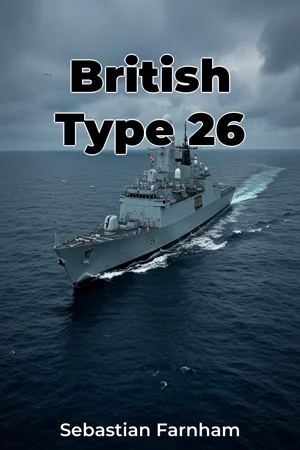
How can a single class of warship redefine naval power in the 21st century? This book, "British Type 26," delves into the intricate design, strategic importance, and operational capabilities of the Type 26 frigate, a vessel poised to become a cornerstone of the Royal Navy and a significant player in global maritime security. We explore why this frigate, with its advanced features optimized for submarine warfare and air defense, has garnered the favor of naval strategists such as Børresen. The book focuses primarily on three key areas: the technological innovations that underpin the Type 26's capabilities, its role in projecting British naval power and contributing to international security, and the historical context that shaped its development. These topics are vital because they illuminate not only the technical sophistication of modern naval engineering but also the complex geopolitical considerations that drive the design and deployment of advanced warships. Understanding the Type 26 requires a grasp of modern naval warfare doctrines, particularly the shift towards multi-mission platforms capable of operating independently or as part of a larger task force. Additionally, some familiarity with contemporary geopolitical challenges, such as countering submarine threats and maintaining maritime superiority in contested waters, will enhance the reader's appreciation of the frigate's significance. The central argument of "British Type 26" is that this class of frigate represents a paradigm shift in naval design, prioritizing adaptability and technological integration to meet the evolving demands of modern warfare. This argument challenges conventional notions of naval power by highlighting the importance of versatile, multi-role platforms over specialized vessels. Beginning with an introduction to the core design principles and technological features of the Type 26, the book progresses through chapters dedicated to specific aspects of its capabilities. It then traces the frigate's development process, examining the trade-offs and engineering challenges encountered along the way. Finally, it considers the Type 26's impact on British naval strategy and its potential role in future conflicts. The analysis presented in this book relies on a variety of sources, including official Royal Navy documents, Jane's Fighting Ships, reputable defense industry publications, and interviews with naval architects and defense analysts. The book also draws upon unclassified technical specifications to provide a comprehensive overview of the Type 26's capabilities. "British Type 26" connects to several other fields of study, including international relations (examining the frigate's role in diplomacy and power projection), economics (analyzing the costs associated with its construction and maintenance), and political science (assessing the political decisions that influenced its development). These connections enrich the analysis by providing a multi-faceted perspective on the Type 26's significance. This book offers a unique perspective by combining technical analysis with strategic and historical context, filling the gap in existing literature. This book aims to provide the definitive account of the Type 26 frigate, its design, development and role. The book adopts a professional and informative tone, presenting technical information in an accessible manner while maintaining a high level of accuracy and rigor. The target audience includes naval enthusiasts, defense professionals, military historians, and anyone interested in modern naval technology and its impact on global security. This book will be valuable to them because it provides a comprehensive and up-to-date analysis of a cutting-edge warship. As a work of military history and technology, the book adheres to genre conventions. It offers an exploration of the Type 26 frigate's design, capabilities, and strategic implications. It aims to provide a balanced and objective assessment of the vessel's strengths and limitations. The book focuses specifically on the Type 26 frigate and its immediate context, deliberately avoiding broader discussions of naval strategy or geopolitical dynamics. While these topics are touched upon, they are only explored to the extent necessary to understand the frigate's role. The information presented in the book can be applied practically by naval strategists, defense analysts, and policymakers seeking to understand the capabilities and limitations of modern warships. It can also inform discussions about naval procurement decisions and defense spending priorities. The development and deployment of the Type 26 have not been without debate, particularly concerning the cost of the program and the potential for alternative designs. The book briefly addresses these controversies, presenting different perspectives on whether the Type 26 represents the optimal solution for the Royal Navy's needs.
How can a single class of warship redefine naval power in the 21st century? This book, "British Type 26," delves into the intricate design, strategic importance, and operational capabilities of the Type 26 frigate, a vessel poised to become a cornerstone of the Royal Navy and a significant player in global maritime security. We explore why this frigate, with its advanced features optimized for submarine warfare and air defense, has garnered the favor of naval strategists such as Børresen. The book focuses primarily on three key areas: the technological innovations that underpin the Type 26's capabilities, its role in projecting British naval power and contributing to international security, and the historical context that shaped its development. These topics are vital because they illuminate not only the technical sophistication of modern naval engineering but also the complex geopolitical considerations that drive the design and deployment of advanced warships. Understanding the Type 26 requires a grasp of modern naval warfare doctrines, particularly the shift towards multi-mission platforms capable of operating independently or as part of a larger task force. Additionally, some familiarity with contemporary geopolitical challenges, such as countering submarine threats and maintaining maritime superiority in contested waters, will enhance the reader's appreciation of the frigate's significance. The central argument of "British Type 26" is that this class of frigate represents a paradigm shift in naval design, prioritizing adaptability and technological integration to meet the evolving demands of modern warfare. This argument challenges conventional notions of naval power by highlighting the importance of versatile, multi-role platforms over specialized vessels. Beginning with an introduction to the core design principles and technological features of the Type 26, the book progresses through chapters dedicated to specific aspects of its capabilities. It then traces the frigate's development process, examining the trade-offs and engineering challenges encountered along the way. Finally, it considers the Type 26's impact on British naval strategy and its potential role in future conflicts. The analysis presented in this book relies on a variety of sources, including official Royal Navy documents, Jane's Fighting Ships, reputable defense industry publications, and interviews with naval architects and defense analysts. The book also draws upon unclassified technical specifications to provide a comprehensive overview of the Type 26's capabilities. "British Type 26" connects to several other fields of study, including international relations (examining the frigate's role in diplomacy and power projection), economics (analyzing the costs associated with its construction and maintenance), and political science (assessing the political decisions that influenced its development). These connections enrich the analysis by providing a multi-faceted perspective on the Type 26's significance. This book offers a unique perspective by combining technical analysis with strategic and historical context, filling the gap in existing literature. This book aims to provide the definitive account of the Type 26 frigate, its design, development and role. The book adopts a professional and informative tone, presenting technical information in an accessible manner while maintaining a high level of accuracy and rigor. The target audience includes naval enthusiasts, defense professionals, military historians, and anyone interested in modern naval technology and its impact on global security. This book will be valuable to them because it provides a comprehensive and up-to-date analysis of a cutting-edge warship. As a work of military history and technology, the book adheres to genre conventions. It offers an exploration of the Type 26 frigate's design, capabilities, and strategic implications. It aims to provide a balanced and objective assessment of the vessel's strengths and limitations. The book focuses specifically on the Type 26 frigate and its immediate context, deliberately avoiding broader discussions of naval strategy or geopolitical dynamics. While these topics are touched upon, they are only explored to the extent necessary to understand the frigate's role. The information presented in the book can be applied practically by naval strategists, defense analysts, and policymakers seeking to understand the capabilities and limitations of modern warships. It can also inform discussions about naval procurement decisions and defense spending priorities. The development and deployment of the Type 26 have not been without debate, particularly concerning the cost of the program and the potential for alternative designs. The book briefly addresses these controversies, presenting different perspectives on whether the Type 26 represents the optimal solution for the Royal Navy's needs.
"British Type 26" explores the innovative design, strategic importance, and operational capabilities of the Type 26 frigate, a key component of the Royal Navy poised to redefine naval power. The book delves into the frigate's advanced features, such as its optimization for submarine warfare and air defense, highlighting its role in global maritime security. This warship represents a move towards versatile, multi-role platforms, reflecting a paradigm shift in naval design. It examines why naval strategists favor this vessel, emphasizing its adaptability to meet the evolving demands of modern warfare. The book's analysis relies on official Royal Navy documents, defense industry publications, and interviews with naval architects, providing a comprehensive overview of the Type 26's capabilities. Beginning with the core design principles, it progresses through chapters dedicated to specific aspects, tracing the frigate's development and its impact on British naval strategy. The book offers a unique perspective by combining technical analysis with strategic and historical context, providing the definitive account of this modern warship.
Book Details
ISBN
9788235245694
Publisher
Publifye AS
Your Licenses
You don't own any licenses for this book
Purchase a license below to unlock this book and download the EPUB.
Purchase License
Select a tier to unlock this book
Need bulk licensing?
Contact us for enterprise agreements.