
About This Book
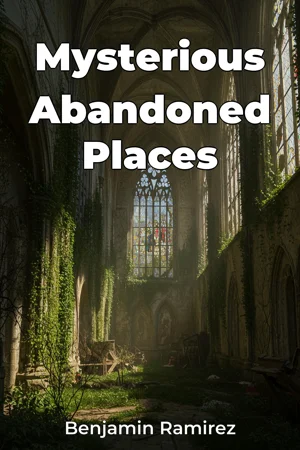
What echoes remain when humanity abandons its grandest designs? This book, "Mysterious Abandoned Places," delves into the silent narratives of forgotten cities, decaying theme parks, and crumbling structures, exploring the intricate tapestries of history, architecture, and societal shifts that led to their desertion. We examine not just the physical remnants, but the underlying reasons why these once-thriving environments became ghost landscapes. Our exploration begins with a fundamental question: how do architectural spaces reflect and shape human experience, and what happens when that relationship is abruptly severed? We investigate the complex interplay of economic factors, environmental changes, and sociopolitical upheavals that contribute to the abandonment of built environments. The book requires no prior specialized knowledge beyond a general interest in history and the built world. The central argument posits that abandoned places are not merely remnants of failure; they are potent archives of human ambition, resilience, and the unintended consequences of progress. They serve as tangible reminders of the transient nature of civilization and offer invaluable insights into the forces that shape our world. This perspective challenges conventional notions of progress, urging us to consider the long-term impacts of our architectural and urban planning decisions. The book is structured around three major themes. First, we examine the economic drivers and social ramifications of urban decay, focusing on case studies of abandoned industrial cities and boomtowns left desolate after resource depletion. Second, we explore the phenomenon of theme park abandonment, dissecting the intricate balance between entertainment, economic viability, and cultural trends that dictate their lifespan. Finally, we analyze the role of geopolitical instability and environmental disasters in the creation of abandoned military installations, ghost towns, and forgotten settlements. Each chapter presents rigorous historical research, incorporating archival documents, firsthand accounts, and photographic evidence to reconstruct the stories behind these forgotten spaces. Data sources include governmental reports, local historical society records, and archaeological surveys, offering a comprehensive and nuanced understanding of the circumstances surrounding each abandonment. The interdisciplinary nature of this study connects to fields such as urban planning, sociology, and environmental studies. By examining the social and ecological impacts of abandonment, the book provides a broader understanding of sustainable development and responsible resource management. It also intersects with the field of cultural heritage preservation, raising questions about the value of preserving abandoned sites as historical landmarks. This book offers a unique perspective by treating abandoned places not as isolated curiosities, but as interconnected nodes in a larger network of human history and environmental change. The tone is informative and analytical, aiming to provide a balanced and evidence-based account of each site’s history and significance. The target audience is broad, encompassing history enthusiasts, architecture buffs, urban explorers, and anyone interested in the intersection of human society and the built environment. The book appeals to readers seeking to understand the complexities of urban development, the dynamics of economic change, and the enduring power of the past. As a work of narrative non-fiction, the book adheres to the genre's conventions of factual accuracy, compelling storytelling, and insightful analysis. While the book covers a diverse range of global locations, it focuses primarily on sites with well-documented histories and accessible research materials. The scope is limited to physical abandonment, excluding virtual or digital spaces. The information presented can be applied practically in urban planning and heritage preservation efforts. By understanding the causes of abandonment, city planners can develop strategies to prevent urban decay and revitalize neglected communities. The book also provides a framework for evaluating the sustainability of large-scale development projects. The book avoids sensationalism, focusing instead on providing a balanced and informed analysis of the factors contributing to abandonment. By exploring the challenges and opportunities presented by these forgotten spaces, "Mysterious Abandoned Places" offers a valuable contribution to our understanding of human history and the built environment.
What echoes remain when humanity abandons its grandest designs? This book, "Mysterious Abandoned Places," delves into the silent narratives of forgotten cities, decaying theme parks, and crumbling structures, exploring the intricate tapestries of history, architecture, and societal shifts that led to their desertion. We examine not just the physical remnants, but the underlying reasons why these once-thriving environments became ghost landscapes. Our exploration begins with a fundamental question: how do architectural spaces reflect and shape human experience, and what happens when that relationship is abruptly severed? We investigate the complex interplay of economic factors, environmental changes, and sociopolitical upheavals that contribute to the abandonment of built environments. The book requires no prior specialized knowledge beyond a general interest in history and the built world. The central argument posits that abandoned places are not merely remnants of failure; they are potent archives of human ambition, resilience, and the unintended consequences of progress. They serve as tangible reminders of the transient nature of civilization and offer invaluable insights into the forces that shape our world. This perspective challenges conventional notions of progress, urging us to consider the long-term impacts of our architectural and urban planning decisions. The book is structured around three major themes. First, we examine the economic drivers and social ramifications of urban decay, focusing on case studies of abandoned industrial cities and boomtowns left desolate after resource depletion. Second, we explore the phenomenon of theme park abandonment, dissecting the intricate balance between entertainment, economic viability, and cultural trends that dictate their lifespan. Finally, we analyze the role of geopolitical instability and environmental disasters in the creation of abandoned military installations, ghost towns, and forgotten settlements. Each chapter presents rigorous historical research, incorporating archival documents, firsthand accounts, and photographic evidence to reconstruct the stories behind these forgotten spaces. Data sources include governmental reports, local historical society records, and archaeological surveys, offering a comprehensive and nuanced understanding of the circumstances surrounding each abandonment. The interdisciplinary nature of this study connects to fields such as urban planning, sociology, and environmental studies. By examining the social and ecological impacts of abandonment, the book provides a broader understanding of sustainable development and responsible resource management. It also intersects with the field of cultural heritage preservation, raising questions about the value of preserving abandoned sites as historical landmarks. This book offers a unique perspective by treating abandoned places not as isolated curiosities, but as interconnected nodes in a larger network of human history and environmental change. The tone is informative and analytical, aiming to provide a balanced and evidence-based account of each site’s history and significance. The target audience is broad, encompassing history enthusiasts, architecture buffs, urban explorers, and anyone interested in the intersection of human society and the built environment. The book appeals to readers seeking to understand the complexities of urban development, the dynamics of economic change, and the enduring power of the past. As a work of narrative non-fiction, the book adheres to the genre's conventions of factual accuracy, compelling storytelling, and insightful analysis. While the book covers a diverse range of global locations, it focuses primarily on sites with well-documented histories and accessible research materials. The scope is limited to physical abandonment, excluding virtual or digital spaces. The information presented can be applied practically in urban planning and heritage preservation efforts. By understanding the causes of abandonment, city planners can develop strategies to prevent urban decay and revitalize neglected communities. The book also provides a framework for evaluating the sustainability of large-scale development projects. The book avoids sensationalism, focusing instead on providing a balanced and informed analysis of the factors contributing to abandonment. By exploring the challenges and opportunities presented by these forgotten spaces, "Mysterious Abandoned Places" offers a valuable contribution to our understanding of human history and the built environment.
"Mysterious Abandoned Places" explores the captivating stories behind forgotten cities, decaying theme parks, and other crumbling structures. It examines the intricate interplay of history, architecture, and societal shifts that led to their desertion, highlighting how these spaces reflect and shape human experience. Abandoned places are not just remnants of failure; they are archives of human ambition, resilience, and the unintended consequences of progress. For instance, the book delves into the economic drivers behind urban decay, such as resource depletion that leaves boomtowns desolate. The book progresses by examining economic factors and the social ramifications of urban decay, the phenomenon of theme park abandonment, and the role of geopolitical instability and environmental disasters. By presenting rigorous historical research and firsthand accounts, this book provides a comprehensive and nuanced understanding of the circumstances surrounding each abandonment. This interdisciplinary study connects to fields such as urban planning, sociology, and environmental studies, offering insights into sustainable development and responsible resource management, making it a valuable resource for a broad audience.
Book Details
ISBN
9788235245649
Publisher
Publifye AS
Your Licenses
You don't own any licenses for this book
Purchase a license below to unlock this book and download the EPUB.
Purchase License
Select a tier to unlock this book
Need bulk licensing?
Contact us for enterprise agreements.