
About This Book
Have you ever wondered how stage designs defy gravity, logic, and sometimes, even reality? 'Extreme Stage Setups' explores the intersection of innovative engineering and ambitious creative vision that makes these wonders possible. This book delves into the complex world of stage design, examining the technical ingenuity and artistic collaboration required to bring elaborate theatrical productions to life. This book focuses on two main topics: the engineering principles that underpin complex stage designs and the collaborative creative processes that drive their realization. Understanding the engineering – including structural mechanics, hydraulics, and automation – is crucial for appreciating the safety, precision, and seemingly impossible feats achieved in modern stagecraft. Simultaneously, exploring the collaboration between designers, directors, and technical teams reveals the artistic synergy necessary to translate a creative vision into a tangible, breathtaking experience. These topics are significant because they highlight the often-overlooked technical artistry within the performing arts and offer new insights into design thinking. The evolution of stage design mirrors advancements in engineering and technology. From the rudimentary pulley systems of ancient theaters to the computer-controlled automation of today, each era has pushed the boundaries of what's possible. A basic understanding of theatrical history and design principles, while helpful, is not essential; the book provides foundational knowledge of key concepts. The central argument of 'Extreme Stage Setups' is that successful stage designs are not merely aesthetically pleasing constructions but are, in fact, sophisticated engineering marvels achieved through intense collaborative creativity. This argument is vital because it challenges the perception of stage design as purely artistic, emphasizing the critical role of technical expertise and collaborative problem-solving in pushing the boundaries of theatrical innovation. The book begins by introducing core engineering and design concepts used in creating extreme stage setups. It then develops these ideas through case studies, each focusing on a specific production or design element. Major sections include: analyzing structural mechanics in flying systems, examining hydraulic and pneumatic systems for moving stages, and exploring computer-controlled automation for complex scene changes. The book culminates by examining the practical applications of these techniques, including safety protocols, risk management, and future trends in stage technology. 'Extreme Stage Setups' will incorporate diverse evidence, including technical drawings, engineering specifications, and firsthand accounts from designers, engineers, and stage technicians. Unique data sources will include archival materials from theatrical productions and interviews with leading professionals in the field. Research methodologies include case study analysis, comparative design studies, and engineering assessments. Interdisciplinary connections are crucial to understanding stage design. This book will explore connections to architecture, particularly in the design of adaptable and multi-functional performance spaces; mechanical engineering, focusing on the principles of movement and structural integrity; and computer science, specifically in the development of control systems and virtual design tools. These connections enrich the book's argument by emphasizing the holistic nature of stage design. This book's unique approach lies in its emphasis on the symbiotic relationship between engineering and artistic creativity, offering a balanced perspective that values both technical precision and design innovation. The tone is informative yet accessible, bridging technical jargon with clear explanations suitable for a broad audience. The writing style will be analytical and descriptive, focusing on presenting complex information in an engaging and comprehensible manner. The target audience includes students of theater design, engineering, and architecture; practicing stage designers and technicians; and anyone interested in the technical artistry of the performing arts. This book would be valuable to them because it provides both a theoretical framework and practical insights into the creation of extreme stage setups. As a work of non-fiction within the design and performing arts genres, ‘Extreme Stage Setups’ will balance scholarly rigor with engaging storytelling, showcasing the creative process and technical achievements behind successful productions. The scope of this book encompasses a wide range of theatrical productions, from large-scale Broadway musicals to experimental performance art installations. While focusing on contemporary designs, it will also reference historical precedents to provide context and perspective. One intentional limitation is its focus primarily on stage designs within traditional theatrical spaces, rather than outdoor or unconventional performance environments. The information presented can be applied practically by readers in several ways. Aspiring designers can use the book as a textbook, while experienced professionals can find case studies and examples to improve their practice. Technical directors and stage managers can enhance their understanding of stage mechanics and safety protocols. While stage design generally aims to enhance the performance, debates exist regarding the extent to which extravagant designs can overshadow the artistic merit of the production itself. The book will explore these diverse viewpoints.
Have you ever wondered how stage designs defy gravity, logic, and sometimes, even reality? 'Extreme Stage Setups' explores the intersection of innovative engineering and ambitious creative vision that makes these wonders possible. This book delves into the complex world of stage design, examining the technical ingenuity and artistic collaboration required to bring elaborate theatrical productions to life. This book focuses on two main topics: the engineering principles that underpin complex stage designs and the collaborative creative processes that drive their realization. Understanding the engineering – including structural mechanics, hydraulics, and automation – is crucial for appreciating the safety, precision, and seemingly impossible feats achieved in modern stagecraft. Simultaneously, exploring the collaboration between designers, directors, and technical teams reveals the artistic synergy necessary to translate a creative vision into a tangible, breathtaking experience. These topics are significant because they highlight the often-overlooked technical artistry within the performing arts and offer new insights into design thinking. The evolution of stage design mirrors advancements in engineering and technology. From the rudimentary pulley systems of ancient theaters to the computer-controlled automation of today, each era has pushed the boundaries of what's possible. A basic understanding of theatrical history and design principles, while helpful, is not essential; the book provides foundational knowledge of key concepts. The central argument of 'Extreme Stage Setups' is that successful stage designs are not merely aesthetically pleasing constructions but are, in fact, sophisticated engineering marvels achieved through intense collaborative creativity. This argument is vital because it challenges the perception of stage design as purely artistic, emphasizing the critical role of technical expertise and collaborative problem-solving in pushing the boundaries of theatrical innovation. The book begins by introducing core engineering and design concepts used in creating extreme stage setups. It then develops these ideas through case studies, each focusing on a specific production or design element. Major sections include: analyzing structural mechanics in flying systems, examining hydraulic and pneumatic systems for moving stages, and exploring computer-controlled automation for complex scene changes. The book culminates by examining the practical applications of these techniques, including safety protocols, risk management, and future trends in stage technology. 'Extreme Stage Setups' will incorporate diverse evidence, including technical drawings, engineering specifications, and firsthand accounts from designers, engineers, and stage technicians. Unique data sources will include archival materials from theatrical productions and interviews with leading professionals in the field. Research methodologies include case study analysis, comparative design studies, and engineering assessments. Interdisciplinary connections are crucial to understanding stage design. This book will explore connections to architecture, particularly in the design of adaptable and multi-functional performance spaces; mechanical engineering, focusing on the principles of movement and structural integrity; and computer science, specifically in the development of control systems and virtual design tools. These connections enrich the book's argument by emphasizing the holistic nature of stage design. This book's unique approach lies in its emphasis on the symbiotic relationship between engineering and artistic creativity, offering a balanced perspective that values both technical precision and design innovation. The tone is informative yet accessible, bridging technical jargon with clear explanations suitable for a broad audience. The writing style will be analytical and descriptive, focusing on presenting complex information in an engaging and comprehensible manner. The target audience includes students of theater design, engineering, and architecture; practicing stage designers and technicians; and anyone interested in the technical artistry of the performing arts. This book would be valuable to them because it provides both a theoretical framework and practical insights into the creation of extreme stage setups. As a work of non-fiction within the design and performing arts genres, ‘Extreme Stage Setups’ will balance scholarly rigor with engaging storytelling, showcasing the creative process and technical achievements behind successful productions. The scope of this book encompasses a wide range of theatrical productions, from large-scale Broadway musicals to experimental performance art installations. While focusing on contemporary designs, it will also reference historical precedents to provide context and perspective. One intentional limitation is its focus primarily on stage designs within traditional theatrical spaces, rather than outdoor or unconventional performance environments. The information presented can be applied practically by readers in several ways. Aspiring designers can use the book as a textbook, while experienced professionals can find case studies and examples to improve their practice. Technical directors and stage managers can enhance their understanding of stage mechanics and safety protocols. While stage design generally aims to enhance the performance, debates exist regarding the extent to which extravagant designs can overshadow the artistic merit of the production itself. The book will explore these diverse viewpoints.
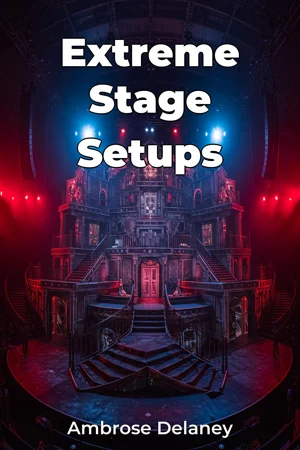
"Extreme Stage Setups" explores the fascinating intersection of engineering and artistic vision in theatrical design. It reveals how complex stage designs defy gravity, logic, and sometimes reality, by examining the underlying engineering principles like structural mechanics, hydraulics, and automation that ensure safety and precision. The book also highlights the vital collaboration between designers, directors, and technical teams, which transforms creative ideas into breathtaking experiences. The book uniquely emphasizes the symbiotic relationship between engineering and artistic creativity. It begins by introducing core concepts, then develops these ideas through case studies of specific productions and design elements. Readers gain insights into analyzing structural mechanics in flying systems, examining hydraulic and pneumatic systems for moving stages, and exploring computer-controlled automation for complex scene changes. The book culminates by examining practical applications like safety protocols and risk management, offering a balanced perspective valuable to students, designers, and anyone interested in the technical artistry of performing arts.
Book Details
ISBN
9788235245618
Publisher
Publifye AS
Your Licenses
You don't own any licenses for this book
Purchase a license below to unlock this book and download the EPUB.
Purchase License
Select a tier to unlock this book
Need bulk licensing?
Contact us for enterprise agreements.