
About This Book
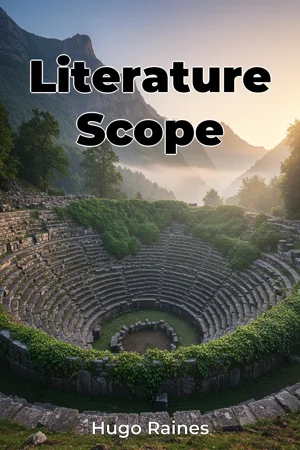
What if the stories we tell reveal more about our shared humanity than any historical account ever could? "Literature Scope" explores the vast landscape of literature as a global discipline, examining how narratives reflect universal human values and the conflicts that shape our world. This book delves into the powerful role literature plays in documenting history, preserving culture, and fostering understanding across diverse societies. This book addresses two core topics: Firstly, the representation of human values—such as justice, love, courage, and empathy—across diverse literary traditions. Secondly, the exploration of conflict, whether internal struggles or large-scale wars, and how these are portrayed and processed through storytelling. These are important because they provide vital insight into the complexities of human existence and the myriad ways societies grapple with ethical dilemmas and social change. To fully appreciate these themes, readers should have a basic understanding of literary analysis, historical context, and different cultural perspectives. The book intends to provide specific historical and social backgrounds pertinent to each literature discussed. The central argument of "Literature Scope" is that literature acts as a profound mirror, reflecting not only the specific historical and cultural contexts in which it is created but also the enduring values and conflicts that bind humanity together. Understanding this connection is crucial for cultivating empathy, promoting cross-cultural dialogue, and navigating today's increasingly interconnected yet conflicted world. The book is structured as follows: An introduction will define the key terms and establish the theoretical framework for understanding literature as a global discipline. The subsequent sections will develop this idea through three major points: a) An examination of literature's role in preserving cultural heritage and transmitting values across generations. b) An analysis of how literature portrays conflict, dissent, and resistance throughout history. c) A comparative study exploring the shared themes and variations in global literary traditions. The culmination of the argument will present actionable insights into how literary analysis enhances real-world understanding. We will offer practical applications for educators, policymakers, and general readers. To support its claims, "Literature Scope" draws on a wide range of primary literary texts and secondary scholarly sources. The analyses will use comparative literary techniques alongside historical contextualization to understand the evolution and impact of different works. This book makes interdisciplinary connections with history, sociology, and political science. By integrating these perspectives, the book highlights the multifaceted nature of literary study and its relevance to understanding social and political dynamics. It also connects to the field of education, as literary analysis has implications for teaching and fostering critical thinking skills in students. "Literature Scope" takes a comprehensive view by organizing literary works not by geographic location alone, but by examining them through shared thematic elements in order to reveal literature's scope as a shared human experience. The tone throughout the book is academic yet accessible, designed to be both informative and engaging for a broad audience. The intended readership includes students and scholars of literature, history, and cultural studies. It also caters to general readers interested in exploring the world through the lens of literature. The book is valuable to them because it offers a nuanced understanding of global cultures, historical events, and the enduring power of storytelling. This book follows the non-fiction genre conventions of Language Arts General and History. While the book strives to cover a broad range of literary traditions, it acknowledges that a complete survey of all world literature is impossible. The focus is on highlighting key examples that illustrate the interconnectedness of human values and conflicts across different cultures. Readers can apply the insights gained from "Literature Scope" to everyday life by enhancing their critical thinking skills, improving their cross-cultural communication abilities, and fostering a deeper appreciation for the diversity of human experience. By highlighting the shared values expressed in literature, readers can see different cultures as inherently relatable rather than foreign. The book recognizes ongoing debates about cultural appropriation, authenticity, and the interpretation of literary texts. It aims to provide a balanced and nuanced perspective on these issues, encouraging readers to engage in thoughtful discussions about the complexities of literary study.
What if the stories we tell reveal more about our shared humanity than any historical account ever could? "Literature Scope" explores the vast landscape of literature as a global discipline, examining how narratives reflect universal human values and the conflicts that shape our world. This book delves into the powerful role literature plays in documenting history, preserving culture, and fostering understanding across diverse societies. This book addresses two core topics: Firstly, the representation of human values—such as justice, love, courage, and empathy—across diverse literary traditions. Secondly, the exploration of conflict, whether internal struggles or large-scale wars, and how these are portrayed and processed through storytelling. These are important because they provide vital insight into the complexities of human existence and the myriad ways societies grapple with ethical dilemmas and social change. To fully appreciate these themes, readers should have a basic understanding of literary analysis, historical context, and different cultural perspectives. The book intends to provide specific historical and social backgrounds pertinent to each literature discussed. The central argument of "Literature Scope" is that literature acts as a profound mirror, reflecting not only the specific historical and cultural contexts in which it is created but also the enduring values and conflicts that bind humanity together. Understanding this connection is crucial for cultivating empathy, promoting cross-cultural dialogue, and navigating today's increasingly interconnected yet conflicted world. The book is structured as follows: An introduction will define the key terms and establish the theoretical framework for understanding literature as a global discipline. The subsequent sections will develop this idea through three major points: a) An examination of literature's role in preserving cultural heritage and transmitting values across generations. b) An analysis of how literature portrays conflict, dissent, and resistance throughout history. c) A comparative study exploring the shared themes and variations in global literary traditions. The culmination of the argument will present actionable insights into how literary analysis enhances real-world understanding. We will offer practical applications for educators, policymakers, and general readers. To support its claims, "Literature Scope" draws on a wide range of primary literary texts and secondary scholarly sources. The analyses will use comparative literary techniques alongside historical contextualization to understand the evolution and impact of different works. This book makes interdisciplinary connections with history, sociology, and political science. By integrating these perspectives, the book highlights the multifaceted nature of literary study and its relevance to understanding social and political dynamics. It also connects to the field of education, as literary analysis has implications for teaching and fostering critical thinking skills in students. "Literature Scope" takes a comprehensive view by organizing literary works not by geographic location alone, but by examining them through shared thematic elements in order to reveal literature's scope as a shared human experience. The tone throughout the book is academic yet accessible, designed to be both informative and engaging for a broad audience. The intended readership includes students and scholars of literature, history, and cultural studies. It also caters to general readers interested in exploring the world through the lens of literature. The book is valuable to them because it offers a nuanced understanding of global cultures, historical events, and the enduring power of storytelling. This book follows the non-fiction genre conventions of Language Arts General and History. While the book strives to cover a broad range of literary traditions, it acknowledges that a complete survey of all world literature is impossible. The focus is on highlighting key examples that illustrate the interconnectedness of human values and conflicts across different cultures. Readers can apply the insights gained from "Literature Scope" to everyday life by enhancing their critical thinking skills, improving their cross-cultural communication abilities, and fostering a deeper appreciation for the diversity of human experience. By highlighting the shared values expressed in literature, readers can see different cultures as inherently relatable rather than foreign. The book recognizes ongoing debates about cultural appropriation, authenticity, and the interpretation of literary texts. It aims to provide a balanced and nuanced perspective on these issues, encouraging readers to engage in thoughtful discussions about the complexities of literary study.
"Literature Scope" explores literature as a global discipline, revealing how stories reflect universal human values and the conflicts shaping our world. The book examines the role of literature in documenting history, preserving culture, and fostering cross-cultural understanding. It argues literature serves as a profound mirror, reflecting historical and cultural contexts alongside enduring values and conflicts that unite humanity. The book delves into how literature portrays conflict, whether internal struggles or large-scale wars, showing how societies grapple with ethical dilemmas and social change through storytelling. Readers gain insights into how literature preserves cultural heritage and transmits values across generations. The analysis also uses comparative literary techniques alongside historical contextualization to understand the evolution and impact of different works. Organized by shared thematic elements rather than geographic location, "Literature Scope" begins by defining key terms and establishing a theoretical framework. Subsequent sections examine literature’s role in preserving cultural heritage, analyzing portrayals of conflict, and exploring shared themes in global literary traditions. The book aims to enhance critical thinking skills and foster a deeper appreciation for the diversity of human experience.
Book Details
ISBN
9788235245595
Publisher
Publifye AS
Your Licenses
You don't own any licenses for this book
Purchase a license below to unlock this book and download the EPUB.
Purchase License
Select a tier to unlock this book
Need bulk licensing?
Contact us for enterprise agreements.