
About This Book
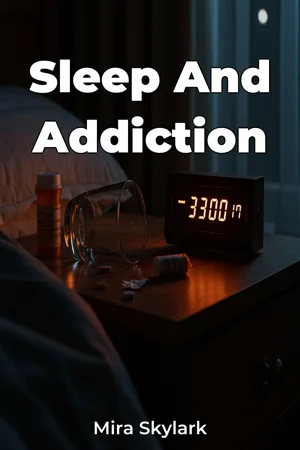
Is addiction stealing your sleep? The intricate relationship between addiction and sleep is often overlooked, yet profoundly impacts both recovery and overall well-being. "Sleep and Addiction" delves into this critical connection, exploring how substance use disorders disrupt sleep patterns and how these disruptions, in turn, exacerbate addictive behaviors and hinder the recovery process. This book addresses two primary areas: the neurobiological mechanisms through which various substances alter sleep architecture, and the practical strategies for improving sleep as a cornerstone of addiction recovery. Understanding these mechanisms is crucial because chronic sleep deprivation and disordered sleep cycles significantly impair cognitive function, emotional regulation, and relapse prevention. We will examine the historical context of understanding addiction and its physiological effects, including the delayed recognition of sleep's integral role. The book presumes a basic understanding of addiction as a chronic relapsing disorder, but will provide a detailed overview of sleep physiology for those unfamiliar. The central argument posits that adequate and healthy sleep is not merely a byproduct of successful addiction treatment but an essential pillar supporting long-term sobriety and improved mental health. Prioritizing sleep hygiene and addressing sleep disorders can significantly increase the effectiveness of addiction therapies and reduce the likelihood of relapse. The book is structured in three parts. First, we introduce the fundamentals of sleep science and addiction neuroscience. This section clarifies the normal sleep cycle, sleep stages, and the impact of various substances, such as alcohol, opioids, and stimulants, on the brain's sleep-wake regulation centers. Second, we explore the specific ways in which different addictions compromise sleep quality, leading to conditions like insomnia, sleep apnea, and restless legs syndrome. This section also highlights the cyclical nature of addiction and sleep disruption, where one exacerbates the other. Third, we present evidence-based strategies for improving sleep health in individuals recovering from addiction. These strategies encompass behavioral therapies like Cognitive Behavioral Therapy for Insomnia (CBT-I), pharmacological interventions, and lifestyle adjustments. The evidence provided is drawn from a wide range of sources, including clinical trials, longitudinal studies, and meta-analyses that examine the relationship between sleep, substance use, and recovery outcomes. The book refers to large-scale epidemiological studies and smaller, focused studies that employ polysomnography to objectively measure sleep patterns in addicted populations. This book intersects with several disciplines. It connects to the field of psychology through its exploration of cognitive and behavioral therapies for sleep improvement, and to the field of neuroscience by detailing the neurochemical effects of substances on the brain’s sleep centers. Further, it relates to general health and fitness by promoting lifestyle factors (diet, exercise) conducive to both good sleep and sustained recovery. A unique aspect of this book is its practical focus. It goes beyond simply describing the problem by providing actionable steps for individuals, therapists, and healthcare providers to address sleep disturbances in the context of addiction recovery. This combines scientific rigor with practical guidance, distinguishing it from purely theoretical works. The tone will be informative and accessible, avoiding jargon and presenting complex information in a clear, understandable manner. While grounded in scientific research, the writing style will be engaging and empathetic to the challenges faced by individuals struggling with addiction and sleep problems. This book is intended for a broad audience, including individuals in recovery, their families, addiction counselors, therapists, medical professionals, and anyone seeking to understand the intricate connection between sleep and addiction. It will be valuable to those seeking evidence-based strategies for improving sleep and supporting long-term recovery. In alignment with the conventions of health and fitness writing, the book is educational and solution-oriented, focusing on practical advice based on scientific research. The scope focuses primarily on the adult population and the most common substance use disorders. While acknowledging the importance of addressing co-occurring mental health conditions, the book primarily concentrates on the direct relationship between sleep and addiction. The guidance can be used, for example, to develop personalized sleep hygiene plans, inform therapeutic interventions, and educate patients about the importance of sleep in their recovery journey. The book also addresses controversies, such as the use of sleep medications in individuals with addiction histories, by presenting a balanced view of their potential benefits and risks.
Is addiction stealing your sleep? The intricate relationship between addiction and sleep is often overlooked, yet profoundly impacts both recovery and overall well-being. "Sleep and Addiction" delves into this critical connection, exploring how substance use disorders disrupt sleep patterns and how these disruptions, in turn, exacerbate addictive behaviors and hinder the recovery process. This book addresses two primary areas: the neurobiological mechanisms through which various substances alter sleep architecture, and the practical strategies for improving sleep as a cornerstone of addiction recovery. Understanding these mechanisms is crucial because chronic sleep deprivation and disordered sleep cycles significantly impair cognitive function, emotional regulation, and relapse prevention. We will examine the historical context of understanding addiction and its physiological effects, including the delayed recognition of sleep's integral role. The book presumes a basic understanding of addiction as a chronic relapsing disorder, but will provide a detailed overview of sleep physiology for those unfamiliar. The central argument posits that adequate and healthy sleep is not merely a byproduct of successful addiction treatment but an essential pillar supporting long-term sobriety and improved mental health. Prioritizing sleep hygiene and addressing sleep disorders can significantly increase the effectiveness of addiction therapies and reduce the likelihood of relapse. The book is structured in three parts. First, we introduce the fundamentals of sleep science and addiction neuroscience. This section clarifies the normal sleep cycle, sleep stages, and the impact of various substances, such as alcohol, opioids, and stimulants, on the brain's sleep-wake regulation centers. Second, we explore the specific ways in which different addictions compromise sleep quality, leading to conditions like insomnia, sleep apnea, and restless legs syndrome. This section also highlights the cyclical nature of addiction and sleep disruption, where one exacerbates the other. Third, we present evidence-based strategies for improving sleep health in individuals recovering from addiction. These strategies encompass behavioral therapies like Cognitive Behavioral Therapy for Insomnia (CBT-I), pharmacological interventions, and lifestyle adjustments. The evidence provided is drawn from a wide range of sources, including clinical trials, longitudinal studies, and meta-analyses that examine the relationship between sleep, substance use, and recovery outcomes. The book refers to large-scale epidemiological studies and smaller, focused studies that employ polysomnography to objectively measure sleep patterns in addicted populations. This book intersects with several disciplines. It connects to the field of psychology through its exploration of cognitive and behavioral therapies for sleep improvement, and to the field of neuroscience by detailing the neurochemical effects of substances on the brain’s sleep centers. Further, it relates to general health and fitness by promoting lifestyle factors (diet, exercise) conducive to both good sleep and sustained recovery. A unique aspect of this book is its practical focus. It goes beyond simply describing the problem by providing actionable steps for individuals, therapists, and healthcare providers to address sleep disturbances in the context of addiction recovery. This combines scientific rigor with practical guidance, distinguishing it from purely theoretical works. The tone will be informative and accessible, avoiding jargon and presenting complex information in a clear, understandable manner. While grounded in scientific research, the writing style will be engaging and empathetic to the challenges faced by individuals struggling with addiction and sleep problems. This book is intended for a broad audience, including individuals in recovery, their families, addiction counselors, therapists, medical professionals, and anyone seeking to understand the intricate connection between sleep and addiction. It will be valuable to those seeking evidence-based strategies for improving sleep and supporting long-term recovery. In alignment with the conventions of health and fitness writing, the book is educational and solution-oriented, focusing on practical advice based on scientific research. The scope focuses primarily on the adult population and the most common substance use disorders. While acknowledging the importance of addressing co-occurring mental health conditions, the book primarily concentrates on the direct relationship between sleep and addiction. The guidance can be used, for example, to develop personalized sleep hygiene plans, inform therapeutic interventions, and educate patients about the importance of sleep in their recovery journey. The book also addresses controversies, such as the use of sleep medications in individuals with addiction histories, by presenting a balanced view of their potential benefits and risks.
Sleep And Addiction examines the critical, often overlooked relationship between sleep and substance use disorders, highlighting how disrupted sleep patterns can both result from and exacerbate addictive behaviors. The book argues that prioritizing healthy sleep is not just a consequence of successful addiction treatment but a fundamental pillar supporting long-term recovery and improved mental health. Did you know that chronic sleep deprivation impairs cognitive function and emotional regulation, increasing the risk of relapse? Sleep And Addiction progresses systematically, beginning with the fundamentals of sleep science and addiction neuroscience before exploring how different addictions compromise sleep quality, leading to conditions like insomnia and sleep apnea. It then presents evidence-based strategies, including Cognitive Behavioral Therapy for Insomnia (CBT-I) and lifestyle adjustments, to improve sleep health during addiction recovery. This approach combines scientific rigor with practical guidance, offering actionable steps for individuals, therapists, and healthcare providers. Sleep And Addiction provides unique value by offering a practical, solution-oriented focus. Unlike purely theoretical works, it arms readers with the knowledge to develop personalized sleep hygiene plans and informs therapeutic interventions, emphasizing the crucial role of sleep in the recovery journey. It also examines controversies such as sleep medication use among those with addiction histories, presenting a balanced view of potential benefits and risks.
Book Details
ISBN
9788235245410
Publisher
Publifye AS
Your Licenses
You don't own any licenses for this book
Purchase a license below to unlock this book and download the EPUB.
Purchase License
Select a tier to unlock this book
Need bulk licensing?
Contact us for enterprise agreements.