
About This Book
Have you ever wondered why a sunset evokes such powerful emotions, or why certain color combinations catch your eye while others don't? "Color Mixing" delves into the science and art behind these phenomena, revealing the intricate interplay of light, pigment, and perception that shapes our visual world. We explore the fundamental principles of color theory, the practical techniques of color mixing, and the profound ways in which color influences our understanding and appreciation of art and the natural world. This book addresses three key areas: the physics of color, the psychology of color, and the practical application of color mixing. Understanding how light interacts with objects to create color is crucial, as is comprehending how our brains interpret these signals. We reveal the scientific basis behind why primary colors can be combined to create virtually any other hue, and why the same color can appear drastically different depending on the light source or surrounding colors. The book further explores the emotional and cultural associations we have with different colors, examining how these associations affect our artistic choices and aesthetic preferences. The central argument of "Color Mixing" is that a deeper understanding of color theory and mixing techniques not only enhances artistic skill but also cultivates a richer, more informed perspective on the world. We contend that color is more than just a visual attribute; it is a language, a tool, and a gateway to unlocking deeper levels of creativity and understanding. The book is structured in a progressive manner, beginning with an introduction to the basic principles of color theory, including the color wheel, primary, secondary, and tertiary colors, and the concepts of hue, saturation, and value. We then delve into the physics of light and pigment, explaining how different substances absorb and reflect light to create color. A significant portion of the book is dedicated to practical color mixing techniques, covering both traditional methods like watercolor and oil painting, as well as digital color mixing techniques used in graphic design and digital art. We examine color harmony, exploring different color schemes like complementary, analogous, and triadic, and illustrating how to use these schemes to create visually appealing compositions. The book culminates in a discussion of the psychological and cultural associations of color, examining how color is used in art, design, and marketing to evoke specific emotions and convey specific messages. The book will draw upon a variety of sources, including scientific studies on color perception, historical analyses of color use in art, and practical demonstrations of color mixing techniques. We will cite research from fields such as visual neuroscience, psychology, and art history to support our arguments. "Color Mixing" connects to several other fields, including physics (the study of light), psychology (the study of perception and emotion), and cultural studies (the study of how color is used to create meaning). These interdisciplinary connections enrich our understanding of color and demonstrate its pervasive influence across various aspects of human experience. This book distinguishes itself by combining a scientific approach to color theory with practical artistic techniques, providing readers with a comprehensive understanding of color from both perspectives. It is written in a clear, accessible style, making it suitable for a wide range of readers, from students and amateur artists to professional designers and anyone interested in learning more about color. The target audience includes artists, designers, students, and hobbyists who want to deepen their understanding of color and improve their color mixing skills. The book will also be valuable to educators who teach art, design, or color theory. As a non-fiction book in the genres of Science and Art, "Color Mixing" aims to present factual information in a clear and engaging manner, supported by evidence and research. It avoids subjective opinions and focuses on providing readers with a solid foundation in color theory and practice. The scope of "Color Mixing" is limited to the principles and techniques of color mixing and their applications in art and design. It does not cover highly specialized topics such as color printing or industrial color matching. The information in "Color Mixing" can be applied in a variety of real-world contexts, from painting and drawing to graphic design and interior decorating. Readers will learn how to choose colors effectively, create harmonious color schemes, and use color to evoke specific emotions and convey specific messages.
Have you ever wondered why a sunset evokes such powerful emotions, or why certain color combinations catch your eye while others don't? "Color Mixing" delves into the science and art behind these phenomena, revealing the intricate interplay of light, pigment, and perception that shapes our visual world. We explore the fundamental principles of color theory, the practical techniques of color mixing, and the profound ways in which color influences our understanding and appreciation of art and the natural world. This book addresses three key areas: the physics of color, the psychology of color, and the practical application of color mixing. Understanding how light interacts with objects to create color is crucial, as is comprehending how our brains interpret these signals. We reveal the scientific basis behind why primary colors can be combined to create virtually any other hue, and why the same color can appear drastically different depending on the light source or surrounding colors. The book further explores the emotional and cultural associations we have with different colors, examining how these associations affect our artistic choices and aesthetic preferences. The central argument of "Color Mixing" is that a deeper understanding of color theory and mixing techniques not only enhances artistic skill but also cultivates a richer, more informed perspective on the world. We contend that color is more than just a visual attribute; it is a language, a tool, and a gateway to unlocking deeper levels of creativity and understanding. The book is structured in a progressive manner, beginning with an introduction to the basic principles of color theory, including the color wheel, primary, secondary, and tertiary colors, and the concepts of hue, saturation, and value. We then delve into the physics of light and pigment, explaining how different substances absorb and reflect light to create color. A significant portion of the book is dedicated to practical color mixing techniques, covering both traditional methods like watercolor and oil painting, as well as digital color mixing techniques used in graphic design and digital art. We examine color harmony, exploring different color schemes like complementary, analogous, and triadic, and illustrating how to use these schemes to create visually appealing compositions. The book culminates in a discussion of the psychological and cultural associations of color, examining how color is used in art, design, and marketing to evoke specific emotions and convey specific messages. The book will draw upon a variety of sources, including scientific studies on color perception, historical analyses of color use in art, and practical demonstrations of color mixing techniques. We will cite research from fields such as visual neuroscience, psychology, and art history to support our arguments. "Color Mixing" connects to several other fields, including physics (the study of light), psychology (the study of perception and emotion), and cultural studies (the study of how color is used to create meaning). These interdisciplinary connections enrich our understanding of color and demonstrate its pervasive influence across various aspects of human experience. This book distinguishes itself by combining a scientific approach to color theory with practical artistic techniques, providing readers with a comprehensive understanding of color from both perspectives. It is written in a clear, accessible style, making it suitable for a wide range of readers, from students and amateur artists to professional designers and anyone interested in learning more about color. The target audience includes artists, designers, students, and hobbyists who want to deepen their understanding of color and improve their color mixing skills. The book will also be valuable to educators who teach art, design, or color theory. As a non-fiction book in the genres of Science and Art, "Color Mixing" aims to present factual information in a clear and engaging manner, supported by evidence and research. It avoids subjective opinions and focuses on providing readers with a solid foundation in color theory and practice. The scope of "Color Mixing" is limited to the principles and techniques of color mixing and their applications in art and design. It does not cover highly specialized topics such as color printing or industrial color matching. The information in "Color Mixing" can be applied in a variety of real-world contexts, from painting and drawing to graphic design and interior decorating. Readers will learn how to choose colors effectively, create harmonious color schemes, and use color to evoke specific emotions and convey specific messages.
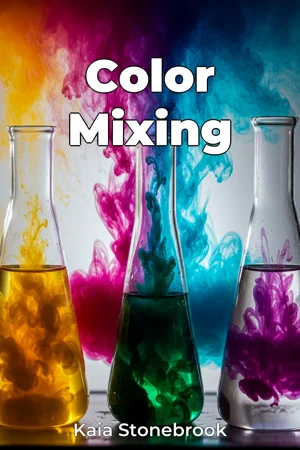
"Color Mixing" explores the fascinating intersection of art and science, revealing the principles behind color theory and its practical applications. It delves into how light interacts with objects to create color and how our brains interpret these signals, providing a foundation for understanding color perception and artistic techniques. Discover why primary colors can generate almost any hue and how context dramatically alters color appearance. The book examines pigment, light, color schemes, and color mixing techniques, progressing from basic concepts like the color wheel and hue, saturation, and value to more advanced topics such as color harmony and the psychological impact of color. By blending scientific insights with artistic methods, it offers a unique perspective valuable to artists, designers, and anyone keen on understanding the visual world. This approach allows readers to enhance their artistic skills and gain a deeper appreciation for color's role in art, design, and even marketing, illustrating how color evokes emotions and conveys messages. The book's progressive structure ensures a comprehensive understanding, making it a valuable resource for both beginners and experienced practitioners in visual arts.
Book Details
ISBN
9788235245342
Publisher
Publifye AS
Your Licenses
You don't own any licenses for this book
Purchase a license below to unlock this book and download the EPUB.
Purchase License
Select a tier to unlock this book
Need bulk licensing?
Contact us for enterprise agreements.