
About This Book
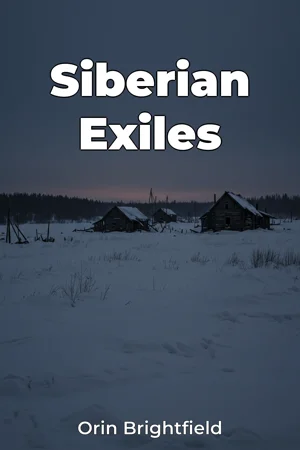
Imagine a land where the weight of imperial power met the vast, unforgiving expanse of nature – Siberia. For centuries, this remote territory served as a destination for those deemed undesirable by Russian rulers, from political dissidents to common criminals. "Siberian Exiles" explores the intricate history of this practice, examining its profound impact on both the exiles themselves and the development of Siberia. This book delves into three central themes. First, it examines the evolution of the exile system, from its early, often haphazard beginnings to the more structured and institutionalized practices of the Tsarist and Soviet regimes. Second, it focuses on the diverse experiences of the exiles, highlighting the varied social backgrounds, political beliefs, and personal stories that shaped their lives in Siberia. Finally, it analyzes the long-term consequences of exile on Siberian society, including its demographic composition, economic development, and cultural identity. These topics are important because Siberian exile was not simply a form of punishment; it was a complex social and political phenomenon that fundamentally altered the course of Russian and Siberian history. Understanding the context of Russian imperial expansion and the socio-political structures of the Tsarist and Soviet states is crucial. Readers should be familiar with the basic timelines of Russian history, the concepts of autocracy and political dissent, and the general geography of Russia and Siberia. The central argument of "Siberian Exiles" is that exile, though intended as a tool of repression, inadvertently contributed to the development of Siberia by bringing diverse populations, skills, and ideas to the region. The book demonstrates how the presence of exiles shaped Siberian culture, economy, and politics, often in ways unintended by the central government. The book begins by introducing the concept of exile as a historical practice, tracing its roots in Russia and other parts of the world. It then details the establishment and evolution of the Siberian exile system, exploring the legal frameworks, administrative structures, and logistical challenges involved. The book is organized into key sections: * Part 1 explores the Tsarist era, detailing the types of people exiled (political, religious, and criminal), the conditions of their exile, and the early impacts on Siberian communities. * Part 2 shifts the focus to the Soviet period, examining the expansion of the exile system under Stalin, the rise of the Gulag, and the experiences of political prisoners and forced laborers. * Part 3 investigates the long-term social, cultural, and economic consequences of exile on Siberia, including the formation of distinct regional identities and the ongoing legacies of repression. The culmination of the argument arrives in the conclusion, summarizing the unintended consequences of Siberian exile. The book draws on a wide range of primary source material, including archival documents, prison records, personal letters, diaries, memoirs, and photographs. It also incorporates secondary scholarship from historians, sociologists, and anthropologists. The unique data includes newly accessible archival material that sheds light on the experiences of individual exiles and the workings of the exile system. "Siberian Exiles" connects to other disciplines such as sociology (examining the social dynamics of exile communities), geography (analyzing the spatial distribution of exile settlements), and political science (understanding the relationship between state power and individual resistance). These interdisciplinary connections enrich the analysis and provide a more nuanced understanding of the subject. Highlighting the voices and lived experiences of the exiles sets this book apart. Rather than focusing solely on the policies and institutions of the state, it gives prominence to the individuals who were directly affected by exile, bringing their stories to the forefront. The book adopts a scholarly yet accessible tone. While grounded in rigorous historical research, it avoids jargon and presents information in a clear and engaging manner suitable for a broad readership. The target audience includes students and scholars of Russian history, Siberian studies, and political repression. It is also aimed at general readers interested in learning more about this fascinating and often overlooked aspect of world history. This book would be valuable to them because it provides a comprehensive and nuanced account of a major historical phenomenon. As a work of history, "Siberian Exiles" adheres to the genre's conventions of rigorous research, accurate citation, and balanced interpretation. It avoids sensationalism and strives to present a fair and objective account of the past. The scope of the book is limited to the period of state-sponsored exile in Siberia, from the 17th century to the late 20th century. The information in the book can be applied to contemporary discussions about political repression, human rights, and the legacies of colonialism. It also provides valuable insights into the complex relationship between power, geography, and human agency. The book addresses ongoing debates about the motivations behind Siberian exile, the extent of its impact on Siberian society, and the ethical implications of using exile as a form of punishment.
Imagine a land where the weight of imperial power met the vast, unforgiving expanse of nature – Siberia. For centuries, this remote territory served as a destination for those deemed undesirable by Russian rulers, from political dissidents to common criminals. "Siberian Exiles" explores the intricate history of this practice, examining its profound impact on both the exiles themselves and the development of Siberia. This book delves into three central themes. First, it examines the evolution of the exile system, from its early, often haphazard beginnings to the more structured and institutionalized practices of the Tsarist and Soviet regimes. Second, it focuses on the diverse experiences of the exiles, highlighting the varied social backgrounds, political beliefs, and personal stories that shaped their lives in Siberia. Finally, it analyzes the long-term consequences of exile on Siberian society, including its demographic composition, economic development, and cultural identity. These topics are important because Siberian exile was not simply a form of punishment; it was a complex social and political phenomenon that fundamentally altered the course of Russian and Siberian history. Understanding the context of Russian imperial expansion and the socio-political structures of the Tsarist and Soviet states is crucial. Readers should be familiar with the basic timelines of Russian history, the concepts of autocracy and political dissent, and the general geography of Russia and Siberia. The central argument of "Siberian Exiles" is that exile, though intended as a tool of repression, inadvertently contributed to the development of Siberia by bringing diverse populations, skills, and ideas to the region. The book demonstrates how the presence of exiles shaped Siberian culture, economy, and politics, often in ways unintended by the central government. The book begins by introducing the concept of exile as a historical practice, tracing its roots in Russia and other parts of the world. It then details the establishment and evolution of the Siberian exile system, exploring the legal frameworks, administrative structures, and logistical challenges involved. The book is organized into key sections: * Part 1 explores the Tsarist era, detailing the types of people exiled (political, religious, and criminal), the conditions of their exile, and the early impacts on Siberian communities. * Part 2 shifts the focus to the Soviet period, examining the expansion of the exile system under Stalin, the rise of the Gulag, and the experiences of political prisoners and forced laborers. * Part 3 investigates the long-term social, cultural, and economic consequences of exile on Siberia, including the formation of distinct regional identities and the ongoing legacies of repression. The culmination of the argument arrives in the conclusion, summarizing the unintended consequences of Siberian exile. The book draws on a wide range of primary source material, including archival documents, prison records, personal letters, diaries, memoirs, and photographs. It also incorporates secondary scholarship from historians, sociologists, and anthropologists. The unique data includes newly accessible archival material that sheds light on the experiences of individual exiles and the workings of the exile system. "Siberian Exiles" connects to other disciplines such as sociology (examining the social dynamics of exile communities), geography (analyzing the spatial distribution of exile settlements), and political science (understanding the relationship between state power and individual resistance). These interdisciplinary connections enrich the analysis and provide a more nuanced understanding of the subject. Highlighting the voices and lived experiences of the exiles sets this book apart. Rather than focusing solely on the policies and institutions of the state, it gives prominence to the individuals who were directly affected by exile, bringing their stories to the forefront. The book adopts a scholarly yet accessible tone. While grounded in rigorous historical research, it avoids jargon and presents information in a clear and engaging manner suitable for a broad readership. The target audience includes students and scholars of Russian history, Siberian studies, and political repression. It is also aimed at general readers interested in learning more about this fascinating and often overlooked aspect of world history. This book would be valuable to them because it provides a comprehensive and nuanced account of a major historical phenomenon. As a work of history, "Siberian Exiles" adheres to the genre's conventions of rigorous research, accurate citation, and balanced interpretation. It avoids sensationalism and strives to present a fair and objective account of the past. The scope of the book is limited to the period of state-sponsored exile in Siberia, from the 17th century to the late 20th century. The information in the book can be applied to contemporary discussions about political repression, human rights, and the legacies of colonialism. It also provides valuable insights into the complex relationship between power, geography, and human agency. The book addresses ongoing debates about the motivations behind Siberian exile, the extent of its impact on Siberian society, and the ethical implications of using exile as a form of punishment.
"Siberian Exiles" delves into the history of Siberia as a destination for those exiled by Russian rulers. For centuries, people ranging from political dissidents to criminals were sent to this remote territory, and the book explores the evolution of this system under both the Tsarist and Soviet regimes. The narrative highlights the diverse experiences of these exiles, revealing how their varied backgrounds and beliefs shaped life in Siberia. The book argues that while exile was intended as a tool for political repression, it inadvertently spurred the development of Siberia. It examines how the influx of diverse populations, skills, and ideas influenced Siberian culture, economy, and politics. For example, the forced labor of exiles contributed significantly to the region's resource extraction industries. Divided into three parts, the book first explores the Tsarist era, then shifts to the Soviet period and the rise of the Gulag, and finally investigates the long-term consequences of exile on Siberian society. By highlighting the lived experiences of the exiles and drawing on archival documents, "Siberian Exiles" provides a nuanced understanding of this complex history. It offers valuable insights into the intersection of political power, geography, and human agency, making it a compelling read for anyone interested in Russian and world history.
Book Details
ISBN
9788235245199
Publisher
Publifye AS
Your Licenses
You don't own any licenses for this book
Purchase a license below to unlock this book and download the EPUB.
Purchase License
Select a tier to unlock this book
Need bulk licensing?
Contact us for enterprise agreements.