
About This Book
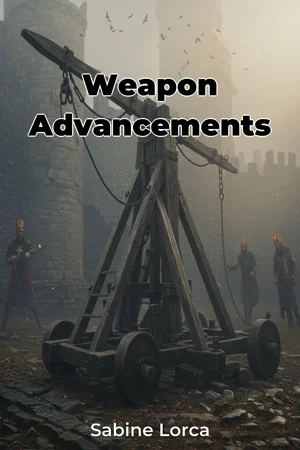
How have tools of war shaped civilization, and how has civilization, in turn, shaped them? "Weapon Advancements" examines the long and complex evolution of battlefield technology, tracing its origins from rudimentary hand weapons to the sophisticated systems that define modern warfare. This is not merely a chronicle of destruction; it is a study of innovation, adaptation, and the enduring human drive to overcome adversaries. The book primarily investigates key turning points in military technology: the advent of metallurgy and its impact on weaponry; the gunpowder revolution and the rise of firearms; and the technological leaps of the industrial age, culminating in modern precision-guided munitions and cyber warfare capabilities. These topics are crucial because they provide insights into not only the conduct of warfare but also the broader social, economic, and political forces that drive technological development. "Weapon Advancements" argues that military technology is not solely a product of scientific ingenuity; it is inextricably linked to societal needs, economic constraints, and strategic doctrines. The book explores how these factors interact to shape the development, adoption, and proliferation of weapons throughout history. The book is structured chronologically, beginning with an examination of prehistoric weapons and early siege engines. It then progresses through the development of swords, armor, and fortifications in antiquity and the Middle Ages. The gunpowder revolution forms a central section, detailing the evolution of firearms from crude cannons to sophisticated rifles and artillery. The industrial era is explored through its impact on naval warfare, mechanized armies, and the development of air power. Finally, the book addresses modern military innovations, including nuclear weapons, precision-guided munitions, cyber warfare, and drone technology. The analysis is bolstered by historical accounts, archaeological findings, and technical specifications. The book references primary source materials where available, including military manuals, engineering drawings, and battle reports. "Weapon Advancements" intersects with a number of fields, including material science (the study of metals and explosives), engineering (the design and construction of weapons systems), and political science (the impact of military technology on international relations). Furthermore, economic history is relevant to understand the massive investment needed for weapons research and production. These interdisciplinary connections enrich the book's analysis and provide a more complete understanding of the subject matter. While numerous books document specific weapons or battles, "Weapon Advancements" offers a broader perspective, connecting technological changes to larger historical trends and societal shifts. It presents a cohesive narrative that emphasizes the interplay between technology, strategy, and social context. Written in a clear and accessible style, "Weapon Advancements" targets a diverse readership, including military historians, technology enthusiasts, students of history, and anyone interested in the evolution of warfare. The book provides a comprehensive overview of the subject without requiring specialized technical knowledge. The scope of "Weapon Advancements" is intentionally broad, covering a wide range of military technologies across different historical periods and geographic regions. However, it does not delve into overly technical discussions of specific weapons systems, focusing instead on the broader trends and developments. The study of weapon advancements offers practical insights into the nature of innovation, the role of technology in society, and the enduring challenges of maintaining peace and security in a world shaped by conflict. Understanding the past can inform our understanding of the present and help us anticipate the future. Ethical considerations regarding the development and use of weapons are also addressed, acknowledging the ongoing debates about the moral implications of military technology and the challenges of regulating its use.
How have tools of war shaped civilization, and how has civilization, in turn, shaped them? "Weapon Advancements" examines the long and complex evolution of battlefield technology, tracing its origins from rudimentary hand weapons to the sophisticated systems that define modern warfare. This is not merely a chronicle of destruction; it is a study of innovation, adaptation, and the enduring human drive to overcome adversaries. The book primarily investigates key turning points in military technology: the advent of metallurgy and its impact on weaponry; the gunpowder revolution and the rise of firearms; and the technological leaps of the industrial age, culminating in modern precision-guided munitions and cyber warfare capabilities. These topics are crucial because they provide insights into not only the conduct of warfare but also the broader social, economic, and political forces that drive technological development. "Weapon Advancements" argues that military technology is not solely a product of scientific ingenuity; it is inextricably linked to societal needs, economic constraints, and strategic doctrines. The book explores how these factors interact to shape the development, adoption, and proliferation of weapons throughout history. The book is structured chronologically, beginning with an examination of prehistoric weapons and early siege engines. It then progresses through the development of swords, armor, and fortifications in antiquity and the Middle Ages. The gunpowder revolution forms a central section, detailing the evolution of firearms from crude cannons to sophisticated rifles and artillery. The industrial era is explored through its impact on naval warfare, mechanized armies, and the development of air power. Finally, the book addresses modern military innovations, including nuclear weapons, precision-guided munitions, cyber warfare, and drone technology. The analysis is bolstered by historical accounts, archaeological findings, and technical specifications. The book references primary source materials where available, including military manuals, engineering drawings, and battle reports. "Weapon Advancements" intersects with a number of fields, including material science (the study of metals and explosives), engineering (the design and construction of weapons systems), and political science (the impact of military technology on international relations). Furthermore, economic history is relevant to understand the massive investment needed for weapons research and production. These interdisciplinary connections enrich the book's analysis and provide a more complete understanding of the subject matter. While numerous books document specific weapons or battles, "Weapon Advancements" offers a broader perspective, connecting technological changes to larger historical trends and societal shifts. It presents a cohesive narrative that emphasizes the interplay between technology, strategy, and social context. Written in a clear and accessible style, "Weapon Advancements" targets a diverse readership, including military historians, technology enthusiasts, students of history, and anyone interested in the evolution of warfare. The book provides a comprehensive overview of the subject without requiring specialized technical knowledge. The scope of "Weapon Advancements" is intentionally broad, covering a wide range of military technologies across different historical periods and geographic regions. However, it does not delve into overly technical discussions of specific weapons systems, focusing instead on the broader trends and developments. The study of weapon advancements offers practical insights into the nature of innovation, the role of technology in society, and the enduring challenges of maintaining peace and security in a world shaped by conflict. Understanding the past can inform our understanding of the present and help us anticipate the future. Ethical considerations regarding the development and use of weapons are also addressed, acknowledging the ongoing debates about the moral implications of military technology and the challenges of regulating its use.
"Weapon Advancements" explores the intricate relationship between civilization and the evolution of military technology, examining how tools of war have shaped societies, and conversely, how societal needs have driven technological innovation. From rudimentary hand weapons to precision-guided munitions and cyber warfare, the book traces key turning points, such as the advent of metallurgy and the gunpowder revolution, demonstrating how these advancements reshaped warfare and broader social, economic, and political landscapes. One intriguing insight is how economic constraints and strategic doctrines often dictated the development and proliferation of weapons, highlighting that military technology is not solely the product of scientific ingenuity. The book adopts a chronological approach, progressing from prehistoric weapons and siege engines through the development of swords, armor, and fortifications in antiquity and the Middle Ages. It then delves into the impact of the industrial era on naval warfare, mechanized armies, and air power, before addressing modern innovations like nuclear weapons and drone technology. By integrating historical accounts, archaeological findings, and technical specifications, "Weapon Advancements" provides a comprehensive overview, emphasizing the interplay between technology, strategy, and social context, making it valuable for military history enthusiasts and anyone interested in the evolution of warfare.
Book Details
ISBN
9788235245175
Publisher
Publifye AS
Your Licenses
You don't own any licenses for this book
Purchase a license below to unlock this book and download the EPUB.
Purchase License
Select a tier to unlock this book
Need bulk licensing?
Contact us for enterprise agreements.