
About This Book
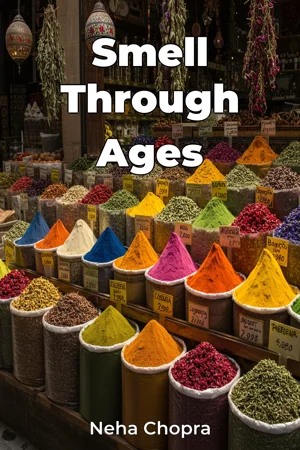
Have our noses led us through history, subtly shaping our preferences and perceptions more than we realize? "Smell Through Ages" embarks on a scientific and historical journey to uncover the ever-evolving story of human olfaction. This book explores how our sense of smell, often underestimated, has been profoundly influenced by environmental shifts, cultural practices, and the relentless march of technological progress, fundamentally altering our sensitivities and preferences. The central argument of "Smell Through Ages" is that human olfactory perception isn't a static, biologically determined trait but a dynamic characteristic molded by a complex interplay of factors that reflect the human experience through time. This perspective is crucial as it challenges common assumptions about our senses as fixed aspects of human biology, revealing instead the profound impact of culture and environment. Understanding this dynamic nature is vital for appreciating the breadth of human experience and for anticipating future shifts in our sensorium. This book is structured around a central theme: the transformation of olfactory landscapes. It begins by establishing the fundamental neuroscience of smell, detailing how odor molecules interact with our olfactory receptors and how these signals are processed in the brain. The initial chapters delve into the pre-historic and ancient eras, examining how early humans relied on smell for survival, identifying food sources, detecting predators, and even navigating their environments. We explore the scentscape of ancient civilizations, including the use of incense in religious rituals, perfumes in personal grooming, and spices in culinary practices. The narrative then moves into the medieval and early modern periods, charting the impact of urbanization and industrialization on olfactory experiences. This section analyses the rise of new smells—both pleasant and foul—associated with growing cities, trade routes, and the burgeoning manufacturing industries. The book then explores how scientific advancements in the 19th and 20th centuries, such as the isolation and synthesis of odor molecules, revolutionized the perfume industry and influenced our perception of cleanliness and hygiene. "Smell Through Ages" draws on a diverse array of evidence, including archaeological findings, historical texts, scientific studies, perfumery records, and sociological analyses of consumer behavior. The book integrates knowledge from fields such as anthropology, archaeology, chemistry, neuroscience, and cultural studies to provide a comprehensive overview of how our relationship with smell has changed. The book will connect to other fields such as environmental science, examining the impact of pollution on our sense of smell and public health initiatives. In addition, it will also connect with the culinary arts and the role of smell in taste and food preferences, and marketing, exploring how industries use scents to manipulate consumer behavior. This book offers a unique perspective by focusing on the longitudinal changes in human olfaction, emphasizing the dynamic interplay of biological, cultural, and technological forces. "Smell Through Ages" is written in an engaging and accessible style, designed for a broad audience interested in science, history, culture, and sensory perception. It aims to appeal to students, academics, and anyone curious about the hidden history of our senses. The book's scope is intentionally broad, covering a vast historical timeline, but it acknowledges limitations in the availability of detailed olfactory records for certain periods and regions. "Smell Through Ages" will also touch upon the ongoing debates surrounding the impact of synthetic fragrances on human health and the ethical considerations of manipulating olfactory experiences.
Have our noses led us through history, subtly shaping our preferences and perceptions more than we realize? "Smell Through Ages" embarks on a scientific and historical journey to uncover the ever-evolving story of human olfaction. This book explores how our sense of smell, often underestimated, has been profoundly influenced by environmental shifts, cultural practices, and the relentless march of technological progress, fundamentally altering our sensitivities and preferences. The central argument of "Smell Through Ages" is that human olfactory perception isn't a static, biologically determined trait but a dynamic characteristic molded by a complex interplay of factors that reflect the human experience through time. This perspective is crucial as it challenges common assumptions about our senses as fixed aspects of human biology, revealing instead the profound impact of culture and environment. Understanding this dynamic nature is vital for appreciating the breadth of human experience and for anticipating future shifts in our sensorium. This book is structured around a central theme: the transformation of olfactory landscapes. It begins by establishing the fundamental neuroscience of smell, detailing how odor molecules interact with our olfactory receptors and how these signals are processed in the brain. The initial chapters delve into the pre-historic and ancient eras, examining how early humans relied on smell for survival, identifying food sources, detecting predators, and even navigating their environments. We explore the scentscape of ancient civilizations, including the use of incense in religious rituals, perfumes in personal grooming, and spices in culinary practices. The narrative then moves into the medieval and early modern periods, charting the impact of urbanization and industrialization on olfactory experiences. This section analyses the rise of new smells—both pleasant and foul—associated with growing cities, trade routes, and the burgeoning manufacturing industries. The book then explores how scientific advancements in the 19th and 20th centuries, such as the isolation and synthesis of odor molecules, revolutionized the perfume industry and influenced our perception of cleanliness and hygiene. "Smell Through Ages" draws on a diverse array of evidence, including archaeological findings, historical texts, scientific studies, perfumery records, and sociological analyses of consumer behavior. The book integrates knowledge from fields such as anthropology, archaeology, chemistry, neuroscience, and cultural studies to provide a comprehensive overview of how our relationship with smell has changed. The book will connect to other fields such as environmental science, examining the impact of pollution on our sense of smell and public health initiatives. In addition, it will also connect with the culinary arts and the role of smell in taste and food preferences, and marketing, exploring how industries use scents to manipulate consumer behavior. This book offers a unique perspective by focusing on the longitudinal changes in human olfaction, emphasizing the dynamic interplay of biological, cultural, and technological forces. "Smell Through Ages" is written in an engaging and accessible style, designed for a broad audience interested in science, history, culture, and sensory perception. It aims to appeal to students, academics, and anyone curious about the hidden history of our senses. The book's scope is intentionally broad, covering a vast historical timeline, but it acknowledges limitations in the availability of detailed olfactory records for certain periods and regions. "Smell Through Ages" will also touch upon the ongoing debates surrounding the impact of synthetic fragrances on human health and the ethical considerations of manipulating olfactory experiences.
"Smell Through Ages" explores the fascinating, often overlooked, story of human olfaction through a scientific and historical lens. The book argues that our sense of smell isn't a fixed trait but rather a dynamic characteristic shaped by environmental shifts, cultural practices, and technological advancements. Readers will discover how early humans used smell for survival, identifying food and detecting danger, and how ancient civilizations incorporated scents like incense and perfumes into daily life. The book progresses chronologically, starting with the neuroscience of smell and the olfactory experiences of prehistoric and ancient eras. It then examines the impact of urbanization and industrialization on our olfactory landscapes during the medieval and early modern periods, highlighting the rise of new and often unpleasant smells associated with growing cities. The book further explores how scientific advancements revolutionized the perfume industry and influenced our perceptions of cleanliness. Drawing on diverse evidence from archaeology, history, science, and cultural studies, "Smell Through Ages" offers a comprehensive overview of our evolving relationship with scent. It uniquely emphasizes the dynamic interplay of biological, cultural, and technological forces, making it a valuable read for anyone curious about the hidden history of our senses and sensory perception.
Book Details
ISBN
9788235245137
Publisher
Publifye AS
Your Licenses
You don't own any licenses for this book
Purchase a license below to unlock this book and download the EPUB.
Purchase License
Select a tier to unlock this book
Need bulk licensing?
Contact us for enterprise agreements.