
About This Book
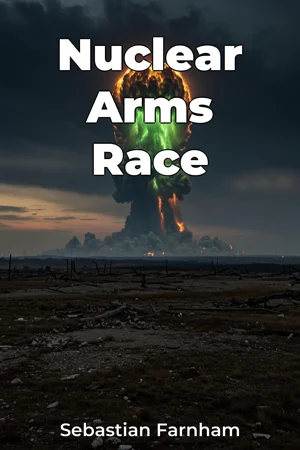
How did the specter of nuclear annihilation come to define an era, and what are its lingering implications in our world today? *Nuclear Arms Race* delves into the intricate history of nuclear weapons, from their initial development during World War II to their proliferation and the geopolitical tensions they fueled throughout the Cold War and beyond. This book argues that the nuclear arms race was not merely a military buildup, but a complex interplay of political ideologies, scientific advancements, and human fallibility that continues to shape international relations. This study examines three primary areas. First, the technological innovation and ethical considerations surrounding the creation of nuclear weapons. Second, the strategies and policies adopted by major powers during the Cold War, including deterrence, arms control negotiations, and proxy conflicts. Third, the post-Cold War landscape, addressing nuclear proliferation challenges, disarmament efforts, and the ongoing threat of nuclear terrorism. Understanding these aspects is crucial for comprehending the current global security environment and the persistent risks posed by nuclear arsenals. The book provides historical context by tracing the evolution of nuclear technology and the shifting political dynamics of the 20th and 21st centuries. It assumes readers possess a basic understanding of Cold War history and international relations. *Nuclear Arms Race* is structured to provide a comprehensive understanding of its subject. It begins by introducing the scientific principles behind nuclear weapons and the moral dilemmas faced by the scientists involved in their creation. The book then explores the escalating arms race between the United States and the Soviet Union, analyzing key events such as the Cuban Missile Crisis and the Strategic Arms Limitation Talks (SALT). It culminates by examining the challenges of nuclear non-proliferation in the 21st century, addressing the roles of international organizations, the emergence of new nuclear powers, and the potential for arms reduction. Evidence is drawn from declassified government documents, archival materials, scientific reports, and academic research. The book also incorporates insights from interviews with policymakers, military strategists, and scientists who played key roles in the nuclear age. This book connects military history, political science, and science and technology studies, offering a multi-faceted analysis of nuclear weapons. It stands out by examining the psychological factors that influenced decision-making during periods of high tension, providing a more human-centered perspective on the arms race. The writing style is academic yet accessible, aiming to inform and engage a broad audience. It is intended for students of history, political science, and international relations, as well as general readers interested in understanding the complexities of nuclear weapons and their impact on the world. As a work of military history, it adheres to standards of factual accuracy and objective analysis. The scope of *Nuclear Arms Race* encompasses the global development and deployment of nuclear weapons, focusing on major players and key events, with limitations placed on deep dives into specific tactical deployments of the weapons. The information presented can be applied to contemporary policy debates on nuclear disarmament and international security. The book addresses ongoing controversies surrounding nuclear deterrence theory, the effectiveness of arms control treaties, and the ethical implications of possessing weapons of mass destruction. *Nuclear Arms Race* provides a foundation for understanding the past, navigating the present, and shaping a more secure future.
How did the specter of nuclear annihilation come to define an era, and what are its lingering implications in our world today? *Nuclear Arms Race* delves into the intricate history of nuclear weapons, from their initial development during World War II to their proliferation and the geopolitical tensions they fueled throughout the Cold War and beyond. This book argues that the nuclear arms race was not merely a military buildup, but a complex interplay of political ideologies, scientific advancements, and human fallibility that continues to shape international relations. This study examines three primary areas. First, the technological innovation and ethical considerations surrounding the creation of nuclear weapons. Second, the strategies and policies adopted by major powers during the Cold War, including deterrence, arms control negotiations, and proxy conflicts. Third, the post-Cold War landscape, addressing nuclear proliferation challenges, disarmament efforts, and the ongoing threat of nuclear terrorism. Understanding these aspects is crucial for comprehending the current global security environment and the persistent risks posed by nuclear arsenals. The book provides historical context by tracing the evolution of nuclear technology and the shifting political dynamics of the 20th and 21st centuries. It assumes readers possess a basic understanding of Cold War history and international relations. *Nuclear Arms Race* is structured to provide a comprehensive understanding of its subject. It begins by introducing the scientific principles behind nuclear weapons and the moral dilemmas faced by the scientists involved in their creation. The book then explores the escalating arms race between the United States and the Soviet Union, analyzing key events such as the Cuban Missile Crisis and the Strategic Arms Limitation Talks (SALT). It culminates by examining the challenges of nuclear non-proliferation in the 21st century, addressing the roles of international organizations, the emergence of new nuclear powers, and the potential for arms reduction. Evidence is drawn from declassified government documents, archival materials, scientific reports, and academic research. The book also incorporates insights from interviews with policymakers, military strategists, and scientists who played key roles in the nuclear age. This book connects military history, political science, and science and technology studies, offering a multi-faceted analysis of nuclear weapons. It stands out by examining the psychological factors that influenced decision-making during periods of high tension, providing a more human-centered perspective on the arms race. The writing style is academic yet accessible, aiming to inform and engage a broad audience. It is intended for students of history, political science, and international relations, as well as general readers interested in understanding the complexities of nuclear weapons and their impact on the world. As a work of military history, it adheres to standards of factual accuracy and objective analysis. The scope of *Nuclear Arms Race* encompasses the global development and deployment of nuclear weapons, focusing on major players and key events, with limitations placed on deep dives into specific tactical deployments of the weapons. The information presented can be applied to contemporary policy debates on nuclear disarmament and international security. The book addresses ongoing controversies surrounding nuclear deterrence theory, the effectiveness of arms control treaties, and the ethical implications of possessing weapons of mass destruction. *Nuclear Arms Race* provides a foundation for understanding the past, navigating the present, and shaping a more secure future.
*Nuclear Arms Race* explores the complex history of nuclear weapons, from their creation to their lasting impact on global politics. It argues that the nuclear arms race was more than just a military buildup; it was a product of political ideologies, scientific breakthroughs, and human error, shaping international relations even today. The book uniquely examines the psychological factors influencing decision-making during high-tension periods, offering a human-centered perspective. The book progresses by first introducing the science behind nuclear weapons and the ethical dilemmas faced by their creators. It then analyzes the Cold War arms race, including events like the Cuban Missile Crisis and the SALT talks. Finally, it addresses post-Cold War challenges like nuclear proliferation and terrorism, drawing on declassified documents, archival materials, and interviews with key figures. This approach provides a comprehensive understanding of nuclear weapons and their impact on the world.
Book Details
ISBN
9788235245014
Publisher
Publifye AS
Your Licenses
You don't own any licenses for this book
Purchase a license below to unlock this book and download the EPUB.
Purchase License
Select a tier to unlock this book
Need bulk licensing?
Contact us for enterprise agreements.