
About This Book
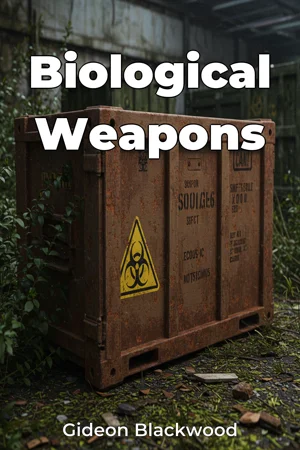
What if the next major conflict isn't fought with bullets and bombs, but with invisible, silent killers? This book, "Biological Weapons," delves into the complex and often terrifying world of biological warfare, exploring its history, devastating potential, and the ongoing struggle to prevent its proliferation. Understanding biological weapons – their development, deployment, and regulation – is crucial in an era where scientific advancements blur the lines between progress and peril. The relevance of this topic is undeniable, affecting international security, public health, and the very future of warfare. This work examines the multifaceted history of biological weapons, tracing their evolution from ancient attempts at poisoning water supplies to sophisticated modern agents capable of mass destruction. It contextualizes this history within the broader framework of military strategy and international relations, emphasizing the social, political, and ethical dimensions of their use. The central argument of "Biological Weapons" is that the threat of biological warfare, though often underestimated, remains a clear and present danger in the 21st century. Despite international treaties and conventions, the potential for state-sponsored programs and terrorist utilization persists, fueled by technological advancements and geopolitical instability. This book underscores the necessity of continued vigilance, robust regulatory frameworks, and international cooperation to mitigate this threat effectively. The book begins by introducing the fundamental concepts of biological weapons, including the types of agents used (bacteria, viruses, toxins), their mechanisms of action, and historical examples of their use or threatened use. Major sections then address the development of these weapons, detailing the scientific research and technological advancements that made them possible, and then the ethical considerations. It further analyzes the impact of biological weapons on warfare, examining their potential to disrupt military operations, cause mass casualties, and destabilize entire regions. Special attention is given to specific historical incidents and case studies, providing concrete examples of the consequences of biological warfare. The culmination of the book focuses on international efforts to prevent proliferation, analyzing existing treaties, verification mechanisms, and the challenges of enforcing compliance. Practical implications are discussed in terms of public health preparedness, counter-terrorism strategies, and the role of international organizations in monitoring and responding to potential biological attacks. The evidence presented relies on a combination of primary source documents, scientific literature, governmental reports, and expert testimony. This involves the analysis of declassified military archives, scientific studies on the properties and effects of biological agents, and reports from international organizations such as the World Health Organization (WHO) and the United Nations (UN). "Biological Weapons" connects to various fields, including military history by analyzing the strategic and tactical implications, public health by examining the potential impacts on healthcare systems and disease control, and international law by exploring the legal frameworks governing the use and production.. These connections enrich the book's argument by demonstrating the far-reaching consequences of biological warfare across multiple sectors. What sets this book apart is its integrated approach, combining a detailed historical analysis with a contemporary assessment of the threats and challenges posed by biological weapons. By framing the argument within the context of both military strategy and public health, it offers a comprehensive and nuanced understanding of this complex issue. Written in a clear and accessible style, this book is intended for a broad audience, including students of military history, international relations, and public health, as well as policymakers, security analysts, and anyone interested in understanding the dangers of biological warfare. Understanding the complexities of biological weapons is important for informed public discourse. In adhering to the conventions of military history, current events, and military genres, this book provides a fact-based, objective analysis, avoiding sensationalism or speculation. The scope is intentionally broad, covering the entire history of biological weapons but is limited to focusing on state-sponsored programs and terrorist utilization. The information within this book facilitates a greater understanding of the risks associated with biological weapons, enabling informed decision-making in public policy and security. It provides a resource for analyzing potential threats, developing effective countermeasures, and promoting international cooperation in the fight against biological warfare. The book also addresses existing controversies, such as the debate over dual-use research (research with both peaceful and military applications) and the challenges of verifying compliance with international treaties. It acknowledges the complexities and ambiguities inherent in this field, presenting multiple perspectives and fostering critical thinking.
What if the next major conflict isn't fought with bullets and bombs, but with invisible, silent killers? This book, "Biological Weapons," delves into the complex and often terrifying world of biological warfare, exploring its history, devastating potential, and the ongoing struggle to prevent its proliferation. Understanding biological weapons – their development, deployment, and regulation – is crucial in an era where scientific advancements blur the lines between progress and peril. The relevance of this topic is undeniable, affecting international security, public health, and the very future of warfare. This work examines the multifaceted history of biological weapons, tracing their evolution from ancient attempts at poisoning water supplies to sophisticated modern agents capable of mass destruction. It contextualizes this history within the broader framework of military strategy and international relations, emphasizing the social, political, and ethical dimensions of their use. The central argument of "Biological Weapons" is that the threat of biological warfare, though often underestimated, remains a clear and present danger in the 21st century. Despite international treaties and conventions, the potential for state-sponsored programs and terrorist utilization persists, fueled by technological advancements and geopolitical instability. This book underscores the necessity of continued vigilance, robust regulatory frameworks, and international cooperation to mitigate this threat effectively. The book begins by introducing the fundamental concepts of biological weapons, including the types of agents used (bacteria, viruses, toxins), their mechanisms of action, and historical examples of their use or threatened use. Major sections then address the development of these weapons, detailing the scientific research and technological advancements that made them possible, and then the ethical considerations. It further analyzes the impact of biological weapons on warfare, examining their potential to disrupt military operations, cause mass casualties, and destabilize entire regions. Special attention is given to specific historical incidents and case studies, providing concrete examples of the consequences of biological warfare. The culmination of the book focuses on international efforts to prevent proliferation, analyzing existing treaties, verification mechanisms, and the challenges of enforcing compliance. Practical implications are discussed in terms of public health preparedness, counter-terrorism strategies, and the role of international organizations in monitoring and responding to potential biological attacks. The evidence presented relies on a combination of primary source documents, scientific literature, governmental reports, and expert testimony. This involves the analysis of declassified military archives, scientific studies on the properties and effects of biological agents, and reports from international organizations such as the World Health Organization (WHO) and the United Nations (UN). "Biological Weapons" connects to various fields, including military history by analyzing the strategic and tactical implications, public health by examining the potential impacts on healthcare systems and disease control, and international law by exploring the legal frameworks governing the use and production.. These connections enrich the book's argument by demonstrating the far-reaching consequences of biological warfare across multiple sectors. What sets this book apart is its integrated approach, combining a detailed historical analysis with a contemporary assessment of the threats and challenges posed by biological weapons. By framing the argument within the context of both military strategy and public health, it offers a comprehensive and nuanced understanding of this complex issue. Written in a clear and accessible style, this book is intended for a broad audience, including students of military history, international relations, and public health, as well as policymakers, security analysts, and anyone interested in understanding the dangers of biological warfare. Understanding the complexities of biological weapons is important for informed public discourse. In adhering to the conventions of military history, current events, and military genres, this book provides a fact-based, objective analysis, avoiding sensationalism or speculation. The scope is intentionally broad, covering the entire history of biological weapons but is limited to focusing on state-sponsored programs and terrorist utilization. The information within this book facilitates a greater understanding of the risks associated with biological weapons, enabling informed decision-making in public policy and security. It provides a resource for analyzing potential threats, developing effective countermeasures, and promoting international cooperation in the fight against biological warfare. The book also addresses existing controversies, such as the debate over dual-use research (research with both peaceful and military applications) and the challenges of verifying compliance with international treaties. It acknowledges the complexities and ambiguities inherent in this field, presenting multiple perspectives and fostering critical thinking.
"Biological Weapons" explores the history and potential dangers of biological warfare, a critical topic for international security and public health. The book traces the evolution of these weapons, from ancient poisoning attempts to modern agents capable of mass destruction, highlighting their impact on military strategy and international relations. One intriguing aspect is that despite international treaties, the threat persists due to state-sponsored programs and potential terrorist utilization, fueled by technological advancements. Readers will gain insight into the types of agents used, their mechanisms, and historical incidents that underscore the consequences of biological warfare. The book's unique value lies in its integrated approach, combining historical analysis with a contemporary assessment of threats and challenges. It frames the argument within the context of both military strategy and public health, providing a nuanced understanding. The book begins by introducing fundamental concepts, then progresses through the development of these weapons, ethical considerations, and impact on warfare. Ultimately, it focuses on international efforts to prevent proliferation, analyzing treaties and the challenges of compliance.
Book Details
ISBN
9788235244987
Publisher
Publifye AS
Your Licenses
You don't own any licenses for this book
Purchase a license below to unlock this book and download the EPUB.
Purchase License
Select a tier to unlock this book
Need bulk licensing?
Contact us for enterprise agreements.