
About This Book
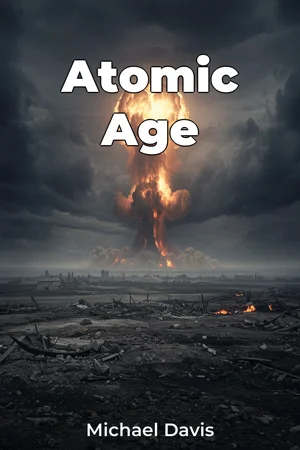
How did the splitting of the atom not only unleash unprecedented destructive power but also fundamentally alter the course of international relations and reshape the very fabric of global politics? "Atomic Age" delves into the complex and multifaceted history of nuclear weapons development, the ensuing Cold War arms race, and the enduring consequences of atomic energy on the world stage. This book examines the transformation of warfare, diplomacy, and societal anxieties in the wake of the atomic age. It is crucial to comprehend this era to grasp the foundations of contemporary global power structures and ongoing debates about nuclear proliferation. "Atomic Age" provides a contextual background beginning with the scientific breakthroughs that made nuclear weapons possible. Readers will explore the Manhattan Project, the moral dilemmas faced by scientists, and the immediate aftermath of the bombings of Hiroshima and Nagasaki, setting the stage for understanding the intense geopolitical tensions that followed. The book's central argument posits that the development and proliferation of nuclear weapons fundamentally redefined international politics, ushering in an era of unprecedented risk and fundamentally reshaping diplomatic strategies. It argues that the threat of mutually assured destruction (MAD) both stabilized and destabilized the global order, leading to proxy conflicts, espionage, and constant fear. The book follows a structured approach, beginning with an overview of nuclear physics and the genesis of the atomic bomb. It then moves into an examination of the Cold War, exploring the nuclear arms race between the United States and the Soviet Union, including key events like the Cuban Missile Crisis and the development of strategic deterrence doctrines. The text culminates with an analysis of post-Cold War nuclear proliferation challenges, examining the roles of emerging nuclear powers and the ongoing efforts to control and reduce nuclear arsenals. Furthermore, real-world applications and implications are explored through case studies such as nuclear non-proliferation treaties and the challenges of nuclear waste disposal. The arguments presented are supported by extensive research drawing from declassified government documents, scientific reports, and firsthand accounts from key figures involved in the development and deployment of nuclear weapons. It connects military history with elements of political science, international relations, and science and technology studies, offering a multidisciplinary understanding of the atomic age. This book offers a fresh perspective by examining the long-term societal and cultural impacts of nuclear weapons, including the psychological effects of living under the constant threat of nuclear annihilation. Rather than simply presenting a chronological account, "Atomic Age" analyzes the underlying forces that shaped the nuclear age, offering insights into the complex interplay of science, politics, and human psychology. Written in an accessible and engaging style, "Atomic Age" aims to reach a broad audience, including students, researchers, policymakers, and anyone interested in understanding the history and implications of nuclear weapons. It is particularly valuable for those studying military history, political science, and international relations. In adherence to the conventions of military and political history, the book provides rigorous analysis of primary source material and incorporates diverse perspectives. The scope is intentionally broad covering the period from the 1930s to the present day, while acknowledging that a complete examination of every aspect of nuclear history is beyond the scope. Readers can apply the information to better understand contemporary debates about nuclear disarmament, arms control, and the ongoing threat of nuclear terrorism, fostering informed discussions and promoting critical thinking. The book also addresses ongoing debates about the ethics of nuclear deterrence and the future of nuclear weapons in a multipolar world.
How did the splitting of the atom not only unleash unprecedented destructive power but also fundamentally alter the course of international relations and reshape the very fabric of global politics? "Atomic Age" delves into the complex and multifaceted history of nuclear weapons development, the ensuing Cold War arms race, and the enduring consequences of atomic energy on the world stage. This book examines the transformation of warfare, diplomacy, and societal anxieties in the wake of the atomic age. It is crucial to comprehend this era to grasp the foundations of contemporary global power structures and ongoing debates about nuclear proliferation. "Atomic Age" provides a contextual background beginning with the scientific breakthroughs that made nuclear weapons possible. Readers will explore the Manhattan Project, the moral dilemmas faced by scientists, and the immediate aftermath of the bombings of Hiroshima and Nagasaki, setting the stage for understanding the intense geopolitical tensions that followed. The book's central argument posits that the development and proliferation of nuclear weapons fundamentally redefined international politics, ushering in an era of unprecedented risk and fundamentally reshaping diplomatic strategies. It argues that the threat of mutually assured destruction (MAD) both stabilized and destabilized the global order, leading to proxy conflicts, espionage, and constant fear. The book follows a structured approach, beginning with an overview of nuclear physics and the genesis of the atomic bomb. It then moves into an examination of the Cold War, exploring the nuclear arms race between the United States and the Soviet Union, including key events like the Cuban Missile Crisis and the development of strategic deterrence doctrines. The text culminates with an analysis of post-Cold War nuclear proliferation challenges, examining the roles of emerging nuclear powers and the ongoing efforts to control and reduce nuclear arsenals. Furthermore, real-world applications and implications are explored through case studies such as nuclear non-proliferation treaties and the challenges of nuclear waste disposal. The arguments presented are supported by extensive research drawing from declassified government documents, scientific reports, and firsthand accounts from key figures involved in the development and deployment of nuclear weapons. It connects military history with elements of political science, international relations, and science and technology studies, offering a multidisciplinary understanding of the atomic age. This book offers a fresh perspective by examining the long-term societal and cultural impacts of nuclear weapons, including the psychological effects of living under the constant threat of nuclear annihilation. Rather than simply presenting a chronological account, "Atomic Age" analyzes the underlying forces that shaped the nuclear age, offering insights into the complex interplay of science, politics, and human psychology. Written in an accessible and engaging style, "Atomic Age" aims to reach a broad audience, including students, researchers, policymakers, and anyone interested in understanding the history and implications of nuclear weapons. It is particularly valuable for those studying military history, political science, and international relations. In adherence to the conventions of military and political history, the book provides rigorous analysis of primary source material and incorporates diverse perspectives. The scope is intentionally broad covering the period from the 1930s to the present day, while acknowledging that a complete examination of every aspect of nuclear history is beyond the scope. Readers can apply the information to better understand contemporary debates about nuclear disarmament, arms control, and the ongoing threat of nuclear terrorism, fostering informed discussions and promoting critical thinking. The book also addresses ongoing debates about the ethics of nuclear deterrence and the future of nuclear weapons in a multipolar world.
"Atomic Age" explores how the splitting of the atom not only unleashed unprecedented destructive power but also fundamentally altered international relations and reshaped global politics. The book delves into the complex history of nuclear weapons development, the Cold War arms race, and the lasting effects of atomic energy. It reveals how the threat of mutually assured destruction both stabilized and destabilized the global order, leading to proxy conflicts and constant fear. The book examines the transformation of warfare, diplomacy, and societal anxieties, presenting a fresh perspective on the long-term societal and cultural impacts of nuclear weapons. Beginning with the scientific breakthroughs and the Manhattan Project, the book transitions into an examination of the Cold War, exploring the nuclear arms race, and concludes with an analysis of post-Cold War nuclear proliferation challenges. Supported by declassified documents and firsthand accounts, it connects military history with political science and international relations. This multidisciplinary approach offers readers a comprehensive understanding of the atomic age and helps them better understand contemporary debates about nuclear disarmament and arms control.
Book Details
ISBN
9788235244949
Publisher
Publifye AS
Your Licenses
You don't own any licenses for this book
Purchase a license below to unlock this book and download the EPUB.
Purchase License
Select a tier to unlock this book
Need bulk licensing?
Contact us for enterprise agreements.