
About This Book
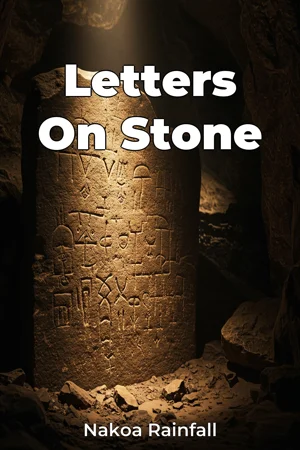
Can the silent stones of the past truly speak to us today? "Letters On Stone" embarks on a journey through the world of ancient inscriptions, revealing how these enduring messages have served as vital conduits of knowledge and keys to unlocking the secrets of lost civilizations. This book explores the multifaceted role of inscriptions, from their creation and purpose to their eventual rediscovery and decipherment, highlighting their continuing significance in our understanding of the human story. The book's core revolves around three fundamental topics: the diverse functions of ancient inscriptions, the meticulous processes involved in their decipherment, and the profound impact they have had on reshaping our comprehension of history. Understanding these inscriptions is crucial; they offer firsthand accounts from the past, untainted by later interpretations or biases, providing invaluable insights into the beliefs, social structures, and daily lives of ancient peoples. To fully appreciate the significance of inscriptions, the book delves into the historical and cultural contexts in which they were created. It examines the materials used, the techniques of inscription, and the social roles of scribes and artisans in different societies. This foundation will enable the reader to understand the challenges and triumphs of those who dedicated themselves to preserving knowledge in durable form. The central argument of "Letters On Stone" is that ancient inscriptions are not merely static relics of the past but rather dynamic voices that continue to resonate across millennia, offering unparalleled access to the thoughts and experiences of those who came before us. By meticulously analyzing these inscriptions, we gain a deeper and more nuanced understanding of human history, challenging conventional narratives and illuminating previously unknown aspects of ancient cultures. The book is structured to guide the reader through a comprehensive exploration of this topic. It begins by introducing the fundamental concepts of epigraphy, the study of inscriptions. It then progresses through major themes, such as the role of inscriptions in preserving royal decrees and religious tenets, as well as in documenting everyday transactions and personal expressions. Major sections explore the decipherment process, detailing iconic cases such as the Rosetta Stone and Linear B, explaining the methodology of linguistic analysis, and the collaborative work of archaeologists, linguists, and historians. The book culminates by showcasing the profound implications of deciphered inscriptions for rewriting history, challenging established theories, and enriching our understanding of cultural evolution. The book draws upon a wide range of evidence, including detailed analyses of specific inscriptions from various cultures, archaeological findings, and comparative linguistic studies. Furthermore, it considers the latest scholarly research in epigraphy and related fields, incorporating diverse perspectives and interpretations. "Letters On Stone" naturally connects with diverse fields such as archaeology, linguistics, art history, and religious studies. By examining inscriptions as both linguistic artifacts and cultural objects, the book offers a holistic perspective that transcends disciplinary boundaries. For example, the study of religious inscriptions sheds light on ancient belief systems, while the analysis of trade records provides insights into economic history. What sets "Letters On Stone" apart is its emphasis on the human element behind each inscription. By examining the motivations of the individuals who created and deciphered these texts, the book offers a fresh and engaging perspective on the past. The book is written in an accessible style that balances scholarly rigor with engaging storytelling. Technical terms are clearly defined, and complex concepts are explained in a way that is easy for non-specialists to understand. "Letters On Stone" is intended for anyone with an interest in history, archaeology, languages, or ancient civilizations. It will appeal to students, researchers, and general readers alike, providing a captivating journey into the world of ancient inscriptions and their enduring legacy. As a work of non-fiction, "Letters On Stone" adheres to the highest standards of accuracy and objectivity. It presents information in a clear, concise, and well-documented manner, avoiding speculation and relying on verifiable evidence. The scope of "Letters On Stone" encompasses a broad range of ancient cultures and writing systems, while acknowledging that a comprehensive treatment of every inscription is impossible. The book focuses on selected examples that illustrate key concepts and themes. The knowledge gained from "Letters On Stone" can be applied in many practical ways. It can enhance our understanding of different cultures, promote cross-cultural communication, and foster a greater appreciation for the diversity of human history. While the decipherment of ancient inscriptions has yielded invaluable insights, debates persist regarding the interpretation of certain texts and the broader implications of these discoveries. "Letters On Stone" addresses these controversies in a balanced and fair manner, presenting different viewpoints and encouraging critical thinking.
Can the silent stones of the past truly speak to us today? "Letters On Stone" embarks on a journey through the world of ancient inscriptions, revealing how these enduring messages have served as vital conduits of knowledge and keys to unlocking the secrets of lost civilizations. This book explores the multifaceted role of inscriptions, from their creation and purpose to their eventual rediscovery and decipherment, highlighting their continuing significance in our understanding of the human story. The book's core revolves around three fundamental topics: the diverse functions of ancient inscriptions, the meticulous processes involved in their decipherment, and the profound impact they have had on reshaping our comprehension of history. Understanding these inscriptions is crucial; they offer firsthand accounts from the past, untainted by later interpretations or biases, providing invaluable insights into the beliefs, social structures, and daily lives of ancient peoples. To fully appreciate the significance of inscriptions, the book delves into the historical and cultural contexts in which they were created. It examines the materials used, the techniques of inscription, and the social roles of scribes and artisans in different societies. This foundation will enable the reader to understand the challenges and triumphs of those who dedicated themselves to preserving knowledge in durable form. The central argument of "Letters On Stone" is that ancient inscriptions are not merely static relics of the past but rather dynamic voices that continue to resonate across millennia, offering unparalleled access to the thoughts and experiences of those who came before us. By meticulously analyzing these inscriptions, we gain a deeper and more nuanced understanding of human history, challenging conventional narratives and illuminating previously unknown aspects of ancient cultures. The book is structured to guide the reader through a comprehensive exploration of this topic. It begins by introducing the fundamental concepts of epigraphy, the study of inscriptions. It then progresses through major themes, such as the role of inscriptions in preserving royal decrees and religious tenets, as well as in documenting everyday transactions and personal expressions. Major sections explore the decipherment process, detailing iconic cases such as the Rosetta Stone and Linear B, explaining the methodology of linguistic analysis, and the collaborative work of archaeologists, linguists, and historians. The book culminates by showcasing the profound implications of deciphered inscriptions for rewriting history, challenging established theories, and enriching our understanding of cultural evolution. The book draws upon a wide range of evidence, including detailed analyses of specific inscriptions from various cultures, archaeological findings, and comparative linguistic studies. Furthermore, it considers the latest scholarly research in epigraphy and related fields, incorporating diverse perspectives and interpretations. "Letters On Stone" naturally connects with diverse fields such as archaeology, linguistics, art history, and religious studies. By examining inscriptions as both linguistic artifacts and cultural objects, the book offers a holistic perspective that transcends disciplinary boundaries. For example, the study of religious inscriptions sheds light on ancient belief systems, while the analysis of trade records provides insights into economic history. What sets "Letters On Stone" apart is its emphasis on the human element behind each inscription. By examining the motivations of the individuals who created and deciphered these texts, the book offers a fresh and engaging perspective on the past. The book is written in an accessible style that balances scholarly rigor with engaging storytelling. Technical terms are clearly defined, and complex concepts are explained in a way that is easy for non-specialists to understand. "Letters On Stone" is intended for anyone with an interest in history, archaeology, languages, or ancient civilizations. It will appeal to students, researchers, and general readers alike, providing a captivating journey into the world of ancient inscriptions and their enduring legacy. As a work of non-fiction, "Letters On Stone" adheres to the highest standards of accuracy and objectivity. It presents information in a clear, concise, and well-documented manner, avoiding speculation and relying on verifiable evidence. The scope of "Letters On Stone" encompasses a broad range of ancient cultures and writing systems, while acknowledging that a comprehensive treatment of every inscription is impossible. The book focuses on selected examples that illustrate key concepts and themes. The knowledge gained from "Letters On Stone" can be applied in many practical ways. It can enhance our understanding of different cultures, promote cross-cultural communication, and foster a greater appreciation for the diversity of human history. While the decipherment of ancient inscriptions has yielded invaluable insights, debates persist regarding the interpretation of certain texts and the broader implications of these discoveries. "Letters On Stone" addresses these controversies in a balanced and fair manner, presenting different viewpoints and encouraging critical thinking.
"Letters On Stone" explores the fascinating world of ancient inscriptions and their critical role in understanding lost civilizations. It delves into how these enduring messages, etched in stone, provide direct, untainted insights into the beliefs, social structures, and daily lives of ancient peoples, offering a unique window into the past. The book examines the diverse functions of these inscriptions, from royal decrees to personal expressions, and the meticulous decipherment processes that unlock their secrets. The book highlights iconic cases like the Rosetta Stone and Linear B, illustrating the collaborative efforts of archaeologists, linguists, and historians in linguistic analysis. It emphasizes that ancient inscriptions are not static relics but dynamic voices that challenge conventional narratives and enrich our understanding of cultural evolution. The study of these ancient languages reveals much about ancient history. The narrative progresses from introducing epigraphy to exploring major themes such as royal decrees and religious tenets, and culminates in showcasing the profound implications of deciphered inscriptions for rewriting history. "Letters On Stone" emphasizes the human element behind each inscription, offering a fresh perspective on the past and making it a valuable resource for anyone interested in history, archaeology, or ancient civilizations.
Book Details
ISBN
9788235244833
Publisher
Publifye AS
Your Licenses
You don't own any licenses for this book
Purchase a license below to unlock this book and download the EPUB.
Purchase License
Select a tier to unlock this book
Need bulk licensing?
Contact us for enterprise agreements.