
About This Book
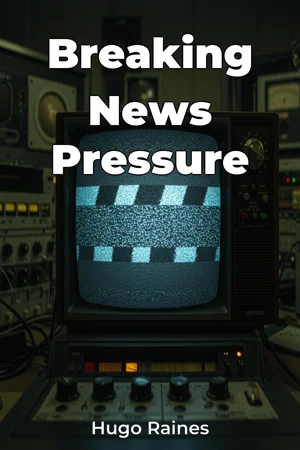
Imagine the pressure: A major global event unfolds, and you're the one responsible for delivering the first accurate account to millions of viewers. "Breaking News Pressure" delves into the high-stakes world of live television news, examining the unique challenges, ethical dilemmas, and intense competition networks face when reporting breaking stories. This book explores not only the process of disseminating information in real time but also the profound impact these decisions have on public perception and the course of events. One of the central topics is the inherent conflict between speed and accuracy in breaking news situations. The book investigates how networks grapple with incomplete information, rapidly changing circumstances, and the constant pressure to be the first to report a story. By analyzing specific case studies, we reveal the common pitfalls that lead to errors and retractions, and the strategies employed to mitigate these risks. We consider how the 24-hour news cycle and the rise of social media have exacerbated this tension, creating an environment where verification often takes a backseat to immediacy. A second key area of focus is the intense competitive landscape of broadcast journalism. We examine how networks vie for ratings and market share by striving to "break" stories before their rivals. This competition influences editorial decisions as networks battle to attract viewers. The book analyzes the consequences of this pressure, including sensationalism, biased reporting, and the potential for spreading misinformation. Through interviews with journalists, producers, and network executives, we offer an inside look at the strategies and tactics used to gain a competitive edge. The book is framed by the argument that the pursuit of speed and competitive advantage in breaking news often undermines the core principles of journalism: accuracy, objectivity, and fairness. It contends that while technology has revolutionized news dissemination, it has also created new challenges for ensuring responsible and ethical reporting. The book emphasizes the need for greater transparency, accountability, and a renewed commitment to journalistic integrity in the face of these pressures. "Breaking News Pressure" begins by establishing the historical context of live television news, tracing its evolution from the early days of broadcast journalism to the present era of instantaneous global communication. It then explores the specific challenges of reporting breaking news, including verifying information, managing sources, and dealing with emotional stress. Major points include case studies of specific breaking news events, analysis of network policies and procedures, and examination of the ethical considerations involved. The book concludes by offering recommendations for improving the quality and reliability of breaking news coverage. The evidence presented in the book draws from a variety of sources, including interviews with journalists and media experts, internal network documents, academic research on media bias and accuracy, and detailed analysis of specific news reports. The book also incorporates data from audience surveys and media consumption studies to assess the impact of breaking news coverage on public opinion. This book connects to other fields such as media studies, political science, and sociology. It examines how media coverage influences public opinion and political discourse, and how social and cultural factors shape the way news is produced and consumed. What sets "Breaking News Pressure" apart is its comprehensive and in-depth analysis of the inner workings of live television news. It offers a nuanced and balanced perspective on the challenges and pressures that journalists face, while also holding networks accountable for their ethical responsibilities. The book utilizes a conversational yet authoritative writing style, making it accessible to a broad audience while maintaining scholarly rigor. The target audience includes students of journalism and media studies, media professionals, policymakers, and anyone interested in understanding the role of news media in shaping public perception. It would also appeal to those working in public relations or crisis communications. For students, the book provides valuable insights into the practical challenges of working in the field and may serve as guidance for those entering the industry. As a work of journalism and current events, this book adheres to the conventions of factual accuracy, objectivity, and thorough research. It presents multiple perspectives on the issues at hand and avoids sensationalism or partisan bias. While the book focuses primarily on US-based television networks, it also considers examples of breaking news coverage from around the world to illustrate broader trends and patterns. The information and analysis presented in "Breaking News Pressure" can be applied in a variety of real-world settings. Journalists can use the book's insights to improve their reporting practices and make more informed ethical decisions. Media organizations can use the book to develop more effective policies and procedures for handling breaking news. This book also provides a framework for analyzing and evaluating news coverage, empowering them to become more critical and informed consumers of information. The book addresses the ongoing debates about media bias, the impact of social media on news consumption, and the role of journalism in a democratic society. By providing a balanced and nuanced perspective on these issues, it aims to promote constructive dialogue and encourage more responsible and ethical media practices.
Imagine the pressure: A major global event unfolds, and you're the one responsible for delivering the first accurate account to millions of viewers. "Breaking News Pressure" delves into the high-stakes world of live television news, examining the unique challenges, ethical dilemmas, and intense competition networks face when reporting breaking stories. This book explores not only the process of disseminating information in real time but also the profound impact these decisions have on public perception and the course of events. One of the central topics is the inherent conflict between speed and accuracy in breaking news situations. The book investigates how networks grapple with incomplete information, rapidly changing circumstances, and the constant pressure to be the first to report a story. By analyzing specific case studies, we reveal the common pitfalls that lead to errors and retractions, and the strategies employed to mitigate these risks. We consider how the 24-hour news cycle and the rise of social media have exacerbated this tension, creating an environment where verification often takes a backseat to immediacy. A second key area of focus is the intense competitive landscape of broadcast journalism. We examine how networks vie for ratings and market share by striving to "break" stories before their rivals. This competition influences editorial decisions as networks battle to attract viewers. The book analyzes the consequences of this pressure, including sensationalism, biased reporting, and the potential for spreading misinformation. Through interviews with journalists, producers, and network executives, we offer an inside look at the strategies and tactics used to gain a competitive edge. The book is framed by the argument that the pursuit of speed and competitive advantage in breaking news often undermines the core principles of journalism: accuracy, objectivity, and fairness. It contends that while technology has revolutionized news dissemination, it has also created new challenges for ensuring responsible and ethical reporting. The book emphasizes the need for greater transparency, accountability, and a renewed commitment to journalistic integrity in the face of these pressures. "Breaking News Pressure" begins by establishing the historical context of live television news, tracing its evolution from the early days of broadcast journalism to the present era of instantaneous global communication. It then explores the specific challenges of reporting breaking news, including verifying information, managing sources, and dealing with emotional stress. Major points include case studies of specific breaking news events, analysis of network policies and procedures, and examination of the ethical considerations involved. The book concludes by offering recommendations for improving the quality and reliability of breaking news coverage. The evidence presented in the book draws from a variety of sources, including interviews with journalists and media experts, internal network documents, academic research on media bias and accuracy, and detailed analysis of specific news reports. The book also incorporates data from audience surveys and media consumption studies to assess the impact of breaking news coverage on public opinion. This book connects to other fields such as media studies, political science, and sociology. It examines how media coverage influences public opinion and political discourse, and how social and cultural factors shape the way news is produced and consumed. What sets "Breaking News Pressure" apart is its comprehensive and in-depth analysis of the inner workings of live television news. It offers a nuanced and balanced perspective on the challenges and pressures that journalists face, while also holding networks accountable for their ethical responsibilities. The book utilizes a conversational yet authoritative writing style, making it accessible to a broad audience while maintaining scholarly rigor. The target audience includes students of journalism and media studies, media professionals, policymakers, and anyone interested in understanding the role of news media in shaping public perception. It would also appeal to those working in public relations or crisis communications. For students, the book provides valuable insights into the practical challenges of working in the field and may serve as guidance for those entering the industry. As a work of journalism and current events, this book adheres to the conventions of factual accuracy, objectivity, and thorough research. It presents multiple perspectives on the issues at hand and avoids sensationalism or partisan bias. While the book focuses primarily on US-based television networks, it also considers examples of breaking news coverage from around the world to illustrate broader trends and patterns. The information and analysis presented in "Breaking News Pressure" can be applied in a variety of real-world settings. Journalists can use the book's insights to improve their reporting practices and make more informed ethical decisions. Media organizations can use the book to develop more effective policies and procedures for handling breaking news. This book also provides a framework for analyzing and evaluating news coverage, empowering them to become more critical and informed consumers of information. The book addresses the ongoing debates about media bias, the impact of social media on news consumption, and the role of journalism in a democratic society. By providing a balanced and nuanced perspective on these issues, it aims to promote constructive dialogue and encourage more responsible and ethical media practices.
"Breaking News Pressure" explores the intense world of live television news, revealing the pressures and ethical dilemmas faced by networks when reporting breaking stories. The book highlights the inherent conflict between speed and accuracy, especially with the rise of social media, where verification often lags behind immediacy. Consider that a single error in a breaking news report can spread rapidly, impacting public perception and even influencing events on the ground. The book also examines the competitive landscape of broadcast journalism, where networks vie for ratings and market share. This competition can lead to sensationalism and biased reporting, undermining core journalistic principles. Through case studies and interviews, "Breaking News Pressure" provides an inside look at how networks make decisions under pressure, often balancing the need to be first with the responsibility to be accurate. Beginning with a historical overview of live television news, the book progresses through challenges of reporting, ethical considerations, and case studies, offering recommendations for improving news coverage. It connects media studies, political science, and sociology to examine how media coverage influences public opinion and political discourse. Ultimately, this book argues for greater transparency and a renewed commitment to journalistic integrity in the digital age.
Book Details
ISBN
9788235244314
Publisher
Publifye AS
Your Licenses
You don't own any licenses for this book
Purchase a license below to unlock this book and download the EPUB.
Purchase License
Select a tier to unlock this book
Need bulk licensing?
Contact us for enterprise agreements.