
About This Book
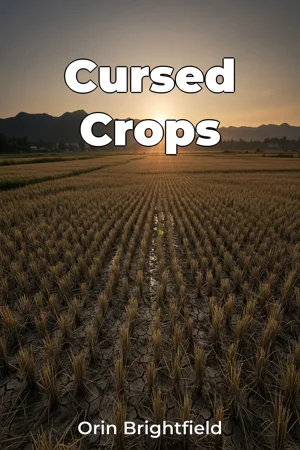
What if the very crops we depend on for survival turned against us? "Cursed Crops" delves into the calamitous history of agriculture, revealing how famines, plagues, and natural disasters have repeatedly reshaped global food systems and redefined the course of human civilization. Understanding these historical catastrophes is crucial, as they offer insights into the vulnerabilities of our modern agricultural practices and highlight the ever-present threat of future crises. This book explores the complex interplay between agriculture, biology, and history, focusing on three central themes: the biological vulnerabilities inherent in crop monoculture, the devastating consequences of plant diseases, and the impact of large-scale environmental changes on agricultural productivity. These themes are vital because they expose the precariousness of our food supply, a system often taken for granted in modern society. We examine how seemingly minor biological disruptions can trigger widespread famine and social upheaval. We begin by establishing the historical context, outlining the development of agriculture from its earliest origins to the present day. Crucial to this context is the understanding that our reliance on a limited number of staple crops makes us particularly vulnerable to unforeseen challenges. This idea forms the central argument of "Cursed Crops": that the pursuit of agricultural efficiency and productivity has often come at the expense of resilience and sustainability, creating a system perpetually at risk of catastrophic failure. The book is structured around several key sections. First, we introduce the concept of genetic vulnerability in crops and its historical precedents, using examples such as the Irish Potato Famine and its single potato variety, and the Bengal Famine of 1943, exacerbated by rice diseases. Then, we detail the biology of plant diseases, explaining how pathogens evolve and spread, often with devastating speed and impact. This section moves beyond the scientific, examining the social and economic impacts of these plagues, illustrating how they exacerbate existing inequalities and trigger sociopolitical instability. Finally, we address the role of climate change and other environmental factors, such as soil degradation and water scarcity, in exacerbating agricultural crises. The evidence presented in "Cursed Crops" draws from a wide range of sources, including historical records, scientific studies, and epidemiological data. We analyze primary source materials such as farmers’ accounts, government reports, and scientific publications, combined with modern genomic analyses of plant pathogens and climate models. This interdisciplinary approach allows us to paint a comprehensive picture of the complex interactions between biology, history, and the environment. "Cursed Crops" connects to various fields, including ecology, economics, and political science. For example, ecological principles help us understand the spread of plant diseases, economic theories illuminate the impact of famines on global markets, and political science sheds light on the role of government policies in mitigating or exacerbating agricultural crises. A unique aspect of this book is its focus on the interconnectedness of these factors. Rather than treating famines, plagues, and disasters as isolated events, we analyze them as symptoms of a larger systemic problem: the vulnerability of our global agricultural system. Written in a fact-based and accessible style, "Cursed Crops" is aimed at anyone interested in the history of food, the science of agriculture, and the future of our planet. This book is valuable to students, policymakers, and general readers seeking a deeper understanding of the challenges facing our food supply. The scope of "Cursed Crops" is global, encompassing examples from various regions and time periods. This broad scope allows us to identify common patterns and underlying causes. However, the book is not intended to be an exhaustive history of every agricultural disaster but instead offers a focused analysis of the most significant events and their long-term implications. The information presented in this book has real-world applications for policymakers, farmers, and consumers. By understanding the vulnerabilities of our agricultural system, we can develop more sustainable and resilient practices. "Cursed Crops" also addresses ongoing debates about the role of technology in agriculture, particularly the use of genetically modified crops. We explore both the potential benefits and the potential risks of these technologies, acknowledging that there are no easy solutions to the challenges facing our food supply. It is imperative to learn from the past to cultivate a more secure and sustainable future.
What if the very crops we depend on for survival turned against us? "Cursed Crops" delves into the calamitous history of agriculture, revealing how famines, plagues, and natural disasters have repeatedly reshaped global food systems and redefined the course of human civilization. Understanding these historical catastrophes is crucial, as they offer insights into the vulnerabilities of our modern agricultural practices and highlight the ever-present threat of future crises. This book explores the complex interplay between agriculture, biology, and history, focusing on three central themes: the biological vulnerabilities inherent in crop monoculture, the devastating consequences of plant diseases, and the impact of large-scale environmental changes on agricultural productivity. These themes are vital because they expose the precariousness of our food supply, a system often taken for granted in modern society. We examine how seemingly minor biological disruptions can trigger widespread famine and social upheaval. We begin by establishing the historical context, outlining the development of agriculture from its earliest origins to the present day. Crucial to this context is the understanding that our reliance on a limited number of staple crops makes us particularly vulnerable to unforeseen challenges. This idea forms the central argument of "Cursed Crops": that the pursuit of agricultural efficiency and productivity has often come at the expense of resilience and sustainability, creating a system perpetually at risk of catastrophic failure. The book is structured around several key sections. First, we introduce the concept of genetic vulnerability in crops and its historical precedents, using examples such as the Irish Potato Famine and its single potato variety, and the Bengal Famine of 1943, exacerbated by rice diseases. Then, we detail the biology of plant diseases, explaining how pathogens evolve and spread, often with devastating speed and impact. This section moves beyond the scientific, examining the social and economic impacts of these plagues, illustrating how they exacerbate existing inequalities and trigger sociopolitical instability. Finally, we address the role of climate change and other environmental factors, such as soil degradation and water scarcity, in exacerbating agricultural crises. The evidence presented in "Cursed Crops" draws from a wide range of sources, including historical records, scientific studies, and epidemiological data. We analyze primary source materials such as farmers’ accounts, government reports, and scientific publications, combined with modern genomic analyses of plant pathogens and climate models. This interdisciplinary approach allows us to paint a comprehensive picture of the complex interactions between biology, history, and the environment. "Cursed Crops" connects to various fields, including ecology, economics, and political science. For example, ecological principles help us understand the spread of plant diseases, economic theories illuminate the impact of famines on global markets, and political science sheds light on the role of government policies in mitigating or exacerbating agricultural crises. A unique aspect of this book is its focus on the interconnectedness of these factors. Rather than treating famines, plagues, and disasters as isolated events, we analyze them as symptoms of a larger systemic problem: the vulnerability of our global agricultural system. Written in a fact-based and accessible style, "Cursed Crops" is aimed at anyone interested in the history of food, the science of agriculture, and the future of our planet. This book is valuable to students, policymakers, and general readers seeking a deeper understanding of the challenges facing our food supply. The scope of "Cursed Crops" is global, encompassing examples from various regions and time periods. This broad scope allows us to identify common patterns and underlying causes. However, the book is not intended to be an exhaustive history of every agricultural disaster but instead offers a focused analysis of the most significant events and their long-term implications. The information presented in this book has real-world applications for policymakers, farmers, and consumers. By understanding the vulnerabilities of our agricultural system, we can develop more sustainable and resilient practices. "Cursed Crops" also addresses ongoing debates about the role of technology in agriculture, particularly the use of genetically modified crops. We explore both the potential benefits and the potential risks of these technologies, acknowledging that there are no easy solutions to the challenges facing our food supply. It is imperative to learn from the past to cultivate a more secure and sustainable future.
"Cursed Crops" explores the history of agriculture through the lens of historical catastrophes, revealing how famines, plagues, and natural disasters have shaped global food systems. The book highlights the vulnerabilities inherent in our reliance on a few staple crops, demonstrating how this genetic uniformity can lead to widespread crises. For example, the Irish Potato Famine, caused by a single potato variety's susceptibility to disease, illustrates this precariousness. The book examines the biology of plant diseases, explaining how pathogens evolve and spread, often with devastating consequences for food supply and sustainability. It also addresses the role of climate change and other environmental factors in exacerbating agricultural crises. "Cursed Crops" uses an interdisciplinary approach, drawing from historical records, scientific studies, and epidemiological data. The book progresses by first establishing the historical context of agriculture, then detailing the genetic vulnerabilities of crops and the biology of plant diseases. It concludes by addressing the role of climate change and other environmental factors. This approach provides a comprehensive understanding of the complex factors that threaten our food systems and underscores the need for more sustainable and resilient agricultural practices.
Book Details
ISBN
9788235244307
Publisher
Publifye AS
Your Licenses
You don't own any licenses for this book
Purchase a license below to unlock this book and download the EPUB.
Purchase License
Select a tier to unlock this book
Need bulk licensing?
Contact us for enterprise agreements.