
About This Book
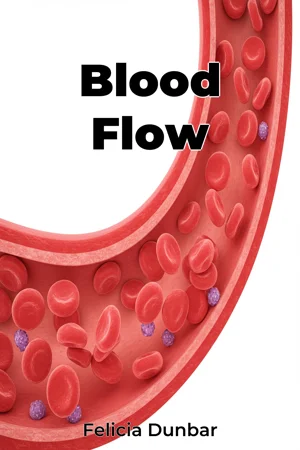
Are you aware that the very flow of your blood, the river of life within you, changes as you age, significantly impacting your risk of heart disease? *Blood Flow* unveils the intricate relationship between aging, circulation, and cardiovascular health, offering insights and actionable strategies to safeguard and promote optimal blood flow throughout life. This book addresses two primary areas: understanding the aging process's effects on the circulatory system and exploring evidence-based methods to support cardiovascular well-being and improved blood flow. These topics are critical because, as populations worldwide age, the incidence of age-related cardiovascular diseases continues to rise, posing significant challenges to public health and individual well-being. We begin by establishing a fundamental understanding of the circulatory system, its components, and its functions, considering the historical context of cardiovascular research and the evolving understanding of aging as a biological process. The book then delves into the central argument. It posits that proactive, informed management of circulatory health is essential for mitigating the risks associated with age-related cardiovascular decline. This argument is crucial because it shifts the focus from reactive treatment of heart disease to preventative strategies that can be adopted early in life. The book is structured into three core sections. First, it introduces the physiology of blood flow, explaining how blood vessels function, along with the various factors that influence circulation, such as blood pressure, viscosity, and vessel elasticity. Second, we examine how the aging process affects each of these factors, leading to conditions like atherosclerosis, hypertension, and venous insufficiency. This section will explore the underlying mechanisms, including oxidative stress, inflammation, and endothelial dysfunction. Third, the book provides a comprehensive overview of evidence-based interventions to support cardiovascular health and optimal blood flow. This includes lifestyle modifications such as diet and exercise, as well as an objective review of pharmaceutical and alternative therapies. The evidence presented in *Blood Flow* is drawn from a wide range of sources, including clinical trials, epidemiological studies, and meta-analyses. We will analyze data from large-scale population studies to identify key risk factors for cardiovascular disease and evaluate the effectiveness of various interventions. The book takes an interdisciplinary approach, drawing connections between cardiology, gerontology, nutrition, and exercise physiology. For instance, we explore how dietary interventions recommended by nutritionists can impact cardiovascular risk factors identified by cardiologists. It also considers the link between exercise regimes studied in exercise physiology and their effect on blood vessel function in the elderly, a key focus of gerontology. *Blood Flow* distinguishes itself by taking a proactive approach to cardiovascular health, emphasizing preventative strategies and lifestyle modifications rather than solely focusing on treating established disease. The tone of the book is informative and authoritative, grounded in scientific evidence and presented in an accessible manner for a broad audience. The book is targeted towards individuals interested in understanding and managing their cardiovascular health, including adults of all ages, healthcare professionals, and students in related fields. It will be particularly valuable for those seeking to proactively address age-related cardiovascular decline and optimize their overall well-being. As a book within the Health & Fitness and Medical General genres, it meets the expectations of providing accurate, up-to-date information, practical advice, and a balanced perspective on various treatment options. The scope of *Blood Flow* is intentionally focused on the relationship between aging, circulation, and cardiovascular health. While it touches upon various aspects of cardiovascular disease, it does not delve into the specifics of complex surgical interventions or rare genetic conditions. Instead, it prioritizes providing a comprehensive understanding of the fundamental processes that influence blood flow and practical strategies for promoting cardiovascular well-being. The principles and advice in *Blood Flow* can be readily applied in daily life. Readers will learn how to optimize their diet, incorporate appropriate exercise routines, and manage stress levels to support healthy circulation and reduce their risk of cardiovascular disease. While there is a general consensus on the benefits of a healthy lifestyle for cardiovascular health, some debates exist regarding the optimal intensity and duration of exercise, as well as the specific role of certain dietary supplements. *Blood Flow* addresses these controversies by presenting a balanced review of the available evidence and offering practical guidance based on the latest scientific findings.
Are you aware that the very flow of your blood, the river of life within you, changes as you age, significantly impacting your risk of heart disease? *Blood Flow* unveils the intricate relationship between aging, circulation, and cardiovascular health, offering insights and actionable strategies to safeguard and promote optimal blood flow throughout life. This book addresses two primary areas: understanding the aging process's effects on the circulatory system and exploring evidence-based methods to support cardiovascular well-being and improved blood flow. These topics are critical because, as populations worldwide age, the incidence of age-related cardiovascular diseases continues to rise, posing significant challenges to public health and individual well-being. We begin by establishing a fundamental understanding of the circulatory system, its components, and its functions, considering the historical context of cardiovascular research and the evolving understanding of aging as a biological process. The book then delves into the central argument. It posits that proactive, informed management of circulatory health is essential for mitigating the risks associated with age-related cardiovascular decline. This argument is crucial because it shifts the focus from reactive treatment of heart disease to preventative strategies that can be adopted early in life. The book is structured into three core sections. First, it introduces the physiology of blood flow, explaining how blood vessels function, along with the various factors that influence circulation, such as blood pressure, viscosity, and vessel elasticity. Second, we examine how the aging process affects each of these factors, leading to conditions like atherosclerosis, hypertension, and venous insufficiency. This section will explore the underlying mechanisms, including oxidative stress, inflammation, and endothelial dysfunction. Third, the book provides a comprehensive overview of evidence-based interventions to support cardiovascular health and optimal blood flow. This includes lifestyle modifications such as diet and exercise, as well as an objective review of pharmaceutical and alternative therapies. The evidence presented in *Blood Flow* is drawn from a wide range of sources, including clinical trials, epidemiological studies, and meta-analyses. We will analyze data from large-scale population studies to identify key risk factors for cardiovascular disease and evaluate the effectiveness of various interventions. The book takes an interdisciplinary approach, drawing connections between cardiology, gerontology, nutrition, and exercise physiology. For instance, we explore how dietary interventions recommended by nutritionists can impact cardiovascular risk factors identified by cardiologists. It also considers the link between exercise regimes studied in exercise physiology and their effect on blood vessel function in the elderly, a key focus of gerontology. *Blood Flow* distinguishes itself by taking a proactive approach to cardiovascular health, emphasizing preventative strategies and lifestyle modifications rather than solely focusing on treating established disease. The tone of the book is informative and authoritative, grounded in scientific evidence and presented in an accessible manner for a broad audience. The book is targeted towards individuals interested in understanding and managing their cardiovascular health, including adults of all ages, healthcare professionals, and students in related fields. It will be particularly valuable for those seeking to proactively address age-related cardiovascular decline and optimize their overall well-being. As a book within the Health & Fitness and Medical General genres, it meets the expectations of providing accurate, up-to-date information, practical advice, and a balanced perspective on various treatment options. The scope of *Blood Flow* is intentionally focused on the relationship between aging, circulation, and cardiovascular health. While it touches upon various aspects of cardiovascular disease, it does not delve into the specifics of complex surgical interventions or rare genetic conditions. Instead, it prioritizes providing a comprehensive understanding of the fundamental processes that influence blood flow and practical strategies for promoting cardiovascular well-being. The principles and advice in *Blood Flow* can be readily applied in daily life. Readers will learn how to optimize their diet, incorporate appropriate exercise routines, and manage stress levels to support healthy circulation and reduce their risk of cardiovascular disease. While there is a general consensus on the benefits of a healthy lifestyle for cardiovascular health, some debates exist regarding the optimal intensity and duration of exercise, as well as the specific role of certain dietary supplements. *Blood Flow* addresses these controversies by presenting a balanced review of the available evidence and offering practical guidance based on the latest scientific findings.
"Blood Flow" explores the vital connection between aging, blood circulation, and overall cardiovascular health, presenting actionable strategies for maintaining optimal blood flow throughout life. The book emphasizes that as we age, changes in our circulatory system can significantly impact our risk of heart disease, highlighting the importance of proactive management and prevention. Did you know that factors like blood pressure and vessel elasticity directly influence circulation, and these factors are affected by aging? Or that proactive lifestyle modifications can mitigate age-related cardiovascular decline? This book uniquely emphasizes preventative strategies, focusing on lifestyle modifications such as diet and exercise to combat cardiovascular decline. It progresses by first establishing the fundamentals of the circulatory system, then examining the effects of aging on blood flow. Finally, it provides an overview of evidence-based interventions to support cardiovascular well-being. The book draws from clinical trials and epidemiological studies, taking an interdisciplinary approach by connecting cardiology, nutrition, and exercise physiology. This approach allows readers to understand how dietary choices and exercise regimes can impact cardiovascular risk factors. By understanding these connections, individuals can take control of their cardiovascular health and well-being.
Book Details
ISBN
9788235244253
Publisher
Publifye AS
Your Licenses
You don't own any licenses for this book
Purchase a license below to unlock this book and download the EPUB.
Purchase License
Select a tier to unlock this book
Need bulk licensing?
Contact us for enterprise agreements.