
About This Book
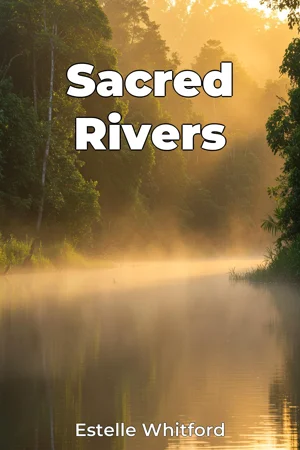
Why do rivers hold such a prominent place in human spirituality? "Sacred Rivers" explores the profound religious significance of rivers across diverse cultures and historical periods. This book examines how rivers have not only sustained life physically but have also served as potent symbols of spiritual cleansing, renewal, and divine power. It delves into the intricate relationships between humanity and these vital waterways, revealing how rivers have shaped religious practices, beliefs, and identities worldwide. The book’s primary focus is threefold: first, to investigate the role of rivers in foundational religious narratives and cosmologies; second, to analyze the ritualistic uses of rivers for purification and blessings; and third, to understand the environmental ethics that arise from a reverence for rivers. These topics are essential because they shed light on the deep-seated human connection to the natural world and offer insights into the enduring power of religious beliefs to influence human behavior. Throughout history, rivers have been central to the development of civilizations and religious thought. From the Nile's role in ancient Egyptian beliefs to the Ganges' prominence in Hinduism, rivers have provided not only sustenance but also a connection to the divine. "Sacred Rivers" builds upon existing scholarship in religious studies, history, and environmental studies to present a comprehensive analysis of this multifaceted relationship. The central argument of "Sacred Rivers" is that the sacred status of rivers reflects a profound recognition of their life-giving properties and that this recognition has fostered unique spiritual practices and ethical responsibilities. Understanding this connection is crucial for contemporary discussions about environmental conservation and interfaith dialogue, as it highlights the shared values that different cultures place on the natural world. "Sacred Rivers" is structured to provide a clear and coherent exploration of its central argument. It begins by introducing the concept of sacred space and the role of rivers in various religious traditions. The subsequent sections delve into specific case studies, examining the religious significance of rivers such as the Ganges in Hinduism, the Jordan in Christianity, and the Nile in ancient Egyptian religion. These chapters analyze the mythological, ritualistic, and ethical dimensions of each river’s sacred status. The book culminates with a discussion of the contemporary challenges facing sacred rivers, including pollution, climate change, and development, and explores how religious traditions can contribute to their preservation. The book draws upon a variety of sources, including religious texts, archaeological findings, anthropological studies, and environmental reports. It also incorporates firsthand accounts and ethnographic data to provide a rich and nuanced understanding of the lived experiences of people who live alongside and interact with sacred rivers. "Sacred Rivers" connects to several other fields of study, including environmental ethics, religious studies, anthropology, and history. By examining the intersection of religion and the environment, the book offers valuable insights into the complex relationships between human culture and the natural world. Furthermore, the book's exploration of diverse religious traditions promotes interfaith understanding and dialogue. This book offers a unique perspective by integrating religious studies with environmental ethics, providing a multidisciplinary approach to understanding the significance of rivers. It moves beyond a purely historical or anthropological analysis to explore the ethical implications of viewing rivers as sacred entities. The writing style of "Sacred Rivers" is scholarly yet accessible, aiming to engage both academic readers and a general audience interested in religion, history, and the environment. The book avoids jargon and technical language, making it easy for readers from diverse backgrounds to understand and appreciate the complexities of the subject matter. The target audience for "Sacred Rivers" includes students and scholars of religion, history, and environmental studies, as well as general readers interested in learning more about the spiritual dimensions of the natural world. The book would be valuable to anyone seeking a deeper understanding of the relationship between religion, culture, and the environment. As a work of non-fiction, "Sacred Rivers" adheres to the genre's conventions of accuracy, objectivity, and evidence-based argumentation. The book is thoroughly researched and meticulously documented, providing readers with a reliable and authoritative account of the subject matter. The scope of "Sacred Rivers" is global, encompassing a wide range of religious traditions and geographical regions. However, the book focuses primarily on rivers that have played a significant role in shaping religious beliefs and practices, and it acknowledges that there are many other sacred rivers that could not be included due to space limitations. The information in "Sacred Rivers" can be applied practically by readers in several ways. It can inform discussions about environmental conservation, promote interfaith understanding, and inspire a greater appreciation for the natural world. By understanding the sacred significance of rivers, readers can develop a deeper sense of responsibility for their preservation and stewardship. The book addresses ongoing debates about the role of religion in environmental conservation, acknowledging that there are diverse perspectives on the relationship between faith and environmental action. It seeks to bridge these divides by highlighting the shared values that different religious traditions place on the natural world.
Why do rivers hold such a prominent place in human spirituality? "Sacred Rivers" explores the profound religious significance of rivers across diverse cultures and historical periods. This book examines how rivers have not only sustained life physically but have also served as potent symbols of spiritual cleansing, renewal, and divine power. It delves into the intricate relationships between humanity and these vital waterways, revealing how rivers have shaped religious practices, beliefs, and identities worldwide. The book’s primary focus is threefold: first, to investigate the role of rivers in foundational religious narratives and cosmologies; second, to analyze the ritualistic uses of rivers for purification and blessings; and third, to understand the environmental ethics that arise from a reverence for rivers. These topics are essential because they shed light on the deep-seated human connection to the natural world and offer insights into the enduring power of religious beliefs to influence human behavior. Throughout history, rivers have been central to the development of civilizations and religious thought. From the Nile's role in ancient Egyptian beliefs to the Ganges' prominence in Hinduism, rivers have provided not only sustenance but also a connection to the divine. "Sacred Rivers" builds upon existing scholarship in religious studies, history, and environmental studies to present a comprehensive analysis of this multifaceted relationship. The central argument of "Sacred Rivers" is that the sacred status of rivers reflects a profound recognition of their life-giving properties and that this recognition has fostered unique spiritual practices and ethical responsibilities. Understanding this connection is crucial for contemporary discussions about environmental conservation and interfaith dialogue, as it highlights the shared values that different cultures place on the natural world. "Sacred Rivers" is structured to provide a clear and coherent exploration of its central argument. It begins by introducing the concept of sacred space and the role of rivers in various religious traditions. The subsequent sections delve into specific case studies, examining the religious significance of rivers such as the Ganges in Hinduism, the Jordan in Christianity, and the Nile in ancient Egyptian religion. These chapters analyze the mythological, ritualistic, and ethical dimensions of each river’s sacred status. The book culminates with a discussion of the contemporary challenges facing sacred rivers, including pollution, climate change, and development, and explores how religious traditions can contribute to their preservation. The book draws upon a variety of sources, including religious texts, archaeological findings, anthropological studies, and environmental reports. It also incorporates firsthand accounts and ethnographic data to provide a rich and nuanced understanding of the lived experiences of people who live alongside and interact with sacred rivers. "Sacred Rivers" connects to several other fields of study, including environmental ethics, religious studies, anthropology, and history. By examining the intersection of religion and the environment, the book offers valuable insights into the complex relationships between human culture and the natural world. Furthermore, the book's exploration of diverse religious traditions promotes interfaith understanding and dialogue. This book offers a unique perspective by integrating religious studies with environmental ethics, providing a multidisciplinary approach to understanding the significance of rivers. It moves beyond a purely historical or anthropological analysis to explore the ethical implications of viewing rivers as sacred entities. The writing style of "Sacred Rivers" is scholarly yet accessible, aiming to engage both academic readers and a general audience interested in religion, history, and the environment. The book avoids jargon and technical language, making it easy for readers from diverse backgrounds to understand and appreciate the complexities of the subject matter. The target audience for "Sacred Rivers" includes students and scholars of religion, history, and environmental studies, as well as general readers interested in learning more about the spiritual dimensions of the natural world. The book would be valuable to anyone seeking a deeper understanding of the relationship between religion, culture, and the environment. As a work of non-fiction, "Sacred Rivers" adheres to the genre's conventions of accuracy, objectivity, and evidence-based argumentation. The book is thoroughly researched and meticulously documented, providing readers with a reliable and authoritative account of the subject matter. The scope of "Sacred Rivers" is global, encompassing a wide range of religious traditions and geographical regions. However, the book focuses primarily on rivers that have played a significant role in shaping religious beliefs and practices, and it acknowledges that there are many other sacred rivers that could not be included due to space limitations. The information in "Sacred Rivers" can be applied practically by readers in several ways. It can inform discussions about environmental conservation, promote interfaith understanding, and inspire a greater appreciation for the natural world. By understanding the sacred significance of rivers, readers can develop a deeper sense of responsibility for their preservation and stewardship. The book addresses ongoing debates about the role of religion in environmental conservation, acknowledging that there are diverse perspectives on the relationship between faith and environmental action. It seeks to bridge these divides by highlighting the shared values that different religious traditions place on the natural world.
Rivers hold a revered place across cultures, serving as more than just water sources. "Sacred Rivers" explores the religious significance of these waterways throughout history, revealing their roles in spiritual cleansing, renewal, and as symbols of divine power. The book investigates how rivers have shaped religious practices and beliefs worldwide. For example, the Ganges in Hinduism is not merely a river but a goddess, and its waters are believed to purify sins. The book progresses by first introducing the concept of sacred spaces and the role of rivers in various religious traditions. It then delves into specific case studies such as the Ganges, the Jordan River in Christianity, and the Nile in ancient Egyptian religion, analyzing their mythological, ritualistic, and ethical dimensions. These rivers are central to foundational religious narratives. Approaching the topic with a multidisciplinary lens, "Sacred Rivers" integrates religious studies with environmental ethics, highlighting the need for environmental conservation. The book concludes by examining contemporary challenges facing sacred rivers, such as pollution and climate change, and how religious traditions can contribute to their preservation.
Book Details
ISBN
9788235244208
Publisher
Publifye AS
Your Licenses
You don't own any licenses for this book
Purchase a license below to unlock this book and download the EPUB.
Purchase License
Select a tier to unlock this book
Need bulk licensing?
Contact us for enterprise agreements.