
About This Book
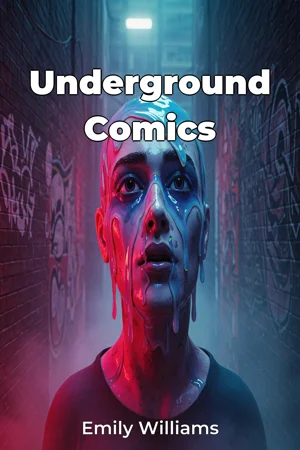
What happens when art ignores polite society and dives headfirst into the raw, unfiltered realities of life? "Underground Comics" explores this very question, delving into the history and cultural impact of a groundbreaking art movement that fearlessly confronted societal norms and taboos. This book examines how independent comics became a powerful vehicle for artistic expression and social commentary, pushing the boundaries of free speech and reshaping the landscape of visual storytelling. This book focuses on three key areas: the historical context of the underground comics movement, the artistic and narrative techniques employed by its creators, and the lasting influence of these comics on subsequent generations of artists and cultural commentators. The importance of these areas lies in understanding how a marginalized art form can challenge established power structures and reflect the anxieties and aspirations of a particular era. The rise of underground comics in the mid-20th century was intrinsically linked to broader social and political upheavals. The counterculture movement, the sexual revolution, and anti-war protests created a fertile ground for alternative voices and perspectives. Readers need to understand this tumultuous period to fully appreciate the radical nature of the comics that emerged. "Underground Comics" argues that these comics represent an important chapter in the history of free expression and artistic innovation. They demonstrated the potential of the comics medium to tackle complex and controversial subjects, paving the way for greater diversity and experimentation in mainstream comics and beyond. By looking into the core of the underground comics, we can learn valuable lessons about the power of art to challenge authority, provoke dialogue, and reflect the human condition. The book’s structure begins with an introduction to the key figures and publications that defined the underground comics movement. It will then explore the recurring themes and motifs found in these comics, such as sex, drugs, politics, and religion. The book then analyzes the unique artistic styles and narrative techniques that characterized the genre, including its embrace of graphic imagery, satirical humor, and experimental storytelling. The concluding chapters assess the lasting impact of underground comics on mainstream comics, independent art, and popular culture. The book will draw on a variety of sources, including original comics, interviews with creators, critical essays, and historical documents. It provides an in-depth analysis of the artistic and cultural significance of underground comics. "Underground Comics" connects to several other fields of study, including art history, sociology, and cultural studies. By examining these comics through multiple lenses, the book offers a comprehensive and nuanced understanding of their place in history. The connections to art history provide context for the artistic value. Connections to sociology and cultural studies help illuminate the social impact. This book distinguishes itself through its comprehensive scope and its focus on the artistic and narrative innovations of underground comics. While previous studies have often focused on the social and political aspects of the movement, this book emphasizes the unique aesthetic qualities that made these comics so groundbreaking. The material is presented in an accessible and engaging style, making it suitable for both academic and general audiences. The writing style will be informative and analytical, avoiding jargon where possible and providing clear explanations of key concepts. The target audience includes students of art history, comics studies, and cultural studies, as well as anyone interested in the history of free expression and the counterculture movement. This book is valuable to those seeking a deeper understanding of the cultural and artistic forces that shaped the late 20th century. As a work of non-fiction, "Underground Comics" adheres to the conventions of academic scholarship, including thorough research, accurate citations, and balanced analysis. However, it also strives to be engaging and accessible, avoiding overly technical language and jargon. The book's scope is limited to the underground comics movement that emerged in the United States during the late 1960s and early 1970s. While it acknowledges the existence of similar movements in other countries, its primary focus is on the American context. The insights offered in this book can be applied to a variety of real-world contexts, including the study of censorship, the analysis of visual communication, and the exploration of alternative forms of artistic expression. The legacy of underground comics remains a subject of debate, with some critics arguing that they were simply juvenile and exploitative, while others celebrate them as important works of social commentary. This book engages with these debates, offering a balanced and nuanced assessment of the movement's strengths and weaknesses.
What happens when art ignores polite society and dives headfirst into the raw, unfiltered realities of life? "Underground Comics" explores this very question, delving into the history and cultural impact of a groundbreaking art movement that fearlessly confronted societal norms and taboos. This book examines how independent comics became a powerful vehicle for artistic expression and social commentary, pushing the boundaries of free speech and reshaping the landscape of visual storytelling. This book focuses on three key areas: the historical context of the underground comics movement, the artistic and narrative techniques employed by its creators, and the lasting influence of these comics on subsequent generations of artists and cultural commentators. The importance of these areas lies in understanding how a marginalized art form can challenge established power structures and reflect the anxieties and aspirations of a particular era. The rise of underground comics in the mid-20th century was intrinsically linked to broader social and political upheavals. The counterculture movement, the sexual revolution, and anti-war protests created a fertile ground for alternative voices and perspectives. Readers need to understand this tumultuous period to fully appreciate the radical nature of the comics that emerged. "Underground Comics" argues that these comics represent an important chapter in the history of free expression and artistic innovation. They demonstrated the potential of the comics medium to tackle complex and controversial subjects, paving the way for greater diversity and experimentation in mainstream comics and beyond. By looking into the core of the underground comics, we can learn valuable lessons about the power of art to challenge authority, provoke dialogue, and reflect the human condition. The book’s structure begins with an introduction to the key figures and publications that defined the underground comics movement. It will then explore the recurring themes and motifs found in these comics, such as sex, drugs, politics, and religion. The book then analyzes the unique artistic styles and narrative techniques that characterized the genre, including its embrace of graphic imagery, satirical humor, and experimental storytelling. The concluding chapters assess the lasting impact of underground comics on mainstream comics, independent art, and popular culture. The book will draw on a variety of sources, including original comics, interviews with creators, critical essays, and historical documents. It provides an in-depth analysis of the artistic and cultural significance of underground comics. "Underground Comics" connects to several other fields of study, including art history, sociology, and cultural studies. By examining these comics through multiple lenses, the book offers a comprehensive and nuanced understanding of their place in history. The connections to art history provide context for the artistic value. Connections to sociology and cultural studies help illuminate the social impact. This book distinguishes itself through its comprehensive scope and its focus on the artistic and narrative innovations of underground comics. While previous studies have often focused on the social and political aspects of the movement, this book emphasizes the unique aesthetic qualities that made these comics so groundbreaking. The material is presented in an accessible and engaging style, making it suitable for both academic and general audiences. The writing style will be informative and analytical, avoiding jargon where possible and providing clear explanations of key concepts. The target audience includes students of art history, comics studies, and cultural studies, as well as anyone interested in the history of free expression and the counterculture movement. This book is valuable to those seeking a deeper understanding of the cultural and artistic forces that shaped the late 20th century. As a work of non-fiction, "Underground Comics" adheres to the conventions of academic scholarship, including thorough research, accurate citations, and balanced analysis. However, it also strives to be engaging and accessible, avoiding overly technical language and jargon. The book's scope is limited to the underground comics movement that emerged in the United States during the late 1960s and early 1970s. While it acknowledges the existence of similar movements in other countries, its primary focus is on the American context. The insights offered in this book can be applied to a variety of real-world contexts, including the study of censorship, the analysis of visual communication, and the exploration of alternative forms of artistic expression. The legacy of underground comics remains a subject of debate, with some critics arguing that they were simply juvenile and exploitative, while others celebrate them as important works of social commentary. This book engages with these debates, offering a balanced and nuanced assessment of the movement's strengths and weaknesses.
"Underground Comics" delves into the history of a bold art movement that challenged societal norms through independent comics. Emerging from the counterculture of the mid-20th century, these comics became a potent form of social commentary and free expression. They tackled controversial subjects like sex, drugs, and politics, pushing the boundaries of visual storytelling and artistic innovation. One intriguing aspect is how these comics reflected the anxieties and aspirations of an era marked by significant social and political upheaval. Another is their role in paving the way for greater diversity and experimentation in mainstream comics. The book uniquely emphasizes the artistic and narrative innovations of underground comics, distinguishing itself from studies that primarily focus on the movement's social and political aspects. It begins by introducing key figures and publications, then explores recurring themes and unique artistic styles. By analyzing the graphic imagery, satirical humor, and experimental storytelling, "Underground Comics" assesses the lasting impact of this movement on mainstream and independent art, as well as popular culture. The book draws on original comics, interviews, and critical essays to provide an in-depth analysis.
Book Details
ISBN
9788235244147
Publisher
Publifye AS
Your Licenses
You don't own any licenses for this book
Purchase a license below to unlock this book and download the EPUB.
Purchase License
Select a tier to unlock this book
Need bulk licensing?
Contact us for enterprise agreements.