
About This Book
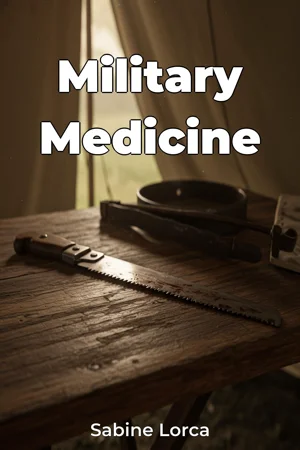
How has the treatment of battlefield injuries shaped not only military outcomes but also civilian medical practices? "Military Medicine" explores the evolution of medical care in armed conflicts, revealing its considerable influence on modern medical science and survival rates. This book delves into the historical progression, from ancient battlefield remedies to the advanced trauma systems of today, and its enduring impact on how we understand and treat injuries in both military and civilian settings. The book addresses several key topics. First, it examines the historical trajectory of battlefield medicine, tracing the progression of techniques and technologies from ancient civilizations to contemporary warfare. Second, it analyzes the impact of specific conflicts on medical innovation, demonstrating how the exigencies of war have fueled advancements in areas like surgical procedures, blood transfusions, and prosthetics. Third, it discusses the ethical considerations surrounding medical care in warfare, including triage decisions, the treatment of prisoners of war, and the long-term psychological impact on medical personnel. These topics are crucial because they expose a deeply symbiotic relationship: military necessity drives medical innovation, which then often translates into improvements for civilian healthcare. Readers should have a basic understanding of military history and foundational medical concepts (e.g., anatomy, physiology) to fully appreciate the book’s content. However, technical medical terminology will be explained clearly. "Military Medicine" argues that innovations in battlefield medicine have consistently reshaped the landscape of civilian healthcare, leading to significant improvements in trauma care, surgical techniques, and rehabilitation methods. This argument is important because it highlights the often-overlooked contributions of military medicine to the broader medical field and underscores the societal benefits derived from military research and development. The book is structured to provide a comprehensive overview of the subject, beginning with an introduction to the rudimentary medical practices of ancient armies. It then moves into three major sections: (1) explores the significant medical breakthroughs spurred by major conflicts. (2) delves into the evolution of specific medical technologies and techniques, such as anesthesia, antiseptic surgery, and blood transfusion, demonstrating their origins and refinement on the battlefield. (3) examines the ethical and logistical challenges of providing medical care in war zones. It culminates with a discussion of the future of military medicine, considering the impact of emerging technologies like artificial intelligence, robotics, and telemedicine on battlefield care. The book draws upon a wide array of evidence, including primary source accounts from military physicians and surgeons, historical medical texts, statistical data on casualty rates and medical outcomes, and case studies of specific medical innovations. Unique data sources, such as previously unpublished military medical records and oral histories from veterans and medical personnel, will offer fresh perspectives on the subject. "Military Medicine" connects to several other fields of study, including military history, medical ethics, and public health. By examining the interplay between military strategy, medical technology, and ethical considerations, the book offers a holistic understanding of the subject. The book offers a unique perspective by emphasizing the reciprocal relationship between military and civilian medicine. It challenges the conventional view of military medicine as solely a product of war, highlighting its profound and lasting contributions to civilian healthcare. The book adopts a fact-based, analytical approach, presenting information in a clear and accessible manner. While the tone is primarily academic, it incorporates narrative elements to engage the reader and bring the historical events to life. The intended audience includes military history enthusiasts, healthcare professionals, medical students, and anyone interested in the intersection of medicine and warfare. The book would be valuable to them because it provides a comprehensive and insightful account of the evolution of military medicine and its impact on society. As a work of military and medical history, "Military Medicine" adheres to the conventions of scholarly research, including rigorous sourcing, balanced analysis, and clear presentation of evidence. The book’s scope is broad, covering the entire history of military medicine from ancient times to the present day. However, it focuses primarily on Western military traditions, with limited coverage of non-Western approaches. The information presented in the book can be applied practically by healthcare professionals seeking to understand the historical roots of modern medical practices, policymakers grappling with ethical dilemmas in military healthcare, and military personnel interested in the evolution of battlefield care. The book addresses ongoing debates in the field, such as the ethics of military medical research and the allocation of resources for veterans' healthcare. By presenting different perspectives on these issues, the book encourages critical thinking and informed discussion.
How has the treatment of battlefield injuries shaped not only military outcomes but also civilian medical practices? "Military Medicine" explores the evolution of medical care in armed conflicts, revealing its considerable influence on modern medical science and survival rates. This book delves into the historical progression, from ancient battlefield remedies to the advanced trauma systems of today, and its enduring impact on how we understand and treat injuries in both military and civilian settings. The book addresses several key topics. First, it examines the historical trajectory of battlefield medicine, tracing the progression of techniques and technologies from ancient civilizations to contemporary warfare. Second, it analyzes the impact of specific conflicts on medical innovation, demonstrating how the exigencies of war have fueled advancements in areas like surgical procedures, blood transfusions, and prosthetics. Third, it discusses the ethical considerations surrounding medical care in warfare, including triage decisions, the treatment of prisoners of war, and the long-term psychological impact on medical personnel. These topics are crucial because they expose a deeply symbiotic relationship: military necessity drives medical innovation, which then often translates into improvements for civilian healthcare. Readers should have a basic understanding of military history and foundational medical concepts (e.g., anatomy, physiology) to fully appreciate the book’s content. However, technical medical terminology will be explained clearly. "Military Medicine" argues that innovations in battlefield medicine have consistently reshaped the landscape of civilian healthcare, leading to significant improvements in trauma care, surgical techniques, and rehabilitation methods. This argument is important because it highlights the often-overlooked contributions of military medicine to the broader medical field and underscores the societal benefits derived from military research and development. The book is structured to provide a comprehensive overview of the subject, beginning with an introduction to the rudimentary medical practices of ancient armies. It then moves into three major sections: (1) explores the significant medical breakthroughs spurred by major conflicts. (2) delves into the evolution of specific medical technologies and techniques, such as anesthesia, antiseptic surgery, and blood transfusion, demonstrating their origins and refinement on the battlefield. (3) examines the ethical and logistical challenges of providing medical care in war zones. It culminates with a discussion of the future of military medicine, considering the impact of emerging technologies like artificial intelligence, robotics, and telemedicine on battlefield care. The book draws upon a wide array of evidence, including primary source accounts from military physicians and surgeons, historical medical texts, statistical data on casualty rates and medical outcomes, and case studies of specific medical innovations. Unique data sources, such as previously unpublished military medical records and oral histories from veterans and medical personnel, will offer fresh perspectives on the subject. "Military Medicine" connects to several other fields of study, including military history, medical ethics, and public health. By examining the interplay between military strategy, medical technology, and ethical considerations, the book offers a holistic understanding of the subject. The book offers a unique perspective by emphasizing the reciprocal relationship between military and civilian medicine. It challenges the conventional view of military medicine as solely a product of war, highlighting its profound and lasting contributions to civilian healthcare. The book adopts a fact-based, analytical approach, presenting information in a clear and accessible manner. While the tone is primarily academic, it incorporates narrative elements to engage the reader and bring the historical events to life. The intended audience includes military history enthusiasts, healthcare professionals, medical students, and anyone interested in the intersection of medicine and warfare. The book would be valuable to them because it provides a comprehensive and insightful account of the evolution of military medicine and its impact on society. As a work of military and medical history, "Military Medicine" adheres to the conventions of scholarly research, including rigorous sourcing, balanced analysis, and clear presentation of evidence. The book’s scope is broad, covering the entire history of military medicine from ancient times to the present day. However, it focuses primarily on Western military traditions, with limited coverage of non-Western approaches. The information presented in the book can be applied practically by healthcare professionals seeking to understand the historical roots of modern medical practices, policymakers grappling with ethical dilemmas in military healthcare, and military personnel interested in the evolution of battlefield care. The book addresses ongoing debates in the field, such as the ethics of military medical research and the allocation of resources for veterans' healthcare. By presenting different perspectives on these issues, the book encourages critical thinking and informed discussion.
"Military Medicine" explores how treating battlefield injuries has profoundly shaped both military outcomes and civilian medical practices. From ancient remedies to advanced trauma systems, the book traces the evolution of medical care in armed conflicts and its lasting impact on modern medicine. Discover how innovations like blood transfusions and surgical techniques, often born out of wartime necessity, have revolutionized civilian healthcare. The book progresses chronologically, starting with rudimentary ancient practices and moving through major conflicts that spurred medical breakthroughs. It delves into the development of specific technologies like anesthesia and antiseptic surgery and examines the ethical challenges of providing care in war zones. Highlighting the reciprocal relationship between military and civilian medicine, it reveals how battlefield innovations have consistently reshaped trauma care and rehabilitation methods. This study offers a unique perspective by emphasizing the often-overlooked contributions of military medical research to the broader medical field and society. Using historical texts, medical data, and accounts from military physicians, "Military Medicine" adopts a fact-based approach to connect military history, medical ethics, and public health, making it valuable for anyone interested in the intersection of medicine and warfare.
Book Details
ISBN
9788235244116
Publisher
Publifye AS
Your Licenses
You don't own any licenses for this book
Purchase a license below to unlock this book and download the EPUB.
Purchase License
Select a tier to unlock this book
Need bulk licensing?
Contact us for enterprise agreements.