
About This Book
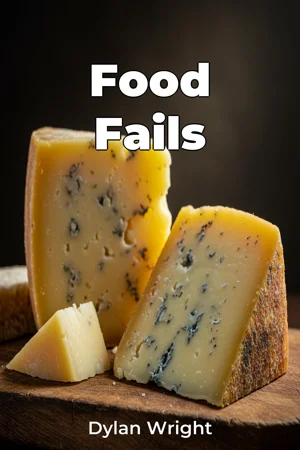
Ever wondered how some of the most iconic foods came to be, not through meticulous planning, but through sheer, unadulterated accident? "Food Fails" delves into the surprisingly rich history of culinary mishaps, exploring how blunders in the kitchen have shaped our diets and food culture in ways we never imagined. This isn't just a collection of funny stories but a serious look at the significant impact of error on culinary innovation. This book examines three key themes: the accidental nature of food discovery, the role of human ingenuity in salvaging mistakes, and the lasting impact of these "fails" on food history. Why are these important? Because they reveal the often-overlooked truth that progress, even in the culinary world, rarely follows a straight line. Understanding the stories behind food innovations encourages a more experimental and less rigid approach to cooking and food culture. We begin by setting the stage with a brief history of food production and preparation, highlighting key moments of intentional innovation which serve as a counterpoint to the accidental discoveries we will then explore. No prior knowledge is required, just an appetite for entertaining stories and a curiosity about the origins of familiar foods. The central argument of "Food Fails" is that many iconic foods and cooking techniques were born not from deliberate design but from chance occurrences and the resourceful responses of cooks and food producers. This challenges the conventional narrative of culinary progress as a linear, intentional process, emphasizing the vital role of serendipity and adaptation. The book is structured in three parts. The first section introduces the concept of the accidental food discovery, with chapters dedicated to specific categories of failures, such as unexpected reactions (think exploding sodas or curdled sauces), misinterpretations of recipes (like the origins of certain spice blends), and storage errors (the discovery of aged cheeses, for example). The second part focuses on the ingenuity required to turn these mistakes into successes, examining the scientific and social processes that led to the acceptance and commercialization of these initially flawed creations. This section highlights the people behind the mistakes and how they turned a problem into profit. The final section details the lasting impact of these "Food Fails," showing how they have influenced cooking techniques, food production methods, and even cultural norms surrounding food consumption. The book concludes with a discussion of how understanding these historical accidents can inspire future culinary innovations. This historical account relies on various sources, from historical cookbooks and culinary journals to scientific studies of food chemistry and interviews with food historians and chefs. It also incorporates analysis of advertisements and marketing materials to understand how these accidental discoveries were presented to the public. "Food Fails" draws connections between cooking, history, and science. It explores the chemistry of food transformations, the historical context of food production, and the sociological factors that influence food preferences and consumption patterns. The book's unique approach lies in its reframing of culinary history through the lens of failure. By focusing on mistakes rather than intentional inventions, it offers a fresh perspective on how our food culture has evolved. The tone of the book will be informative and engaging, balancing historical rigor with a light-hearted and accessible writing style. "Food Fails" is aimed at food enthusiasts, home cooks, history buffs, and anyone curious about the stories behind the foods they eat. It provides valuable insights into the creative process, the importance of experimentation, and the surprising ways that mistakes can lead to innovation. While this book covers a wide range of food-related accidents, it focuses primarily on Western culinary traditions and commercially viable accidents. It does not delve deeply into the science behind every food reaction, prioritizing historical context and anecdotal evidence. The book is intended to be a celebration of culinary creativity and resilience, demonstrating that even the biggest kitchen disasters can sometimes lead to the most delicious discoveries. Finally, understanding the history of food fails equips readers with a more forgiving and experimental approach to their own cooking, encouraging them to embrace mistakes as opportunities for learning and innovation. It also offers insights into the food industry and the processes by which new products are developed and marketed.
Ever wondered how some of the most iconic foods came to be, not through meticulous planning, but through sheer, unadulterated accident? "Food Fails" delves into the surprisingly rich history of culinary mishaps, exploring how blunders in the kitchen have shaped our diets and food culture in ways we never imagined. This isn't just a collection of funny stories but a serious look at the significant impact of error on culinary innovation. This book examines three key themes: the accidental nature of food discovery, the role of human ingenuity in salvaging mistakes, and the lasting impact of these "fails" on food history. Why are these important? Because they reveal the often-overlooked truth that progress, even in the culinary world, rarely follows a straight line. Understanding the stories behind food innovations encourages a more experimental and less rigid approach to cooking and food culture. We begin by setting the stage with a brief history of food production and preparation, highlighting key moments of intentional innovation which serve as a counterpoint to the accidental discoveries we will then explore. No prior knowledge is required, just an appetite for entertaining stories and a curiosity about the origins of familiar foods. The central argument of "Food Fails" is that many iconic foods and cooking techniques were born not from deliberate design but from chance occurrences and the resourceful responses of cooks and food producers. This challenges the conventional narrative of culinary progress as a linear, intentional process, emphasizing the vital role of serendipity and adaptation. The book is structured in three parts. The first section introduces the concept of the accidental food discovery, with chapters dedicated to specific categories of failures, such as unexpected reactions (think exploding sodas or curdled sauces), misinterpretations of recipes (like the origins of certain spice blends), and storage errors (the discovery of aged cheeses, for example). The second part focuses on the ingenuity required to turn these mistakes into successes, examining the scientific and social processes that led to the acceptance and commercialization of these initially flawed creations. This section highlights the people behind the mistakes and how they turned a problem into profit. The final section details the lasting impact of these "Food Fails," showing how they have influenced cooking techniques, food production methods, and even cultural norms surrounding food consumption. The book concludes with a discussion of how understanding these historical accidents can inspire future culinary innovations. This historical account relies on various sources, from historical cookbooks and culinary journals to scientific studies of food chemistry and interviews with food historians and chefs. It also incorporates analysis of advertisements and marketing materials to understand how these accidental discoveries were presented to the public. "Food Fails" draws connections between cooking, history, and science. It explores the chemistry of food transformations, the historical context of food production, and the sociological factors that influence food preferences and consumption patterns. The book's unique approach lies in its reframing of culinary history through the lens of failure. By focusing on mistakes rather than intentional inventions, it offers a fresh perspective on how our food culture has evolved. The tone of the book will be informative and engaging, balancing historical rigor with a light-hearted and accessible writing style. "Food Fails" is aimed at food enthusiasts, home cooks, history buffs, and anyone curious about the stories behind the foods they eat. It provides valuable insights into the creative process, the importance of experimentation, and the surprising ways that mistakes can lead to innovation. While this book covers a wide range of food-related accidents, it focuses primarily on Western culinary traditions and commercially viable accidents. It does not delve deeply into the science behind every food reaction, prioritizing historical context and anecdotal evidence. The book is intended to be a celebration of culinary creativity and resilience, demonstrating that even the biggest kitchen disasters can sometimes lead to the most delicious discoveries. Finally, understanding the history of food fails equips readers with a more forgiving and experimental approach to their own cooking, encouraging them to embrace mistakes as opportunities for learning and innovation. It also offers insights into the food industry and the processes by which new products are developed and marketed.
"Food Fails" explores the fascinating history of how culinary mishaps have shaped our food culture. Surprisingly, many iconic foods and cooking techniques were born from accidents, not deliberate design. For instance, storage errors led to the discovery of aged cheeses, while exploding sodas and curdled sauces represent unexpected reactions that sparked new culinary paths. This book reveals that culinary progress isn't always linear, highlighting the role of serendipity and adaptation in food innovation. The book, structured in three parts, begins by examining the accidental nature of food discovery, dedicating chapters to specific categories of failures. It then focuses on the ingenuity required to transform these mistakes into successes, exploring the scientific and social processes behind their acceptance. Finally, it details the lasting impact of these food fails, demonstrating their influence on cooking techniques, food production, and cultural norms. By reframing culinary history through the lens of failure, "Food Fails" offers a unique perspective, encouraging readers to embrace experimentation and view mistakes as opportunities for culinary creativity.
Book Details
ISBN
9788235243935
Publisher
Publifye AS
Your Licenses
You don't own any licenses for this book
Purchase a license below to unlock this book and download the EPUB.
Purchase License
Select a tier to unlock this book
Need bulk licensing?
Contact us for enterprise agreements.