
About This Book
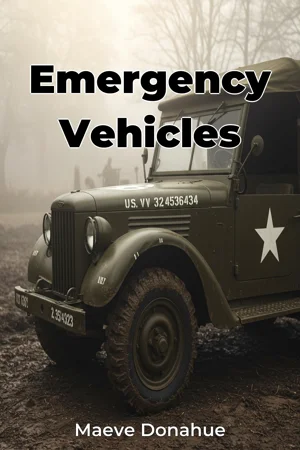
Have you ever considered the complex interplay of engineering, medical science, and strategic deployment that underpins the seemingly instantaneous arrival of emergency services? This book, "Emergency Vehicles," delves into the multifaceted world of ambulances, police cars, and rescue helicopters, examining their historical evolution, technological advancements, and critical role in modern society. We will explore not only the machines themselves but also the intricate systems and dedicated individuals that make them lifelines in moments of crisis. "Emergency Vehicles" focuses on three principal areas: the historical development of emergency response vehicles, the technological innovations that have shaped their capabilities, and their strategic deployment in diverse environments, including both military and civilian contexts. The importance of these areas lies in understanding how emergency services have evolved to meet increasingly complex challenges, how technology continues to revolutionize their effectiveness, and how strategic planning ensures the right resources are available when and where they are needed most. The book begins by tracing the origins of emergency vehicles, from horse-drawn ambulances on Civil War battlefields to the first motorized police cars. It examines the influence of major historical events, such as World War II and the Cold War, on the development of advanced emergency response systems, detailing how military needs often spurred innovation in civilian applications. No specific prior knowledge is strictly required, but a general interest in history, technology, or public service will enhance the reader's experience. The central argument of "Emergency Vehicles" is that the effectiveness of emergency services is not solely dependent on the vehicles themselves but on the synergistic integration of technology, strategic planning, and the skilled personnel who operate them. This argument is crucial for understanding the complex challenges involved in providing timely and effective emergency response in an increasingly complex world. The book is structured into three main sections. The first section provides a historical overview of emergency vehicles, tracing their evolution from rudimentary beginnings to the sophisticated machines of today. The second section examines the technological advancements that have transformed emergency vehicles, including advancements in communication systems, navigation technology, and medical equipment. The third section analyzes the strategic deployment of emergency vehicles in diverse environments, highlighting the challenges and best practices in both urban and rural settings, as well as in military operations. The final chapter explores future trends and emerging technologies that will shape the next generation of emergency vehicles. The evidence presented in this book draws from a variety of sources, including archival documents, technical manuals, case studies of emergency response operations, and interviews with emergency service personnel. Unique data sources include previously unreleased military reports on the use of helicopters in medical evacuations and detailed analyses of emergency response times in different urban environments. "Emergency Vehicles" connects to several other fields, including public health, military history, and engineering. The book explores the importance of emergency services in promoting public health outcomes, examines the role of emergency vehicles in military operations, and details the engineering innovations that have shaped their design and functionality. These connections enrich the book's argument by providing a broader perspective on the impact of emergency services. A unique aspect of this book is its focus on the integration of technology, strategic planning, and human factors in emergency response. It goes beyond simply describing the vehicles themselves to examine the complex systems and human element that are essential for their effective deployment. The tone of the book is informative and analytical, presenting factual information in a clear and accessible manner. While grounded in historical and technical detail, the writing style is designed to engage a broad audience. The target audience for "Emergency Vehicles" includes students of history, military enthusiasts, public health professionals, and anyone interested in the evolution and impact of emergency services. The book offers valuable insights into the complex challenges and critical importance of these vital services. As a work of history and military history, the book adheres to the conventions of scholarly research, providing detailed sources and a balanced perspective on the subject matter. As a work related to public health, the book emphasizes the importance of emergency services in promoting positive health outcomes and reducing mortality rates. The scope of "Emergency Vehicles" is limited to the history, technology, and strategic deployment of ambulances, police cars, and rescue helicopters. It does not delve into the broader aspects of emergency management, such as disaster preparedness or risk assessment. The information presented in this book can be applied practically by readers interested in improving emergency response operations in their own communities. It provides valuable insights into the best practices for deploying emergency vehicles and integrating technology to enhance their effectiveness. While the development and deployment of emergency vehicles are generally viewed positively, the book also addresses some controversies, such as the ethical implications of using advanced technology in emergency response and the challenges of ensuring equitable access to emergency services in underserved communities.
Have you ever considered the complex interplay of engineering, medical science, and strategic deployment that underpins the seemingly instantaneous arrival of emergency services? This book, "Emergency Vehicles," delves into the multifaceted world of ambulances, police cars, and rescue helicopters, examining their historical evolution, technological advancements, and critical role in modern society. We will explore not only the machines themselves but also the intricate systems and dedicated individuals that make them lifelines in moments of crisis. "Emergency Vehicles" focuses on three principal areas: the historical development of emergency response vehicles, the technological innovations that have shaped their capabilities, and their strategic deployment in diverse environments, including both military and civilian contexts. The importance of these areas lies in understanding how emergency services have evolved to meet increasingly complex challenges, how technology continues to revolutionize their effectiveness, and how strategic planning ensures the right resources are available when and where they are needed most. The book begins by tracing the origins of emergency vehicles, from horse-drawn ambulances on Civil War battlefields to the first motorized police cars. It examines the influence of major historical events, such as World War II and the Cold War, on the development of advanced emergency response systems, detailing how military needs often spurred innovation in civilian applications. No specific prior knowledge is strictly required, but a general interest in history, technology, or public service will enhance the reader's experience. The central argument of "Emergency Vehicles" is that the effectiveness of emergency services is not solely dependent on the vehicles themselves but on the synergistic integration of technology, strategic planning, and the skilled personnel who operate them. This argument is crucial for understanding the complex challenges involved in providing timely and effective emergency response in an increasingly complex world. The book is structured into three main sections. The first section provides a historical overview of emergency vehicles, tracing their evolution from rudimentary beginnings to the sophisticated machines of today. The second section examines the technological advancements that have transformed emergency vehicles, including advancements in communication systems, navigation technology, and medical equipment. The third section analyzes the strategic deployment of emergency vehicles in diverse environments, highlighting the challenges and best practices in both urban and rural settings, as well as in military operations. The final chapter explores future trends and emerging technologies that will shape the next generation of emergency vehicles. The evidence presented in this book draws from a variety of sources, including archival documents, technical manuals, case studies of emergency response operations, and interviews with emergency service personnel. Unique data sources include previously unreleased military reports on the use of helicopters in medical evacuations and detailed analyses of emergency response times in different urban environments. "Emergency Vehicles" connects to several other fields, including public health, military history, and engineering. The book explores the importance of emergency services in promoting public health outcomes, examines the role of emergency vehicles in military operations, and details the engineering innovations that have shaped their design and functionality. These connections enrich the book's argument by providing a broader perspective on the impact of emergency services. A unique aspect of this book is its focus on the integration of technology, strategic planning, and human factors in emergency response. It goes beyond simply describing the vehicles themselves to examine the complex systems and human element that are essential for their effective deployment. The tone of the book is informative and analytical, presenting factual information in a clear and accessible manner. While grounded in historical and technical detail, the writing style is designed to engage a broad audience. The target audience for "Emergency Vehicles" includes students of history, military enthusiasts, public health professionals, and anyone interested in the evolution and impact of emergency services. The book offers valuable insights into the complex challenges and critical importance of these vital services. As a work of history and military history, the book adheres to the conventions of scholarly research, providing detailed sources and a balanced perspective on the subject matter. As a work related to public health, the book emphasizes the importance of emergency services in promoting positive health outcomes and reducing mortality rates. The scope of "Emergency Vehicles" is limited to the history, technology, and strategic deployment of ambulances, police cars, and rescue helicopters. It does not delve into the broader aspects of emergency management, such as disaster preparedness or risk assessment. The information presented in this book can be applied practically by readers interested in improving emergency response operations in their own communities. It provides valuable insights into the best practices for deploying emergency vehicles and integrating technology to enhance their effectiveness. While the development and deployment of emergency vehicles are generally viewed positively, the book also addresses some controversies, such as the ethical implications of using advanced technology in emergency response and the challenges of ensuring equitable access to emergency services in underserved communities.
"Emergency Vehicles" explores the evolution, technology, and strategic deployment of ambulances, police cars, and rescue helicopters. It highlights how these emergency response systems have transformed from rudimentary beginnings, like horse-drawn ambulances in the Civil War, to the sophisticated networks we rely on today. A key focus is on how military needs, such as medical evacuation during World War II, have often spurred innovation in civilian emergency services. The book examines how technological advancements, including communication systems and navigation technology, have revolutionized emergency vehicles. It also emphasizes that the effectiveness of emergency services isn't just about the vehicles themselves, but the integration of technology, strategic planning, and skilled personnel. "Emergency Vehicles" progresses by first tracing the historical development, then delving into technological innovations, and finally analyzing strategic deployment in various environments.
Book Details
ISBN
9788235243850
Publisher
Publifye AS
Your Licenses
You don't own any licenses for this book
Purchase a license below to unlock this book and download the EPUB.
Purchase License
Select a tier to unlock this book
Need bulk licensing?
Contact us for enterprise agreements.