
About This Book
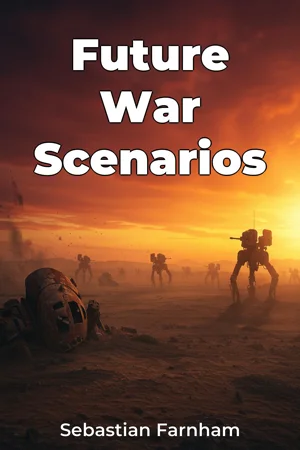
Are we prepared for the battlefields of tomorrow? "Future War Scenarios" delves into the complex interplay of artificial intelligence, robotics, and climate change in shaping future global conflicts. These forces, individually potent, are poised to converge and redefine the very nature of warfare, demanding a new understanding of national security in the 21st century. This book addresses three crucial, interconnected themes. First, it explores the integration of artificial intelligence into military strategy and hardware, examining how AI-driven systems might automate decision-making, enhance weapons capabilities, and potentially lead to unforeseen escalations. Second, it assesses the increasing role of robotics in combat, analyzing the advantages and risks of deploying autonomous vehicles, drones, and other robotic platforms on the battlefield. Finally, and perhaps most critically, it investigates the impact of climate change on global security, focusing on how resource scarcity, mass migrations, and natural disasters could exacerbate existing tensions and trigger new conflicts. These topics are vital because they represent the leading edge of change in both military technology and global geopolitics, demanding we rethink traditional assumptions about war and peace. Setting the stage for these discussions, "Future War Scenarios" provides necessary background on the historical evolution of military technology, the current state of AI and robotics development, and the projected consequences of climate change. It assumes a basic understanding of international relations and military strategy, building upon this foundation to explore more speculative, yet plausible, future scenarios. The central argument of this book is that the convergence of AI, robotics, and climate change will fundamentally transform the landscape of global conflict, creating new vulnerabilities, challenging existing norms, and demanding innovative approaches to defense and diplomacy. Understanding this transformation is critical for policymakers, military strategists, and concerned citizens alike, as the decisions made today will shape the security environment of tomorrow. The book begins by introducing the core concepts of AI, robotics, and climate change, outlining their potential applications and implications for military affairs. It then develops these ideas through three major sections. The first examines specific AI-driven weapons systems and their potential impact on strategic stability. The second explores the use of robotics in various combat roles, considering the ethical and practical challenges of autonomous warfare. The third analyzes the ways in which climate change is likely to fuel resource conflicts, population displacement, and political instability in vulnerable regions. The book culminates with a discussion of the policy implications of these trends, offering recommendations for adapting military strategy, strengthening international cooperation, and mitigating the risks of future conflict. Evidence and research are drawn from a variety of sources, including government reports, academic studies, military simulations, and expert interviews. The book utilizes case studies of past conflicts and emerging technologies to illustrate key concepts and support its arguments. "Future War Scenarios" connects to fields such as political science, environmental studies, and technology ethics. These connections enhance the book's argument by providing a more holistic understanding of the challenges and opportunities presented by the changing security landscape. A unique aspect of this book is its focus on the synergistic effects of AI, robotics, and climate change. Rather than treating these forces in isolation, it explores how their combined impact could create novel and potentially destabilizing scenarios. The writing style is factual and analytical, intended to inform and engage a broad audience while maintaining scholarly rigor. The intended readership includes military professionals, policymakers, academics, and anyone interested in the future of warfare and global security. The book offers valuable insights for those seeking to understand the complex challenges facing the world in the 21st century. As a work of military history and current events analysis, "Future War Scenarios" relies on documented events, established technological trends, and considered geopolitical projections to build convincing arguments. It acknowledges the limitations of forecasting future events, focusing instead on identifying key drivers of change and exploring plausible scenarios. The information presented in this book can be applied practically by military strategists, policymakers, and technology developers seeking to anticipate and mitigate the risks of future conflict. It also provides valuable context for citizens seeking to understand the complex security challenges facing the world today. The book addresses ongoing debates about the ethics of autonomous weapons, the potential for AI-driven escalation, and the role of military forces in addressing climate change. By presenting a balanced and nuanced perspective on these issues, "Future War Scenarios" aims to contribute to a more informed and constructive dialogue about the future of war.
Are we prepared for the battlefields of tomorrow? "Future War Scenarios" delves into the complex interplay of artificial intelligence, robotics, and climate change in shaping future global conflicts. These forces, individually potent, are poised to converge and redefine the very nature of warfare, demanding a new understanding of national security in the 21st century. This book addresses three crucial, interconnected themes. First, it explores the integration of artificial intelligence into military strategy and hardware, examining how AI-driven systems might automate decision-making, enhance weapons capabilities, and potentially lead to unforeseen escalations. Second, it assesses the increasing role of robotics in combat, analyzing the advantages and risks of deploying autonomous vehicles, drones, and other robotic platforms on the battlefield. Finally, and perhaps most critically, it investigates the impact of climate change on global security, focusing on how resource scarcity, mass migrations, and natural disasters could exacerbate existing tensions and trigger new conflicts. These topics are vital because they represent the leading edge of change in both military technology and global geopolitics, demanding we rethink traditional assumptions about war and peace. Setting the stage for these discussions, "Future War Scenarios" provides necessary background on the historical evolution of military technology, the current state of AI and robotics development, and the projected consequences of climate change. It assumes a basic understanding of international relations and military strategy, building upon this foundation to explore more speculative, yet plausible, future scenarios. The central argument of this book is that the convergence of AI, robotics, and climate change will fundamentally transform the landscape of global conflict, creating new vulnerabilities, challenging existing norms, and demanding innovative approaches to defense and diplomacy. Understanding this transformation is critical for policymakers, military strategists, and concerned citizens alike, as the decisions made today will shape the security environment of tomorrow. The book begins by introducing the core concepts of AI, robotics, and climate change, outlining their potential applications and implications for military affairs. It then develops these ideas through three major sections. The first examines specific AI-driven weapons systems and their potential impact on strategic stability. The second explores the use of robotics in various combat roles, considering the ethical and practical challenges of autonomous warfare. The third analyzes the ways in which climate change is likely to fuel resource conflicts, population displacement, and political instability in vulnerable regions. The book culminates with a discussion of the policy implications of these trends, offering recommendations for adapting military strategy, strengthening international cooperation, and mitigating the risks of future conflict. Evidence and research are drawn from a variety of sources, including government reports, academic studies, military simulations, and expert interviews. The book utilizes case studies of past conflicts and emerging technologies to illustrate key concepts and support its arguments. "Future War Scenarios" connects to fields such as political science, environmental studies, and technology ethics. These connections enhance the book's argument by providing a more holistic understanding of the challenges and opportunities presented by the changing security landscape. A unique aspect of this book is its focus on the synergistic effects of AI, robotics, and climate change. Rather than treating these forces in isolation, it explores how their combined impact could create novel and potentially destabilizing scenarios. The writing style is factual and analytical, intended to inform and engage a broad audience while maintaining scholarly rigor. The intended readership includes military professionals, policymakers, academics, and anyone interested in the future of warfare and global security. The book offers valuable insights for those seeking to understand the complex challenges facing the world in the 21st century. As a work of military history and current events analysis, "Future War Scenarios" relies on documented events, established technological trends, and considered geopolitical projections to build convincing arguments. It acknowledges the limitations of forecasting future events, focusing instead on identifying key drivers of change and exploring plausible scenarios. The information presented in this book can be applied practically by military strategists, policymakers, and technology developers seeking to anticipate and mitigate the risks of future conflict. It also provides valuable context for citizens seeking to understand the complex security challenges facing the world today. The book addresses ongoing debates about the ethics of autonomous weapons, the potential for AI-driven escalation, and the role of military forces in addressing climate change. By presenting a balanced and nuanced perspective on these issues, "Future War Scenarios" aims to contribute to a more informed and constructive dialogue about the future of war.
"Future War Scenarios" explores how artificial intelligence, robotics, and climate change are converging to reshape future conflicts. It dives into how AI systems might automate military decisions and enhance weaponry, potentially leading to unforeseen escalations. The book highlights that climate change could exacerbate global tensions through resource scarcity and mass migrations, sparking new conflicts. The book uniquely examines the synergistic effects of AI, robotics, and climate change, rather than treating them separately. It begins by introducing these core concepts, then progresses through sections analyzing AI-driven weapons, the use of robotics in combat, and climate change's impact on political stability. Using government reports, academic studies, and expert interviews, it builds convincing arguments about the future of war. This analysis is critical for policymakers, military strategists, and anyone interested in global security. The book argues that understanding this transformation is essential for adapting military strategy and strengthening international cooperation in the face of evolving threats.
Book Details
ISBN
9788235243812
Publisher
Publifye AS
Your Licenses
You don't own any licenses for this book
Purchase a license below to unlock this book and download the EPUB.
Purchase License
Select a tier to unlock this book
Need bulk licensing?
Contact us for enterprise agreements.