
About This Book
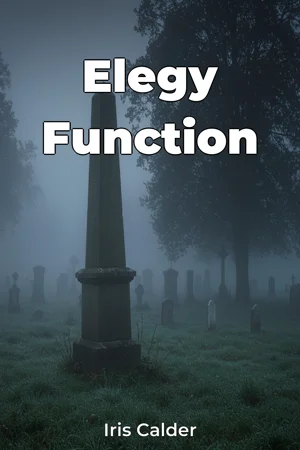
How have elegies, traditionally conceived as poems of mourning, functioned as vital instruments in shaping public memory and navigating collective grief? This book, "Elegy Function," delves into the multifaceted role of elegies beyond simple lament, examining their crucial function in both personal mourning and broader public remembrance. We will explore how elegies, through their structured expression of loss, serve as mechanisms for constructing narratives of identity, commemorating historical events, and negotiating cultural values. This study focuses on two principal themes: first, the evolution of elegies from private expressions of grief to formalized public rituals; and second, the ways in which elegies actively shape historical understanding and national identity. These themes are significant because they illuminate the complex interplay between individual emotions, artistic expression, and collective memory. Understanding these dynamics provides valuable insights into cultural responses to loss and the construction of shared histories. We will trace the development of the elegy from its classical origins to its contemporary manifestations, considering the changing social and political contexts that influence its form and function. No prior knowledge is explicitly required, but a general familiarity with literary history and cultural studies will be beneficial. The central argument of this book is that elegies are not merely passive reflections of grief but active agents in the construction of meaning and memory. This argument is important because it challenges conventional understandings of elegies as purely emotional outpourings, revealing their powerful role in cultural and political discourse. "Elegy Function" asserts that these literary works play a crucial role in shaping our understanding of the past and informing our present. The book begins by introducing the core concepts of elegy, mourning, and public remembrance. The first section develops the historical evolution of the elegy, tracing its origins in classical literature and its transformation through various historical periods. The second section analyzes specific case studies of elegies composed in response to significant public events, such as war, political assassination, and natural disasters. These analyses will reveal how elegies function to consolidate social cohesion, legitimize political narratives, and commemorate historical figures. The third section examines the interrelation of elegies with national identity, analyzing the ways in which these poems contribute to the construction of collective narratives and the reinforcement of cultural values. The conclusion consolidates the arguments presented throughout the book and considers the implications of this analysis for understanding contemporary mourning practices. The evidence presented in this book draws from a wide range of sources, including literary analyses of canonical and lesser-known elegies, historical documents pertaining to the social and political contexts in which these poems were composed, and theoretical frameworks from fields such as literary criticism, cultural studies, and memory studies. Unique data sources include archival collections of unpublished elegies and comparative analyses of elegies from different cultural traditions. This study connects to other fields, such as history, sociology, and political science. It also addresses the interdisciplinary areas of memory studies and rhetoric. These connections enhance the argument by providing a broader understanding of the social, political, and cultural forces that shape the production and reception of elegies. "Elegy Function" adopts a novel perspective by examining the elegy, often perceived as a purely literary form, as a dynamic force in shaping historical understanding and collective memory. We adopt an academic tone, though strive for clarity and accessibility. This book targets students and scholars of literature, history, cultural studies, and anyone interested in understanding how societies grapple with loss and construct shared memories. It offers valuable insights into the enduring power of language and the complex relationship between individual emotions and collective identity. As a work of literary criticism and historical analysis, this book adheres to the conventions of scholarly research, providing rigorous analyses of primary sources and engaging with relevant theoretical frameworks. The scope of this book is broad, encompassing a wide range of elegies from different historical periods and cultural traditions. Limitations include a focus on elegies written in English and a selection of case studies based on availability of resources. The information presented in this book has practical applications for understanding contemporary mourning practices, shaping public discourse, and promoting empathy and understanding across cultural divides. The book will address debates in the academic community, such as discussions about the potential for elegies to perpetuate dominant narratives and the ethical responsibilities of poets in representing collective trauma. The book examines the controversies surrounding elegies that glorify war or sanitize historical injustices.
How have elegies, traditionally conceived as poems of mourning, functioned as vital instruments in shaping public memory and navigating collective grief? This book, "Elegy Function," delves into the multifaceted role of elegies beyond simple lament, examining their crucial function in both personal mourning and broader public remembrance. We will explore how elegies, through their structured expression of loss, serve as mechanisms for constructing narratives of identity, commemorating historical events, and negotiating cultural values. This study focuses on two principal themes: first, the evolution of elegies from private expressions of grief to formalized public rituals; and second, the ways in which elegies actively shape historical understanding and national identity. These themes are significant because they illuminate the complex interplay between individual emotions, artistic expression, and collective memory. Understanding these dynamics provides valuable insights into cultural responses to loss and the construction of shared histories. We will trace the development of the elegy from its classical origins to its contemporary manifestations, considering the changing social and political contexts that influence its form and function. No prior knowledge is explicitly required, but a general familiarity with literary history and cultural studies will be beneficial. The central argument of this book is that elegies are not merely passive reflections of grief but active agents in the construction of meaning and memory. This argument is important because it challenges conventional understandings of elegies as purely emotional outpourings, revealing their powerful role in cultural and political discourse. "Elegy Function" asserts that these literary works play a crucial role in shaping our understanding of the past and informing our present. The book begins by introducing the core concepts of elegy, mourning, and public remembrance. The first section develops the historical evolution of the elegy, tracing its origins in classical literature and its transformation through various historical periods. The second section analyzes specific case studies of elegies composed in response to significant public events, such as war, political assassination, and natural disasters. These analyses will reveal how elegies function to consolidate social cohesion, legitimize political narratives, and commemorate historical figures. The third section examines the interrelation of elegies with national identity, analyzing the ways in which these poems contribute to the construction of collective narratives and the reinforcement of cultural values. The conclusion consolidates the arguments presented throughout the book and considers the implications of this analysis for understanding contemporary mourning practices. The evidence presented in this book draws from a wide range of sources, including literary analyses of canonical and lesser-known elegies, historical documents pertaining to the social and political contexts in which these poems were composed, and theoretical frameworks from fields such as literary criticism, cultural studies, and memory studies. Unique data sources include archival collections of unpublished elegies and comparative analyses of elegies from different cultural traditions. This study connects to other fields, such as history, sociology, and political science. It also addresses the interdisciplinary areas of memory studies and rhetoric. These connections enhance the argument by providing a broader understanding of the social, political, and cultural forces that shape the production and reception of elegies. "Elegy Function" adopts a novel perspective by examining the elegy, often perceived as a purely literary form, as a dynamic force in shaping historical understanding and collective memory. We adopt an academic tone, though strive for clarity and accessibility. This book targets students and scholars of literature, history, cultural studies, and anyone interested in understanding how societies grapple with loss and construct shared memories. It offers valuable insights into the enduring power of language and the complex relationship between individual emotions and collective identity. As a work of literary criticism and historical analysis, this book adheres to the conventions of scholarly research, providing rigorous analyses of primary sources and engaging with relevant theoretical frameworks. The scope of this book is broad, encompassing a wide range of elegies from different historical periods and cultural traditions. Limitations include a focus on elegies written in English and a selection of case studies based on availability of resources. The information presented in this book has practical applications for understanding contemporary mourning practices, shaping public discourse, and promoting empathy and understanding across cultural divides. The book will address debates in the academic community, such as discussions about the potential for elegies to perpetuate dominant narratives and the ethical responsibilities of poets in representing collective trauma. The book examines the controversies surrounding elegies that glorify war or sanitize historical injustices.
"Elegy Function" explores how elegies, traditionally viewed as expressions of mourning, actively shape public memory and collective grief. The book delves into the evolution of elegies, revealing how they've transformed from personal lamentations into formal public rituals. It argues that these poems are not passive reflections of sorrow but active agents in constructing meaning and memory. Elegies, for example, often help consolidate social cohesion after national tragedies. The book traces the historical development of the elegy, examining its classical origins and subsequent transformations in various social and political contexts. It analyzes specific case studies of elegies written in response to significant historical events, showcasing how they legitimize political narratives and commemorate historical figures. By exploring the interrelation of elegies with national identity, the book highlights their role in reinforcing cultural values. The study progresses across chapters, starting with core concepts and historical evolution, moving to case studies, and concluding with the implications for contemporary mourning practices.
Book Details
ISBN
9788235243775
Publisher
Publifye AS
Your Licenses
You don't own any licenses for this book
Purchase a license below to unlock this book and download the EPUB.
Purchase License
Select a tier to unlock this book
Need bulk licensing?
Contact us for enterprise agreements.