
About This Book
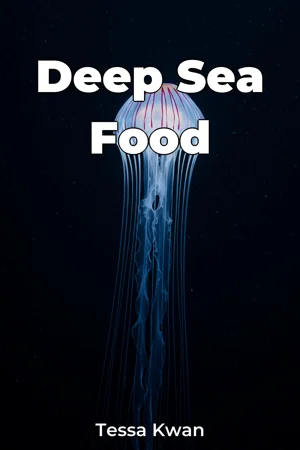
Have you ever considered how the crushing pressures and perpetual darkness of the deep ocean have not only shaped bizarre and fascinating creatures but also influenced culinary traditions across the globe? "Deep Sea Food" explores this intriguing intersection of marine biology, scientific exploration, and the culinary arts, revealing how the ocean's depths have inspired unique dishes, sustainable fishing practices, and innovative approaches to food science. This book delves into three core areas: the biology of deep-sea organisms harvested for food, the cultural significance of these organisms in various culinary traditions, and the sustainable practices necessary to ensure the long-term availability of these resources. Each is vital to understanding our relationship with the deep ocean. Firstly, a solid grasp of deep-sea biology is essential to understanding the nutritional value and potential risks associated with consuming these organisms. Secondly, exploring the cultural dimensions provides insight into how different societies have adapted to and valued these unique food sources. Finally, a focus on sustainability underscores the importance of responsible harvesting practices to protect vulnerable deep-sea ecosystems. Historically, deep-sea exploration was limited by technological constraints. However, advancements in submersible technology and deep-sea trawling have opened new frontiers for both scientific discovery and commercial fishing. This book will guide you through the history of deep-sea exploration and fishing, examining the societal forces that have motivated us to exploit these resources. Some prerequisite knowledge of basic biology and oceanography would enhance the reading experience, although the book is written to be accessible to a general audience. The central argument of "Deep Sea Food" is that a holistic understanding of deep-sea biology, cultural practices, and sustainable harvesting methods is crucial for ensuring both culinary innovation and the long-term health of our oceans. This argument is vital as overfishing and habitat destruction increasingly threaten marine ecosystems worldwide. The book begins with an introduction to the unique environment of the deep sea, highlighting the physiological adaptations of the creatures that thrive there. It proceeds to explore the biology of several key species that are harvested for food, such as deep-sea crabs, various species of Patagonian Toothfish, and certain types of squid. Next, the book examines the cultural significance of these ingredients in different regions, from Japan to Chile, focusing on traditional recipes and preparation methods. Finally, the book addresses the challenges of sustainable harvesting, discussing methods for minimizing bycatch and protecting vulnerable deep-sea habitats. The book culminates in a discussion of strategies for promoting responsible consumption and supporting sustainable fisheries. The evidence presented in this book draws from a variety of sources, including peer-reviewed scientific literature, government reports on fisheries management, and interviews with chefs and fishermen from around the world. Original data from recent scientific expeditions and fishing surveys will be incorporated wherever possible. "Deep Sea Food" connects to several other fields of study, including environmental science, anthropology, and economics. By examining the ecological impacts of deep-sea fishing, the book contributes to broader discussions about marine conservation. By exploring the cultural dimensions of food, it connects to anthropological studies of foodways and cultural adaptation. Additionally, by analyzing the economic forces that drive deep-sea fishing, it contributes to debates about resource management and sustainable development. An innovative aspect of this book is its integration of scientific data with culinary and cultural perspectives. It aims to bridge the gap between scientific research and public understanding, offering a fresh perspective on the complex relationship between humans and the marine environment. The book employs a conversational yet informative writing style, making complex scientific concepts accessible to a broad audience. While grounded in scientific rigor, the book avoids overly technical jargon and emphasizes storytelling to engage readers. The target audience includes food enthusiasts, marine biology students, environmental advocates, and anyone interested in the intersection of science and culture. The book would be valuable to those seeking a deeper understanding of the food they eat, the environmental impacts of their choices, and the cultural traditions that shape culinary practices worldwide. It aligns with the conventions of non-fiction science writing, providing accurate information in an engaging and accessible manner. The scope of the book is limited to the culinary uses of deep-sea organisms and the associated sustainability issues. It does not delve into other aspects of deep-sea biology, such as the search for novel pharmaceuticals or the exploration of hydrothermal vents, except where they directly relate to the topic of food. The information in this book can be applied practically by encouraging consumers to make informed choices about the seafood they eat, supporting sustainable fisheries, and advocating for responsible ocean management policies. Currently, there are ongoing debates about the sustainability of deep-sea fishing and the potential impacts on vulnerable ecosystems. "Deep Sea Food" aims to contribute to these debates by providing a balanced and informed perspective, highlighting both the opportunities and the challenges of utilizing deep-sea resources for food.
Have you ever considered how the crushing pressures and perpetual darkness of the deep ocean have not only shaped bizarre and fascinating creatures but also influenced culinary traditions across the globe? "Deep Sea Food" explores this intriguing intersection of marine biology, scientific exploration, and the culinary arts, revealing how the ocean's depths have inspired unique dishes, sustainable fishing practices, and innovative approaches to food science. This book delves into three core areas: the biology of deep-sea organisms harvested for food, the cultural significance of these organisms in various culinary traditions, and the sustainable practices necessary to ensure the long-term availability of these resources. Each is vital to understanding our relationship with the deep ocean. Firstly, a solid grasp of deep-sea biology is essential to understanding the nutritional value and potential risks associated with consuming these organisms. Secondly, exploring the cultural dimensions provides insight into how different societies have adapted to and valued these unique food sources. Finally, a focus on sustainability underscores the importance of responsible harvesting practices to protect vulnerable deep-sea ecosystems. Historically, deep-sea exploration was limited by technological constraints. However, advancements in submersible technology and deep-sea trawling have opened new frontiers for both scientific discovery and commercial fishing. This book will guide you through the history of deep-sea exploration and fishing, examining the societal forces that have motivated us to exploit these resources. Some prerequisite knowledge of basic biology and oceanography would enhance the reading experience, although the book is written to be accessible to a general audience. The central argument of "Deep Sea Food" is that a holistic understanding of deep-sea biology, cultural practices, and sustainable harvesting methods is crucial for ensuring both culinary innovation and the long-term health of our oceans. This argument is vital as overfishing and habitat destruction increasingly threaten marine ecosystems worldwide. The book begins with an introduction to the unique environment of the deep sea, highlighting the physiological adaptations of the creatures that thrive there. It proceeds to explore the biology of several key species that are harvested for food, such as deep-sea crabs, various species of Patagonian Toothfish, and certain types of squid. Next, the book examines the cultural significance of these ingredients in different regions, from Japan to Chile, focusing on traditional recipes and preparation methods. Finally, the book addresses the challenges of sustainable harvesting, discussing methods for minimizing bycatch and protecting vulnerable deep-sea habitats. The book culminates in a discussion of strategies for promoting responsible consumption and supporting sustainable fisheries. The evidence presented in this book draws from a variety of sources, including peer-reviewed scientific literature, government reports on fisheries management, and interviews with chefs and fishermen from around the world. Original data from recent scientific expeditions and fishing surveys will be incorporated wherever possible. "Deep Sea Food" connects to several other fields of study, including environmental science, anthropology, and economics. By examining the ecological impacts of deep-sea fishing, the book contributes to broader discussions about marine conservation. By exploring the cultural dimensions of food, it connects to anthropological studies of foodways and cultural adaptation. Additionally, by analyzing the economic forces that drive deep-sea fishing, it contributes to debates about resource management and sustainable development. An innovative aspect of this book is its integration of scientific data with culinary and cultural perspectives. It aims to bridge the gap between scientific research and public understanding, offering a fresh perspective on the complex relationship between humans and the marine environment. The book employs a conversational yet informative writing style, making complex scientific concepts accessible to a broad audience. While grounded in scientific rigor, the book avoids overly technical jargon and emphasizes storytelling to engage readers. The target audience includes food enthusiasts, marine biology students, environmental advocates, and anyone interested in the intersection of science and culture. The book would be valuable to those seeking a deeper understanding of the food they eat, the environmental impacts of their choices, and the cultural traditions that shape culinary practices worldwide. It aligns with the conventions of non-fiction science writing, providing accurate information in an engaging and accessible manner. The scope of the book is limited to the culinary uses of deep-sea organisms and the associated sustainability issues. It does not delve into other aspects of deep-sea biology, such as the search for novel pharmaceuticals or the exploration of hydrothermal vents, except where they directly relate to the topic of food. The information in this book can be applied practically by encouraging consumers to make informed choices about the seafood they eat, supporting sustainable fisheries, and advocating for responsible ocean management policies. Currently, there are ongoing debates about the sustainability of deep-sea fishing and the potential impacts on vulnerable ecosystems. "Deep Sea Food" aims to contribute to these debates by providing a balanced and informed perspective, highlighting both the opportunities and the challenges of utilizing deep-sea resources for food.
"Deep Sea Food" explores the fascinating world where marine biology, culinary traditions, and sustainable practices intersect in the deep ocean. It reveals how the crushing pressures and perpetual darkness have shaped unique creatures and influenced global cuisines. Discover how advancements in technology like submersibles have opened up new frontiers for both scientific discovery and commercial fishing, impacting deep-sea organisms like deep-sea crabs and various species of Patagonian Toothfish. The book delves into the biology of deep-sea organisms, their cultural significance in dishes from Japan to Chile, and the sustainable harvesting methods crucial for conservation. It highlights how understanding the nutritional value and potential risks of these organisms is vital. The book progresses from introducing the deep-sea environment and its inhabitants to examining the cultural roles of these ingredients and addressing sustainable harvesting challenges while promoting responsible consumption. This book uniquely combines scientific data with culinary and cultural perspectives, bridging the gap between research and public understanding. By examining foodways and cultural adaptation, readers gain a deeper understanding of our relationship with the marine environment and the importance of marine conservation in the face of overfishing and habitat destruction.
Book Details
ISBN
9788235243621
Publisher
Publifye AS
Your Licenses
You don't own any licenses for this book
Purchase a license below to unlock this book and download the EPUB.
Purchase License
Select a tier to unlock this book
Need bulk licensing?
Contact us for enterprise agreements.