
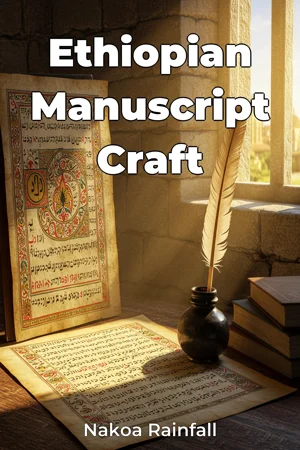
About This Book
How did a unique and enduring manuscript culture flourish for centuries in relative isolation, preserving invaluable religious and historical knowledge? "Ethiopian Manuscript Craft" unveils the meticulous world of Ethiopian scribes, exploring their development and preservation of religious and historical texts utilizing locally sourced materials and adhering to precise scribal disciplines. This book examines the rich history and artistry embedded within Ethiopian manuscripts and delves into the specific techniques and resources that sustained this tradition. The book centers on three key topics: the preparation and sourcing of manuscript materials, the scribal techniques employed in creating the texts, and the preservation methods used to protect these cultural artifacts. These topics are crucial for understanding the longevity and significance of Ethiopian manuscript culture. Recognizing the materials used provides insight into the region's resources and the scribes’ ingenuity. Appreciating the scribal techniques highlights the skill and dedication involved in producing these texts. Understanding preservation methods illuminates the ongoing effort to safeguard these historical records. To fully appreciate Ethiopian manuscript craft, a brief historical context is essential. From the introduction of Christianity in the 4th century to the Solomonic Dynasty, Ethiopia developed a unique religious and political landscape that heavily relied on written texts. The book assumes a general understanding of Ethiopian history, but provides specific details of the eras most relevant to manuscript production. The central argument of this book is that Ethiopian manuscript culture, characterized by its sustainable use of local resources and highly refined scribal practices, is a testament to the enduring power of knowledge preservation in the face of geographical and cultural isolation. Its importance lies in demonstrating how a society, with limited external resources, could create and maintain a sophisticated written tradition that served both religious and historical purposes. "Ethiopian Manuscript Craft" is structured to provide a comprehensive understanding of the subject. It begins with an introduction to the historical background of manuscript production in Ethiopia, outlining the main religious and political factors that contributed to its development. The first main section examines the physical aspects of manuscript production, detailing the sourcing and preparation of parchment from animal hides, the manufacture of inks from local plants and minerals, and the crafting of writing tools. This section highlights the resourcefulness of Ethiopian scribes in utilizing their environment. Secondly, it delves into the precise scribal techniques utilized, including calligraphy styles (Ge'ez script), illumination practices, and the layout and organization of text. The final section explores preservation methods, detailing the techniques used to protect manuscripts from environmental damage, insects, and other threats. The book culminates by discussing the implications of this unique manuscript culture for our understanding of Ethiopian history, art, and religious practices, as well as provides insight into current preservation strategies. The book draws upon a range of evidence, including close analysis of surviving manuscripts, historical accounts of scribal practices, and scientific analyses of manuscript materials. It incorporates data from museum collections, libraries, and fieldwork conducted at Ethiopian monasteries and religious institutions. Unique data sources may include chemical analysis of ink composition and microscopic examination of parchment preparation techniques. "Ethiopian Manuscript Craft" connects to several other fields of study. Its study of materials science relates to conservation efforts and preservation. The analysis of scribal techniques contributes to art history and paleography. The historical context links to religious studies and Ethiopian history. This book offers a unique perspective by focusing on the intersection of material culture, scribal practices, and historical context within Ethiopian manuscript production. It demonstrates how the physical and artistic aspects of manuscripts shaped and were shaped by the historical and religious landscape of Ethiopia. The writing style is academic yet accessible, aiming to convey complex information in a clear and engaging manner. It balances scholarly rigor with an appreciation for the artistry and cultural significance of Ethiopian manuscripts. The target audience includes scholars and students of Ethiopian history, art history, religious studies, and manuscript studies, as well as conservators, librarians, and anyone interested in the history of books and writing. It would also be valuable to those interested in cultural heritage and preservation practices. As a work of non-fiction history and art, this book adheres to the conventions of scholarly research, including detailed citations, a comprehensive bibliography, and a rigorous approach to evidence-based analysis. The scope of the book is limited to the material and technical aspects of Ethiopian manuscript production, primarily focusing on religious texts during the medieval and early modern periods. It does not delve deeply into the theological content of the manuscripts or provide a comprehensive history of Ethiopian literature. The information in this book can be applied practically by conservators and librarians involved in the preservation of Ethiopian manuscripts. It also provides valuable insights for scholars seeking to understand the historical context and cultural significance of these texts. While there aren't necessarily "controversies," the book addresses ongoing debates about the dating and provenance of certain manuscripts, as well as the challenges of preserving these fragile artifacts in the face of environmental degradation and looting.
How did a unique and enduring manuscript culture flourish for centuries in relative isolation, preserving invaluable religious and historical knowledge? "Ethiopian Manuscript Craft" unveils the meticulous world of Ethiopian scribes, exploring their development and preservation of religious and historical texts utilizing locally sourced materials and adhering to precise scribal disciplines. This book examines the rich history and artistry embedded within Ethiopian manuscripts and delves into the specific techniques and resources that sustained this tradition. The book centers on three key topics: the preparation and sourcing of manuscript materials, the scribal techniques employed in creating the texts, and the preservation methods used to protect these cultural artifacts. These topics are crucial for understanding the longevity and significance of Ethiopian manuscript culture. Recognizing the materials used provides insight into the region's resources and the scribes’ ingenuity. Appreciating the scribal techniques highlights the skill and dedication involved in producing these texts. Understanding preservation methods illuminates the ongoing effort to safeguard these historical records. To fully appreciate Ethiopian manuscript craft, a brief historical context is essential. From the introduction of Christianity in the 4th century to the Solomonic Dynasty, Ethiopia developed a unique religious and political landscape that heavily relied on written texts. The book assumes a general understanding of Ethiopian history, but provides specific details of the eras most relevant to manuscript production. The central argument of this book is that Ethiopian manuscript culture, characterized by its sustainable use of local resources and highly refined scribal practices, is a testament to the enduring power of knowledge preservation in the face of geographical and cultural isolation. Its importance lies in demonstrating how a society, with limited external resources, could create and maintain a sophisticated written tradition that served both religious and historical purposes. "Ethiopian Manuscript Craft" is structured to provide a comprehensive understanding of the subject. It begins with an introduction to the historical background of manuscript production in Ethiopia, outlining the main religious and political factors that contributed to its development. The first main section examines the physical aspects of manuscript production, detailing the sourcing and preparation of parchment from animal hides, the manufacture of inks from local plants and minerals, and the crafting of writing tools. This section highlights the resourcefulness of Ethiopian scribes in utilizing their environment. Secondly, it delves into the precise scribal techniques utilized, including calligraphy styles (Ge'ez script), illumination practices, and the layout and organization of text. The final section explores preservation methods, detailing the techniques used to protect manuscripts from environmental damage, insects, and other threats. The book culminates by discussing the implications of this unique manuscript culture for our understanding of Ethiopian history, art, and religious practices, as well as provides insight into current preservation strategies. The book draws upon a range of evidence, including close analysis of surviving manuscripts, historical accounts of scribal practices, and scientific analyses of manuscript materials. It incorporates data from museum collections, libraries, and fieldwork conducted at Ethiopian monasteries and religious institutions. Unique data sources may include chemical analysis of ink composition and microscopic examination of parchment preparation techniques. "Ethiopian Manuscript Craft" connects to several other fields of study. Its study of materials science relates to conservation efforts and preservation. The analysis of scribal techniques contributes to art history and paleography. The historical context links to religious studies and Ethiopian history. This book offers a unique perspective by focusing on the intersection of material culture, scribal practices, and historical context within Ethiopian manuscript production. It demonstrates how the physical and artistic aspects of manuscripts shaped and were shaped by the historical and religious landscape of Ethiopia. The writing style is academic yet accessible, aiming to convey complex information in a clear and engaging manner. It balances scholarly rigor with an appreciation for the artistry and cultural significance of Ethiopian manuscripts. The target audience includes scholars and students of Ethiopian history, art history, religious studies, and manuscript studies, as well as conservators, librarians, and anyone interested in the history of books and writing. It would also be valuable to those interested in cultural heritage and preservation practices. As a work of non-fiction history and art, this book adheres to the conventions of scholarly research, including detailed citations, a comprehensive bibliography, and a rigorous approach to evidence-based analysis. The scope of the book is limited to the material and technical aspects of Ethiopian manuscript production, primarily focusing on religious texts during the medieval and early modern periods. It does not delve deeply into the theological content of the manuscripts or provide a comprehensive history of Ethiopian literature. The information in this book can be applied practically by conservators and librarians involved in the preservation of Ethiopian manuscripts. It also provides valuable insights for scholars seeking to understand the historical context and cultural significance of these texts. While there aren't necessarily "controversies," the book addresses ongoing debates about the dating and provenance of certain manuscripts, as well as the challenges of preserving these fragile artifacts in the face of environmental degradation and looting.
"Ethiopian Manuscript Craft" explores the fascinating history of Ethiopian manuscripts, revealing how a unique written tradition flourished for centuries. This book delves into the meticulous processes used by Ethiopian scribes, from sourcing local materials like parchment and inks to employing precise Ge'ez script calligraphy and illumination techniques. These manuscripts, primarily religious texts, served as vital repositories of historical knowledge, reflecting the country's distinct religious and political evolution. The book uniquely examines the intersection of material culture, scribal practices, and historical context. It begins by setting the stage with a historical overview, then progresses to detailed analyses of manuscript materials and creation techniques. The final section focuses on preservation methods, shedding light on how these fragile artifacts were protected from environmental damage. One intriguing aspect is how scribes ingeniously utilized their environment to create durable inks and parchment. The book highlights the sustainable use of local resources and refined scribal practices demonstrating the enduring power of knowledge preservation. By combining historical analysis with insights into art and material science, "Ethiopian Manuscript Craft" provides a comprehensive understanding of this unique tradition. It offers valuable insights for scholars, conservators, and anyone interested in the history of books and writing, emphasizing the artistry and cultural significance embedded within these historical records.
Book Details
ISBN
9788235243591
Publisher
Publifye AS
Your Licenses
You don't own any licenses for this book
Purchase a license below to unlock this book and download the EPUB.
Purchase License
Select a tier to unlock this book
Need bulk licensing?
Contact us for enterprise agreements.