
About This Book
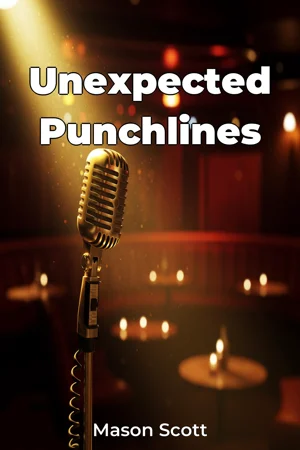
Why do we laugh when we least expect it? "Unexpected Punchlines" delves into the intricate mechanics of humor, exploring why jokes with surprise twists evoke such strong reactions. This book offers a detailed examination of the psychology behind unexpected humor and the techniques comedians employ to master misdirection and deliver perfectly timed punchlines. The core topics explore the interplay between cognitive expectations, surprise, and emotional response in the creation and appreciation of humor. Understanding these elements is critical to appreciating not only humor but also how the brain processes information and reacts to novelty. To fully grasp the dynamics of humor, we will explore its historical and social contexts. Comedic timing, for instance, has evolved from ancient theatrical traditions to modern stand-up routines, influenced by cultural values and social norms. Readers do not need specialized knowledge but will benefit from an open mind and a willingness to explore the unexpected. The central argument of "Unexpected Punchlines" is that the element of surprise is not merely an add-on in humor but rather a fundamental mechanism that triggers cognitive and emotional responses, leading to laughter. This argument is important because it challenges traditional notions of humor that focus solely on content or social context, highlighting the crucial role of cognitive disfluency and resolution. The book is structured to progressively build this understanding. First, it introduces the core concepts of expectation violation theory and incongruity resolution. Second, the book develops these ideas through chapters examining different comedic forms (from puns to observational humor), analyzing how comedians strategically use misdirection, timing, and audience expectations to create surprise. Finally, the book culminates in a synthesis of these elements, offering a framework for understanding humor across diverse cultural and situational contexts. The evidence presented in "Unexpected Punchlines" draws from a variety of sources: cognitive psychology research on surprise and attention, linguistic analysis of joke structures, and case studies of successful comedic performances. Original analysis of comedic routines, transcripts, and audience responses will be included to support the arguments. The exploration of humorous mechanics also connects it to fields like psychology (cognitive processing, emotional responses), linguistics (structure and meaning), and performing arts (delivery, timing, audience interaction). These interdisciplinary connections enrich the book's argument by providing a holistic view of humor as both a cognitive phenomenon and a performance art. "Unexpected Punchlines" stands out because it combines theoretical frameworks with practical examples, offering both insights into the workings of the mind and actionable techniques for appreciating and crafting humor. It moves beyond simple definitions of humor to explore the dynamic interplay of cognitive and emotional elements. The writing style is accessible yet rigorous, blending academic research with engaging anecdotes and real-world examples. The book is aimed at a broad audience, including students of psychology and performing arts, aspiring comedians, writers, and anyone curious about the science of humor. It is valuable to anyone interested in understanding how the mind works and how humor shapes human interaction. As a work of non-fiction in the fields of Psychology and Performing Arts, this book adheres to accepted standards of research, citation, and factual accuracy. While the book aims to provide a comprehensive overview of the field, it acknowledges the vastness of the topic and focuses primarily on the cognitive and performance-related aspects of unexpected humor, rather than delving into specific cultural or sociological analyses of different comedic traditions. The principles outlined in "Unexpected Punchlines" have many real-world applications. Marketers can use these insights to create memorable advertising campaigns, educators can engage students through unexpected examples, and anyone can use humor to build rapport and improve communication. While the book explores various theories of humor, it also acknowledges ongoing debates about the nature of comedy, the role of context, and the subjectivity of humor appreciation. By addressing these controversies, "Unexpected Punchlines" provides a balanced and nuanced perspective on this complex and fascinating subject.
Why do we laugh when we least expect it? "Unexpected Punchlines" delves into the intricate mechanics of humor, exploring why jokes with surprise twists evoke such strong reactions. This book offers a detailed examination of the psychology behind unexpected humor and the techniques comedians employ to master misdirection and deliver perfectly timed punchlines. The core topics explore the interplay between cognitive expectations, surprise, and emotional response in the creation and appreciation of humor. Understanding these elements is critical to appreciating not only humor but also how the brain processes information and reacts to novelty. To fully grasp the dynamics of humor, we will explore its historical and social contexts. Comedic timing, for instance, has evolved from ancient theatrical traditions to modern stand-up routines, influenced by cultural values and social norms. Readers do not need specialized knowledge but will benefit from an open mind and a willingness to explore the unexpected. The central argument of "Unexpected Punchlines" is that the element of surprise is not merely an add-on in humor but rather a fundamental mechanism that triggers cognitive and emotional responses, leading to laughter. This argument is important because it challenges traditional notions of humor that focus solely on content or social context, highlighting the crucial role of cognitive disfluency and resolution. The book is structured to progressively build this understanding. First, it introduces the core concepts of expectation violation theory and incongruity resolution. Second, the book develops these ideas through chapters examining different comedic forms (from puns to observational humor), analyzing how comedians strategically use misdirection, timing, and audience expectations to create surprise. Finally, the book culminates in a synthesis of these elements, offering a framework for understanding humor across diverse cultural and situational contexts. The evidence presented in "Unexpected Punchlines" draws from a variety of sources: cognitive psychology research on surprise and attention, linguistic analysis of joke structures, and case studies of successful comedic performances. Original analysis of comedic routines, transcripts, and audience responses will be included to support the arguments. The exploration of humorous mechanics also connects it to fields like psychology (cognitive processing, emotional responses), linguistics (structure and meaning), and performing arts (delivery, timing, audience interaction). These interdisciplinary connections enrich the book's argument by providing a holistic view of humor as both a cognitive phenomenon and a performance art. "Unexpected Punchlines" stands out because it combines theoretical frameworks with practical examples, offering both insights into the workings of the mind and actionable techniques for appreciating and crafting humor. It moves beyond simple definitions of humor to explore the dynamic interplay of cognitive and emotional elements. The writing style is accessible yet rigorous, blending academic research with engaging anecdotes and real-world examples. The book is aimed at a broad audience, including students of psychology and performing arts, aspiring comedians, writers, and anyone curious about the science of humor. It is valuable to anyone interested in understanding how the mind works and how humor shapes human interaction. As a work of non-fiction in the fields of Psychology and Performing Arts, this book adheres to accepted standards of research, citation, and factual accuracy. While the book aims to provide a comprehensive overview of the field, it acknowledges the vastness of the topic and focuses primarily on the cognitive and performance-related aspects of unexpected humor, rather than delving into specific cultural or sociological analyses of different comedic traditions. The principles outlined in "Unexpected Punchlines" have many real-world applications. Marketers can use these insights to create memorable advertising campaigns, educators can engage students through unexpected examples, and anyone can use humor to build rapport and improve communication. While the book explores various theories of humor, it also acknowledges ongoing debates about the nature of comedy, the role of context, and the subjectivity of humor appreciation. By addressing these controversies, "Unexpected Punchlines" provides a balanced and nuanced perspective on this complex and fascinating subject.
"Unexpected Punchlines" explores the fascinating psychology of humor, specifically focusing on why unexpected twists in jokes trigger laughter. The book examines how comedians master misdirection and timing to deliver impactful punchlines, delving into the cognitive processes behind expectation violation and incongruity resolution. Readers will gain insights into how surprise isn't just an add-on, but a key mechanism that sparks both cognitive and emotional responses. Did you know that comedic timing has roots in ancient theatrical traditions, evolving with cultural and social norms? The book progresses systematically, beginning with core concepts like expectation violation theory before examining different comedic forms, from puns to observational humor. It analyzes how comedians use misdirection and audience expectations to craft surprise. The culmination offers a comprehensive framework for understanding humor across diverse cultural contexts. By combining theoretical insights with real-world examples, "Unexpected Punchlines" provides both a deeper understanding of the mind and practical techniques for appreciating and creating humor.
Book Details
ISBN
9788235243508
Publisher
Publifye AS
Your Licenses
You don't own any licenses for this book
Purchase a license below to unlock this book and download the EPUB.
Purchase License
Select a tier to unlock this book
Need bulk licensing?
Contact us for enterprise agreements.